
U.S. Propane Market Enters Winter With High Inventories and Softer Prices
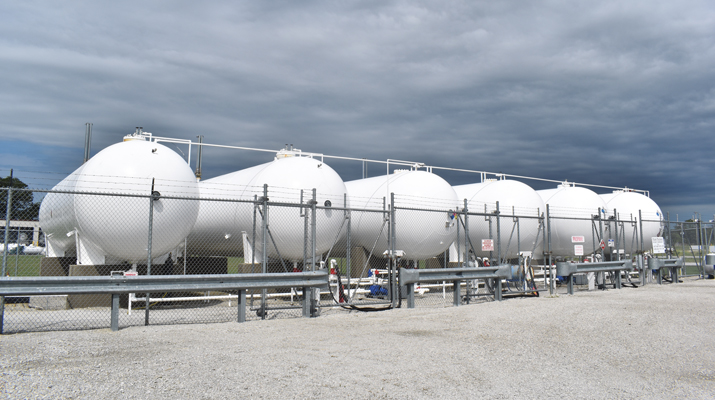
The U.S. propane market is heading into winter under conditions that stand out from previous heating seasons. Instead of early tightening and rising winter prices, national inventories remain elevated, giving retailers and distributors a different market environment than usual. As of early November 2025, U.S. propane and propylene stocks reached 106.094 million barrels, a level reported as the highest on record by S&P Global Commodity Insights. This unusually strong supply position is placing downward pressure on certain wholesale and spot prices.
Industry publications such as S&P Global and LP Gas have noted that current propane stocks sit well above the five-year average. Analysts also report that both spot and forward prices have reflected the broader oversupply, though actual pricing outcomes may vary by region, contract type, and weather conditions. While some price softness has appeared in wholesale markets, the long-term winter trend will depend primarily on temperatures, export demand, and regional consumption patterns.
What’s Driving the High Inventory Levels
Elevated inventory levels are tied to several confirmed factors. Strong production from natural gas processing and midstream operations has continued throughout the year, contributing to a steady supply. Meanwhile, early-season heating demand was lighter in some regions due to milder temperatures, allowing inventories to build. Export levels remain substantial, but recent data indicate that exports have not fully matched the pace of domestic production, resulting in more products staying within the U.S. storage system. Although these conditions contribute to high storage levels, the trajectory for the rest of winter remains dependent on weather-driven demand and global LPG market shifts.
Implications for Retailers and Delivery Companies
High inventories and softer wholesale prices can create opportunities for propane retailers, particularly when purchasing product or filling bulk storage. However, the impact on retail margins varies widely by region and company. Retail prices do not always move in direct alignment with wholesale trends, and many retailers operate with contracts, hedged positions, or long-term customer agreements that shape their pricing strategies.
Customer behavior is also driven mainly by weather, not just fuel pricing. While lower wholesale costs may offer flexibility, it is not yet clear whether residential or commercial customers will alter their fill schedules or consumption patterns based on current market conditions.
Delivery companies may see shifts in fill timing as customers prepare for winter, but the scale of those changes will depend on local temperatures, economic factors, and customer communication, rather than solely on price movements.
Operational Considerations for Winter
With inventories strong and market signals mixed, propane retailers and delivery companies may benefit from closely monitoring:
• Regional weather forecasts, which remain the primary driver of propane consumption
• Wholesale and rack price movements, which can differ by PADD region
• Customer ordering patterns, especially if colder weather quickly increases demand
• Export data, as changes in global demand could influence domestic supply later in the season
Staying informed through market updates from S&P Global, LP Gas Magazine, EIA, and regional suppliers can help companies plan purchasing, routing, and staffing more effectively.
What This Means for Propane Businesses
The current market environment, high inventories, steady production, and softer wholesale pricing give propane retailers a unique starting point for the heating season. While these conditions create potential advantages in purchasing and supply planning, long-term outcomes still depend on weather, exports, and regional demand.
Propane delivery companies that stay flexible, monitor market signals, and maintain strong communication with customers will be best positioned to navigate the winter season. This year’s market does not eliminate challenges, but it does create opportunities for companies that manage supply and delivery with careful planning and attention to real-time conditions.