The Importance of Safety Audits Before Peak Deliveries
As propane businesses prepare for the busy winter season, safety must remain at the center of every operation. During this time, demand increases sharply, drivers cover longer routes, and equipment runs more frequently. This surge in activity leaves little room for error. Conducting a comprehensive safety audit before peak season hits will do much to help ensure that every part of your business – from storage tanks to delivery trucks – has been readied for the busy months ahead. By identifying risks, protecting employees, and keeping all key systems in top condition, propane retailers can enter the winter season with confidence.
Identifying Risks Before Problems Arise
A thorough safety audit gives propane companies the chance to take a close, unbiased look at their equipment, procedures, and physical sites. The goal is to identify and fix small issues before they grow into costly or dangerous problems.
Inspectors typically review areas such as:
Tank and cylinder integrity – Checking for corrosion, leaks, or structural damage
Hoses, valves, and regulators – Ensuring all components are functioning correctly and within service life
Signage and labeling – Confirming that safety warnings, shut-off instructions, and emergency contact details are visible and compliant with current regulations
Bulk plant layouts – Making sure equipment spacing, fencing, and access controls meet NFPA 58 and DOT requirements
Finding and correcting these issues before the winter rush can do much to prevent operational disruptions, protect employees and customers, and reduce the risk of costly fines and/or liability. A single neglected regulator or missing label might seem minor; however, during peak season, those minor oversights can lead to major setbacks.
Protecting Employees on the Front Lines
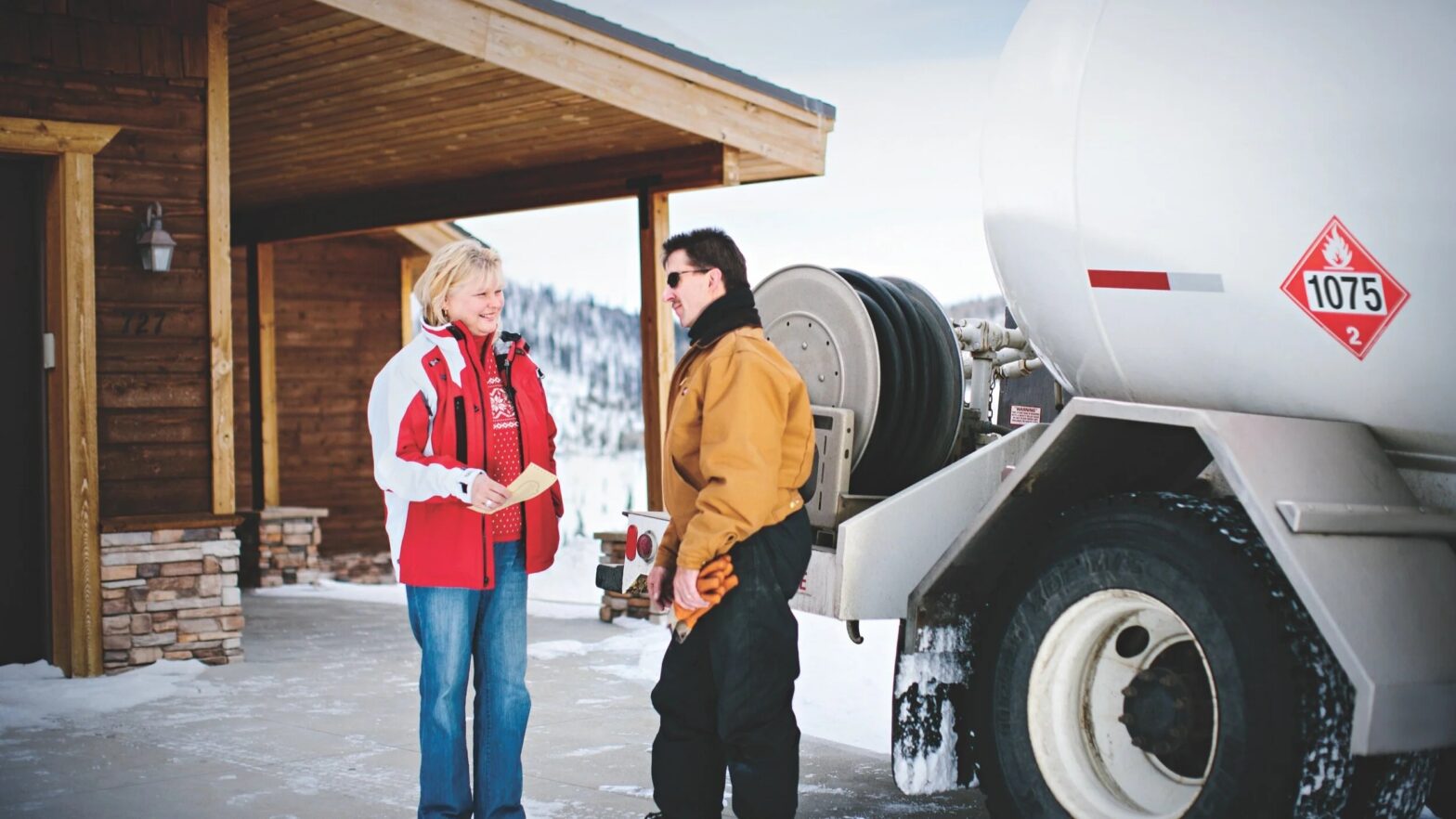
Delivery drivers, service technicians, and plant operators face some of the toughest conditions in the propane industry, especially during winter. They handle heavy equipment, navigate icy roads, and work long hours to meet customer needs. Safety audits play a vital role in making sure these employees have the tools and support they need to do their jobs safely and effectively.
Key areas of focus include:
Vehicle readiness – Verifying that bobtails and service trucks are inspected, maintained, and equipped with functioning lights, brakes, and safety gear
Personal protective equipment (PPE) – Ensuring that gloves, eyewear, and flame-resistant clothing are in good condition and readily available
Training and awareness – Confirming that all employees are up-to-date on safety procedures, from leak checks and emergency shutdowns to proper refueling protocols
By reinforcing these safeguards before the busy season commences, businesses will not only reduce accidents but will also boost morale. Employees who see that their safety is valued and prioritized will likely be more confident, productive, and loyal team members.
Building Customer Trust Through Compliance
Customers expect their propane provider to deliver more than just fuel; they expect safety, reliability, and professionalism to be provided as well. Conducting regular safety audits demonstrates that a business is serious about meeting these expectations.
When audits are documented and up-to-date, they serve as tangible proof of compliance with federal and state regulations, including DOT, OSHA, and NFPA standards. This documentation also becomes invaluable during regulatory inspections or insurance reviews, showing that the company maintains strong oversight and accountability.
Moreover, a visible commitment to safety builds customer confidence. Homeowners, farmers, and commercial clients are more likely to stay with a provider that demonstrates care and attention to detail, especially when it comes to protecting their property and family.
Supporting Smooth Operations in Winter
Winter is not the time for unplanned downtime. Unexpected breakdowns or safety incidents can quickly throw delivery schedules off track and cause costly delays. A pre-season audit minimizes those risks by ensuring that every part of the operation – from the storage terminal to the delivery truck – is performing as it should.
For example, audits can identify:
• Aging valves or gauges that could fail under cold pressure conditions
• Tanks or regulators needing calibration to maintain proper performance
• Gaps in emergency preparedness plans or outdated contact procedures
When equipment runs efficiently and safety systems are reliable, deliveries stay on schedule and customer satisfaction remains high. Operational consistency not only improves safety but also supports profitability – fewer service interruptions mean more gallons delivered and stronger customer retention.
A Smart Investment
Safety audits are much more than just a regulatory formality; they’re an investment in business stability. By addressing risks early, reinforcing employee safety, and strengthening operational readiness, propane retailers can avoid the financial and reputational costs of preventable accidents.
Many successful companies now treat safety audits as part of their yearly business cycle, scheduling them every fall as a standard preparation step for winter. Some even partner with third-party specialists to gain an outside perspective and ensure that no detail is overlooked.
Ultimately, a well-executed safety audit protects far more than one’s compliance record; it safeguards people, equipment, and the trust that keeps customers coming back year after year. When propane businesses make safety a foundation of their operations rather than an afterthought, they position themselves for steady seasons of reliable service, strong performance, and lasting growth.