The Hidden Cost of Saying “No Charge” Too Often
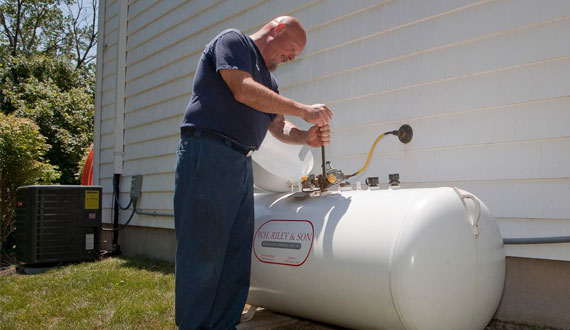
Many propane companies started with a handshake and a promise – a promise to help a neighbor, get the job done, and keep folks warm. But over time, what began as small, friendly favors – like tank swaps, minor repairs, or after-hours calls – can turn into routine, unpaid work that costs your company real time and money. As your business grows, giving away too much for free can quietly drain your profits and overwhelm your staff.
Shifting from free favors to paid services is about setting boundaries, showing the value of your work, and building a stronger, more sustainable business. The good news is, you can make the change without upsetting your long-time customers – if you do it with care and a clearly laid-out plan.
Start by Looking at What You’re Giving Away
Before you can make a change, you need to know exactly where your time and money are going. Look at your past few months of service calls. How often did your team make special trips without charging? Are you giving away regulator checks, tank moves, or other extras without billing for them? Even small things like these can add up fast. Once you know what you’ve been doing for free, you can figure out which services can stay that way as goodwill gestures and which ones should be priced fairly.
Explain the Value, Don’t Just Add a Fee
The key to making this shift work is helping your customers understand why the service has value. Don’t just slap a charge on the bill and hope no one notices. Instead, talk to your customers about the skill, time, and cost involved in each service. Let them know that these services are being formalized to keep your business strong and to ensure continued high-quality support. Use simple terms as you explain the change. You’re not charging to nickel-and-dime them – you’re charging because skilled service costs money to deliver and must be done safely and correctly.
Roll It Out Gradually and Clearly
If you’ve been doing something for free for years, changing overnight could cause frustration for your customers. Try introducing the new fees slowly. Let customers know about the change in advance through a notice, bill insert, or personal call. You might even offer a short-term grace period, where the first service is still free but future ones are billed. Another option is to build services into a package or service plan. That way, customers feel like they’re getting more than just a charge; they’re getting a structured offering with clear value.
Train Your Team to Communicate Clearly
When your techs or drivers are out in the field, customers will ask questions. Make sure your team understands the change and knows how to explain it. Give them clear wording they can use to show why the service now has a charge, and back them up when questions come in. Your team should never feel unsure or awkward about telling a customer what something costs. Confidence comes from clarity – and when your team is clear, your customers will trust them.
Track Customer Reactions
Any change can bring a mix of feedback. Pay close attention to how your customers respond. If you lose a few of them, it will likely be temporary. Most clients will understand, especially if you’ve delivered reliable service over time. If the pushback is too strong in one area, you can revisit how you’re pricing or explaining it. A good system of data review will help you see where this change is helping your bottom line, and where adjustments might be needed.
Shaping a Stronger, Smarter Business
Over time, charging for services you once gave away can help you grow in the right way. This shift will allow you to plan better, serve more customers without burnout, and build a business that supports your team and your future. When propane businesses start charging for the time and expertise they already provide, they gain more than revenue – they gain control. Making this shift with honesty and respect keeps relationships strong and helps your business stay healthy. As margins tighten and expectations rise, getting paid for the real work you do every day isn’t just fair – it’s smart business.