April 14, 2026
Surging Fuel Costs Pinch Delivery Firms; Crude Production Declines
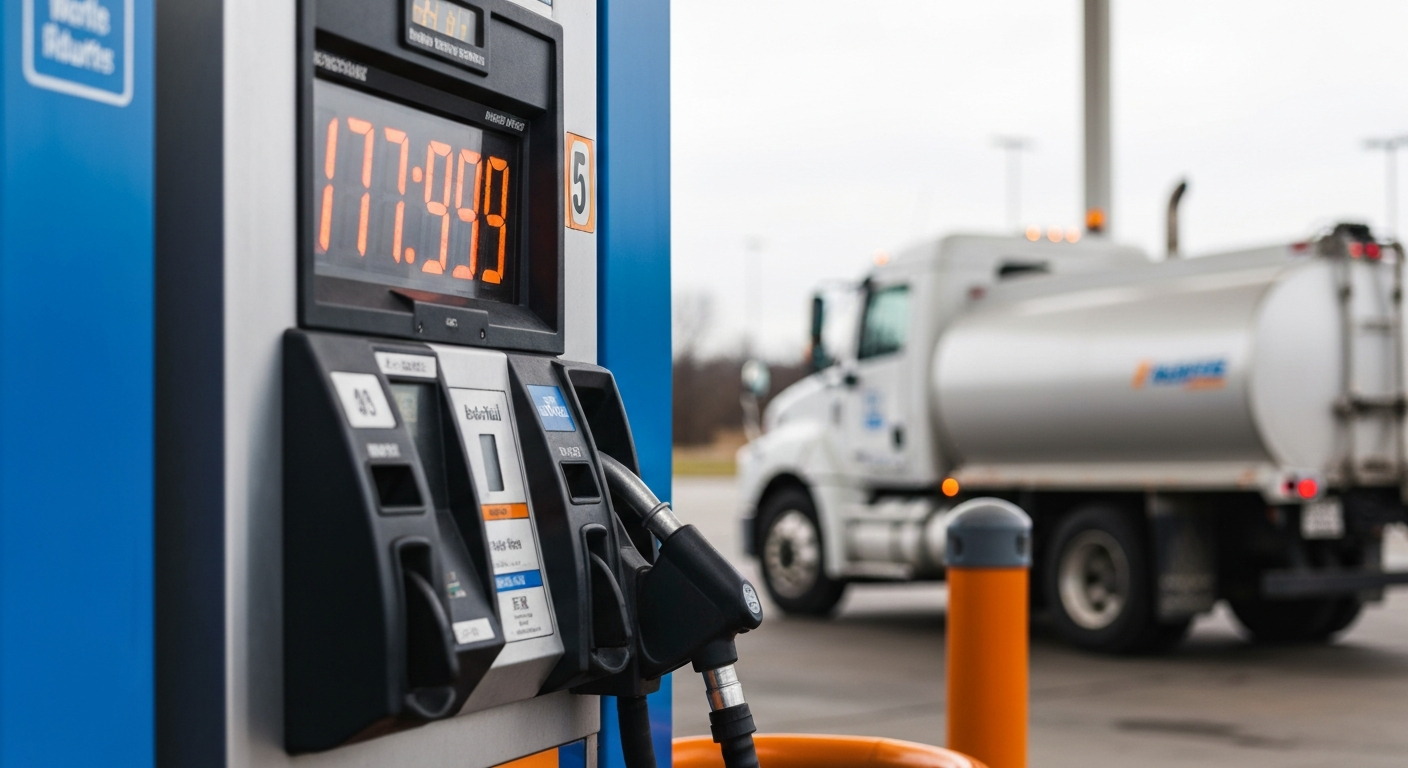
Fuel costs are surging nationally, prompting major delivery companies to adjust pricing, exacerbated by declining U.S. crude production. Propane companies face increased operational costs and pressure on profit margins, requiring strategic adjustments to maintain profitability and competitiveness.
The Situation
Major shipping giants like Amazon and UPS are adjusting pricing due to soaring fuel costs, a trend echoing throughout the entire logistics sector. This comes as U.S. crude production declines, pushing prices higher and creating a significant squeeze on profit margins for propane delivery companies already navigating volatile energy markets. The challenge intensifies as transportation costs directly impact competitiveness and operational viability.
The Facts
Newsweek reports major delivery and logistics companies, including Amazon, UPS, FedEx, and USPS, are implementing new fuel surcharges and adjusting prices in response to escalating fuel costs. This widespread impact on transportation costs is a direct consequence of broader energy market shifts.
Crude Production’s Ripple Effect
LP Gas Magazine highlights that U.S. domestic crude supply is running 1 to 1.5 million barrels per day (bpd) below refinery needs. This deficit contributes to higher crude prices, which inevitably trickle down to all refined fuels, including propane. The EIA also notes that ‘product supply shortages… can cause large spikes of short duration,’ further complicating pricing strategies and inventory management for propane suppliers. The dependence of propane production on natural gas processing and refinery activity means that even stable national inventories can mask regional price volatility driven by transportation costs.
Business Impact
For family-owned propane companies, rising fuel costs directly translate to higher operational expenses for every delivery. This pressure reduces already slim profit margins, especially in fixed-price contracts or competitive markets where price increases are difficult to pass on immediately. Without effective strategies to manage these fluctuations, companies risk diminished profitability or even operational losses. Implementing dynamic pricing models or fuel surcharge mechanisms, similar to those adopted by larger carriers, becomes crucial. Furthermore, exploring diversification into other fuel types, such as gasoline and diesel delivery via blinkfuel.com, can help offset propane market volatility and create new revenue streams.
Key Data Points
-
Amazon, UPS implementing fuel surcharges.
-
US crude supply 1-1.5 million bpd below refinery needs.
-
Propane production tied to natural gas processing and refineries.
-
EIA warns of short-duration price spikes from supply disruptions.
Key Takeaways
-
Rising fuel costs are a systemic issue affecting all logistics, including propane delivery.
-
Declining crude production exacerbates price volatility, impacting operational budgets.
-
Propane companies must strategically adapt pricing or implement fuel surcharges to protect margins.
-
Diversification into other fuel markets can mitigate reliance on single-product profitability.
Action Steps
-
Review current delivery pricing models and evaluate the feasibility of implementing fuel surcharges.
-
Optimize delivery routes to minimize fuel consumption and enhance efficiency.
-
Explore bulk fuel purchasing agreements to lock in more favorable rates.
-
Investigate opportunities for diversification into additional fuel delivery services.
Competitive Advantage
Companies that proactively monitor energy market trends and implement flexible pricing strategies, including transparent fuel surcharges, will maintain healthier profit margins. Additionally, diversifying service offerings, perhaps by adding on-demand gasoline and diesel delivery through blinkfuel.com, can protect against market volatility and open new revenue streams, providing a significant competitive edge.
Given the persistent volatility, what innovative pricing strategies are propane companies exploring to balance rising fuel costs with customer retention?