
Supertanker Shortage Deepens as Sinokor Expands VLCC Fleet
Freight Rate Pressure Adds New Uncertainty to Global Fuel Supply Chains
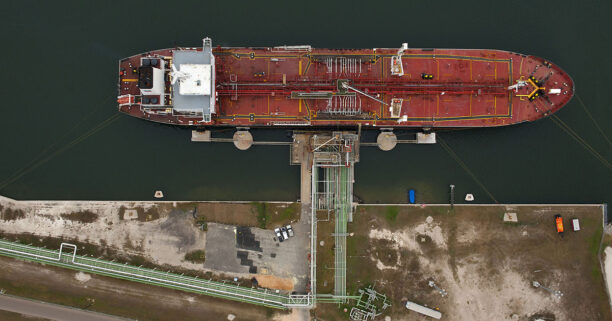
Global crude shipping markets are tightening as South Korean shipping company Sinokor Maritime rapidly expands its presence in the Very Large Crude Carrier (VLCC) market. The company has recently acquired a significant number of vessels, increasing its influence in the spot tanker market and contributing to growing concerns about vessel availability and rising freight costs. For propane marketers and fuel distributors, developments in the crude tanker market can have indirect but meaningful effects on supply chains, global energy pricing, and transportation costs.
Consolidation in the VLCC Market
Early 2026 has seen an unusually active period for tanker acquisitions. Following the end of its trading partnership with Trafigura, Sinokor moved aggressively into the tanker market, purchasing a large share of recently traded VLCC vessels. Industry reports indicate the company has acquired dozens of tankers in a short period, expanding its operating fleet significantly. As a result, Sinokor now controls a sizable portion of VLCC vessels active in the spot market, particularly those operating on major crude export routes. While the tanker market remains competitive overall, the concentration of vessels under a single operator has drawn attention across both the shipping and energy sectors.
Rising Freight Rates
One immediate consequence of tightening tanker availability has been rising freight costs. Charter rates for VLCC shipments from the U.S. Gulf Coast to Asia have climbed sharply in recent months, reaching levels not seen since the market disruptions of 2020.
Higher freight costs are being driven by multiple factors. Strong global oil demand, shifting trade flows, and longer shipping routes caused by geopolitical tensions have all increased demand for large crude carriers. Disruptions in key maritime corridors, including the Red Sea region, have also lengthened voyage times and reduced the number of vessels available for new shipments. These conditions have pushed tanker charter costs higher across several major export routes.
Implications for the Broader Fuel Market
Although propane is typically transported on specialized LPG carriers rather than crude tankers, volatility in global oil transportation markets can still influence fuel pricing dynamics. Crude oil freight costs are one of many inputs affecting the broader energy supply chain. When shipping costs rise significantly, the impact can flow through to refinery economics, refined fuel pricing, and global trade patterns for multiple petroleum products. For propane marketers, these shifts can influence wholesale market conditions, particularly during periods of strong global demand or supply disruption.
Supply Chain Uncertainty
Another concern is reduced flexibility in global shipping markets. When tanker availability tightens, supply chains become less responsive to sudden demand shifts or logistical disruptions. Energy markets rely heavily on maritime transport. When vessel supply becomes constrained or freight rates spike, it can take longer for cargoes to move between producing and consuming regions. For propane retailers and fuel distributors, this environment underscores the importance of supply diversification and careful monitoring of global energy markets.
Strategic Considerations for Propane Marketers
While most propane companies do not directly charter large tankers, the broader shipping market still affects energy pricing and supply stability. Periods of tight freight capacity often coincide with increased volatility in energy markets. Companies that maintain flexible supply arrangements, adequate storage levels, and strong supplier relationships are typically better positioned to manage these fluctuations. Monitoring freight markets, export trends, and global energy flows has become an increasingly important part of procurement planning.
A Market to Watch
The rapid expansion of Sinokor’s tanker fleet represents one of several developments reshaping global shipping markets. At the same time, geopolitical tensions, shifting energy trade flows, and growing global fuel demand continue to place pressure on vessel availability. For propane business owners and managers, these changes serve as a reminder that global transportation markets remain a critical component of energy supply stability. Even when the effects are indirect, shifts in maritime logistics can influence pricing, supply reliability, and the broader operating environment for fuel distribution businesses.