Stronger Operations Through Propane Depreciation Planning
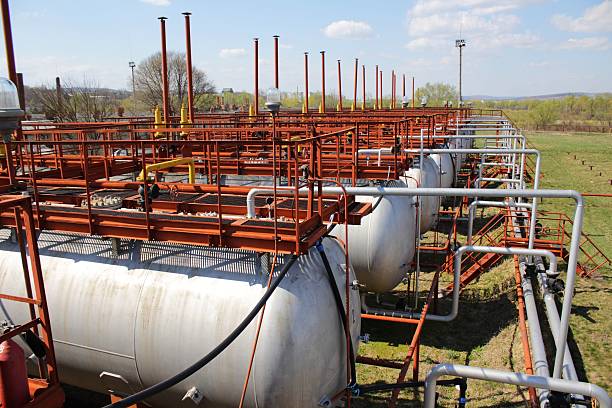
Propane tanks are some of the most important assets in your business. They keep your customers supplied, support your service routes, and play a major role in how smoothly your operation runs every day. Tanks also come with long life cycles, ongoing maintenance needs, and real financial value. That value changes over time, and if you track it well, you can strengthen your budgeting, pricing, and long-term planning.
This is where a strong propane depreciation plan becomes useful. When you map out how your tanks lose value over the years, you gain a clearer view of your actual costs and how your equipment is performing. Instead of guessing when a tank is nearing the end of its useful life, you have a clear timeline that helps you plan repairs, replacements, and investments with confidence.
A good depreciation schedule is more than a number on a balance sheet. Instead, it becomes an invaluable tool that shows you which assets work best for you, which ones need attention, and how to make smarter financial decisions for the future.
Realizing the Importance of Depreciation
Every propane tank slowly loses value as it ages. Weather exposure, routine use, and long-term wear and tear all contribute to this decline. Depreciation scheduling helps you track this process in a structured way so you always know the real worth of your tank inventory.
This matters because tanks are long-term assets. They stay in service for many years, and the price you paid for them shouldn’t hit your books all at once. A depreciation schedule spreads the cost out across each year of the tank’s life. This gives you a better picture of annual expenses and helps you avoid sudden financial surprises.
Choosing a Depreciation Scheduling Method
The most common way propane businesses track depreciation is through a straight-line schedule. This method divides the tank’s cost evenly across the number of years it’s expected to stay in service. The result is a simple, predictable way to calculate yearly value loss.
A clear schedule of this type also helps your accounting stay organized. When you know exactly how much value to record each year, your books remain accurate, and your financial reports reflect the real condition of your equipment. This also makes tax planning easier because depreciation affects how you calculate certain deductions.
Extending the Life of Your Tanks
A depreciation schedule becomes even more useful when you combine it with a solid maintenance plan. The better you take care of your tanks, the longer they can stay in service at a safe and reliable level. Regular inspections, repainting, valve checks, and protection against rust can slow the decline of your asset value and reduce early replacements.
When your maintenance team knows the age and condition of each tank, they can prioritize their work more effectively. This helps you avoid costly repairs and prevents unexpected breakdowns that disrupt customer service.
Tracking Your Tank Inventory More Effectively
Propane businesses that manage hundreds or thousands of tanks often struggle to keep records updated. A depreciation schedule forces you to track each tank’s purchase date, installation date, cost, and expected life. Over time, this becomes a valuable database for making better business decisions.
It also helps you identify which tanks are close to retirement. When you know what will need replacing in the next few years, you can plan your equipment purchases ahead of time. This reduces unnecessary financial stress and helps you negotiate better prices with suppliers.
Planning Future Investments with Confidence
A strong depreciation schedule shows you how your assets age, how much value you have in the field, and when you’ll need to prepare for equipment upgrades. This information helps you build long-term budgets for tank replacements, route expansions, customer growth, and new installations.
It also gives you a clearer view of your company’s financial strength. Banks, investors, and partners often look at asset records to understand how stable and valuable a business is. When your depreciation schedule is organized and accurate, it reflects strong management and careful planning.
Implementing This Business Essential
When you maintain a solid propane depreciation plan, you gain control over one of the biggest cost areas in your business. You know the real value of your tanks, how long they will serve you, and when you need to prepare for future expenses. This reduces surprises, protects your cash flow, and supports smarter choices in every part of your operation.
Clear depreciation also improves customer service. When your tanks are well-maintained and replaced on schedule, service interruptions become rare. That reliability strengthens your reputation and gives customers confidence in your company.
A thoughtful depreciation schedule may not seem exciting at first, but it plays a major role in long-term stability. With accurate records and strong planning, your propane business can stay strong, grow steadily, and remain prepared for whatever comes next.