Smart Fuel Moves Make Bobtail Fleets More Efficient
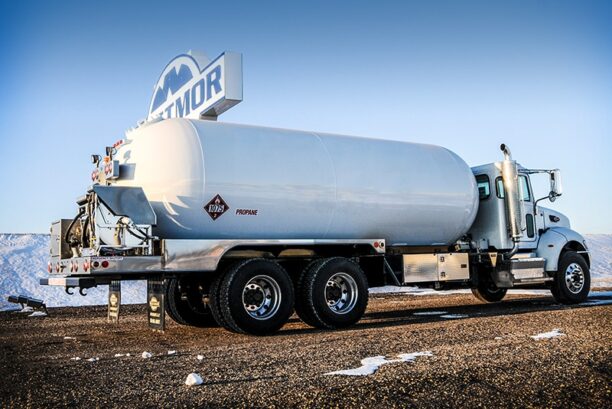
Fuel costs are one of the biggest expenses for delivery fleets, especially for bobtail trucks that deliver propane. As fuel prices and demand both rise, small savings add up. Simple habits and common sense upkeep can reduce fuel use more than most people realize. Idling management, proper tire pressure, smart routing, and good driver habits can cut costs while still keeping deliveries on time.
When you rely on bobtails to deliver propane to homes or businesses, efficiency matters, and every mile and every gallon counts. By focusing on fuel-saving habits and consistent fleet upkeep, propane delivery companies can go a long way in saving money, reducing wear on their vehicles, and running smoother routes.
Cut Fuel Waste by Reducing Idle Time
When a truck sits with the engine running but isn’t moving – also known as idling – quietly eats up fuel. Many fleets waste a surprising amount of fuel this way. By asking drivers to turn off the engine during breaks, deliveries, or waiting periods, you reduce unnecessary fuel burn.
Reducing idle time does more than just save on gasoline expenses. It also reduces engine wear and lowers maintenance costs over time. For propane delivery trucks that may stop frequently for gas refills or tank checks, cutting back on their idle time can lead to significant savings across a season.
Keep Tire Pressure in the Right Range
Tire pressure plays a simple but important role in fuel efficiency. Under-inflated tires increase rolling resistance, which forces the engine to work harder and burn more fuel. When tires are fully inflated, trucks roll more easily and consume less fuel.
Some studies estimate that keeping tires properly inflated and using tools like a tire-pressure monitoring system can improve fuel economy by up to 2–3 percent compared with under-inflated tires.
For propane delivery trucks that travel many miles over a season, even a small improvement in miles per gallon adds up. Less fuel used means lower costs, fewer refills, and better profit margins.
Plan Routes Carefully to Avoid Extra Miles
One of the biggest drains on fuel is unnecessary or inefficient driving, detours, dead-end trips, reroutes because of bad planning, or sitting in traffic jams. By mapping out delivery routes ahead of time and planning for multiple stops in an efficient order, fleets can do much to avoid extra mileage and save fuel.
Well-planned routes help your drivers hit the right drop-off points in a logical way, avoid backtracking, and reduce time spent idling in traffic. This has great implications for propane companies that deliver to numerous addresses, often scattered across rural or suburban areas. Cleaner routes save fuel, save time, and help drivers complete more deliveries in a day.
If your company is not already utilizing route optimization software to accomplish this goal, taking the time to implement that tool into your daily operations will likely be one of the best investments you can make this year.
Promote Good Driver Habits
Driver behavior can make or break fuel efficiency. Quick acceleration, aggressive braking, speeding, or careless driving all lead to higher fuel use. On the other hand, steady speeds, smooth starts and stops, and careful acceleration, often called “fuel-efficient driving”, all serve to noticeably reduce fuel consumption.
Training your drivers to adopt these habits greatly helps, and over time, the difference will add up across all routes. For bobtail trucks carrying propane, this also means safer driving, which reduces risk and liability for the company in addition to cutting down on fuel use.
Practice Regular Maintenance
Fuel efficiency isn’t just about tires and routes. Regular maintenance – including checking tire pressure, inspecting engine health, tuning the engine, and ensuring proper tire alignment – will keep your trucks running more efficiently. When maintenance is neglected, hidden issues like engine inefficiency or low tire pressure slowly eat away at fuel economy.
A well-maintained bobtail fleet performs more reliably, uses less fuel, and lasts longer. For propane businesses, that reliability supports consistent service – thereby reducing delays, breakdowns, and unexpected costs.
Small Changes = Big Savings
For propane retailers, every dollar spent on fuel or maintenance adds up, especially when deliveries are frequent and routes are long. Fuel-efficient practices reduce operating costs, improve route reliability, and increase profit margins without major investments.
By combining idling management, proper tire care, smart route planning, driver training, and regular maintenance, propane businesses can run more deliveries per gallon, reduce wear on trucks, and avoid fuel waste. Over time, this builds a more stable and scalable operation.
Additionally, fuel efficiency helps improve safety and reliability. Fewer stops for fuel or maintenance mean more predictable delivery times. That reliability strengthens customer trust and supports better customer retention, both foundational business components for all propane providers. Remembering that small changes can result in big savings is a steady and sure path to growth.