Safer Tanks Through Recycling Innovation
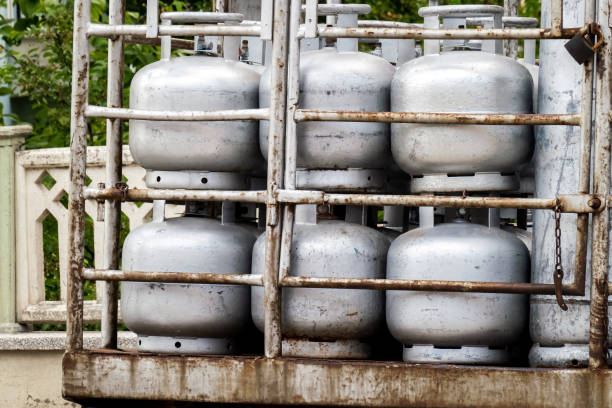
Propane tanks are built to last, but they don’t last forever. Over time, wear and corrosion make replacement necessary. This process raises an important question: what happens to all those old tanks once they’re taken out of service? As recycling and material recovery improve across various industries, the propane sector is exploring whether recycled metals and composites can safely be used to build or reinforce new tanks. It’s a complex process, but one that could reshape how propane companies think about equipment sourcing, safety, and sustainability.
Recycling isn’t a new concept, but applying it to propane tank materials requires extra care. These tanks hold pressurized gas, so any change in their material composition calls for careful testing. The results of recycled tank material tests could open new doors for cost savings, reduced waste, and long-term operational benefits for propane businesses – if safety and quality can be guaranteed.
Why Material Testing Matters
Every propane tank is a safety device first and a container second. The materials used in tank manufacturing must meet strict standards for pressure resistance, durability, and corrosion control. When recycled metals or composite blends are introduced, the key question is whether they can perform as reliably as traditional materials.
Material testing checks for strength, fatigue resistance, and response to temperature changes. Engineers measure how the recycled material handles high pressure and whether it resists rust, cracking, or deformation. This ensures that even if the materials come from previously used sources, the finished tank still meets or exceeds the same safety standards as one made entirely from new steel or aluminum.
Testing for Performance and Reliability
Propane tanks are exposed to constant outdoor weather conditions such as sunlight, rain, and vast temperature swings. Recycled materials need to prove that they can handle those environmental stresses. Laboratory tests simulate years of use in a matter of weeks by applying heat, vibration, and pressure cycles. These tests help identify weak points early on and confirm that recycled materials perform consistently over time.
Beyond durability, testing also focuses on weld quality and seal strength. Since tanks are often welded from multiple parts, any flaw in how recycled material fuses together could create leaks or structural failures. Testing every stage of production helps ensure that any recycled element is safely integrated into the tank’s structure.
Environmental and Economic Benefits
If recycled tank materials pass safety tests, propane businesses stand to gain in more ways than one. Using recycled metals can lower production costs by reducing dependence on new raw materials which are often subject to price swings. It also helps companies demonstrate responsible resource use – something that appeals to both customers and regulators.
From an environmental standpoint, reusing old tank materials reduces industrial waste and minimizes the energy needed to produce new tanks. Instead of sending decommissioned tanks to scrapyards, businesses can reclaim valuable components and turn them into new, certified tanks that continue to serve customers for years.
Challenges and Careful Considerations
Despite its promise, this approach requires strict oversight. Not all recycled materials are suitable for high-pressure storage. Impurities or inconsistent metal grades can create weak spots that aren’t visible until a tank is under load. That’s why industry standards and independent certifications are essential before recycled materials can be widely used.
Manufacturers and propane suppliers must also work closely to ensure proper recordkeeping and traceability. Every recycled tank or component should have full documentation of where the materials came from and what testing processes they passed. This transparency serves to protect businesses and customers alike.
Business Implications
For propane companies, advancements in recycled tank material testing could bring meaningful change. Reliable testing opens up a new supply option, reducing equipment costs and keeping operations more predictable when steel prices fluctuate. It could also help companies build stronger relationships with suppliers that prioritize innovation and environmental responsibility.
More importantly, this innovation strengthens the propane industry’s long-term resilience. By combining safety with sustainability, businesses can maintain public trust while improving efficiency and reducing waste. The future of propane storage may depend not just on how much gas a tank can hold, but on how responsibly it’s made and tested to keep people safe and operations steady.