Route Planning Becomes Critical During Holiday Traffic and Weather
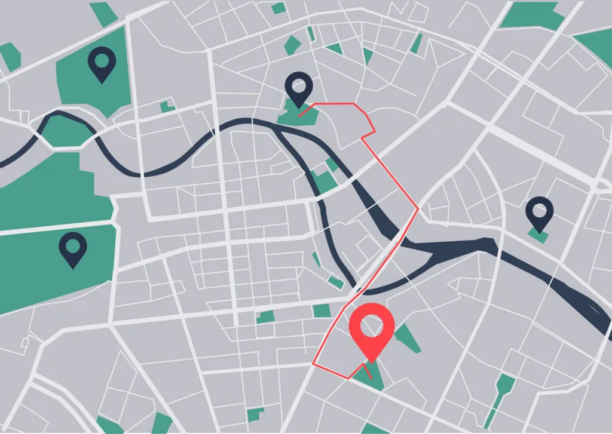
Holiday seasons bring a mix of heavier traffic, tighter schedules, and unpredictable weather. Roads that are normally manageable become crowded with travelers, delivery delays become more common, and winter weather conditions can change within hours. In the midst of these challenges, route planning is no longer just a routine task for propane delivery companies. Rather, it becomes one of the most important operational decisions they will make each day.
When traffic increases and the weather becomes threatening, every mile driven carries more risk and more cost. Missed turns, poor timing, or last-minute changes can lead to late deliveries, higher fuel use, and safety concerns. Careful route planning helps keep operations steady when multiple outside conditions are working against you. This proactive practice allows teams to move with purpose instead of simply reacting under pressure.
Holiday Travel Changes Traffic Flow
Holiday traffic patterns are very different from those experienced during normal weekdays and non-holiday seasons. From just before Thanksgiving all the way to the end of December, traffic volumes rise sharply as people take time off, travel to visit family, and shop for holiday needs. These spikes often lead to heavy congestion on major highways and local roads alike.
For delivery operations, this congestion serves to slow down routes that usually move smoothly. Without thoughtful planning, drivers may get stuck in traffic jams that throw off their entire schedule. Route planning that accounts for peak travel hours and known congestion areas helps reduce idle time and keeps deliveries moving even when roads are busy.
Winter Weather Adds a Layer of Risk
The weather during holiday seasons often brings snow, ice, sleet, or strong winds. These conditions increase stopping distance, reduce visibility, and make certain roads unsafe. The National Highway Traffic Safety Administration reports that adverse weather plays a role in over one-fifth of vehicle crashes, with winter weather conditions being a major factor.
Route planning becomes critical under these conditions because it allows dispatch teams to avoid known troublesome areas, steep roads, or regions prone to flooding or ice. Safer routes may not always be the shortest, but they do help to reduce the chance of accidents, breakdowns, and long delays. Choosing stability over speed becomes the smarter choice when the weather is unpredictable.
Time Pressure Grows During the Holidays
Holidays compress delivery windows. Offices close earlier, customers have tighter availability, and daylight hours are shorter. These constraints mean there is less room for error. A route that runs late can create a chain reaction of missed stops and rushed decisions.
Proactively planning routes with realistic time buffers helps absorb delays caused by traffic or weather. When routes are developed with flexibility in mind, drivers are less likely to feel the pressure to rush, which supports safer driving and better decision-making throughout the day.
Strong Planning Lowers Operating Costs
Stop-and-go traffic, detours, and idle time all increase fuel consumption. Road congestion and inefficient driving patterns can significantly raise fuel use and operating costs. Route planning helps control these costs by reducing unnecessary mileage and limiting time spent idling in traffic. During holiday periods, even small efficiency gains can add up to big savings across an entire fleet. Planning helps keep fuel use predictable when expenses are already under pressure.
Safety Increases with Predictable Routes
Unplanned detours and rushed route changes also increase risk. Drivers facing unfamiliar roads in poor weather are more likely to encounter hazards. Route planning reduces this risk by favoring familiar, well-maintained roads and by limiting last-minute decision-making.
Predictable routes also make it easier for teams to coordinate support if issues do arise. When everyone knows where the vehicles are expected to be, response times improve and confusion drops during emergencies or weather-related disruptions.
What This Means for Propane Businesses
For propane delivery businesses, holiday traffic and winter weather magnify the cost of weak planning. Route planning helps protect drivers, control fuel use, and keep deliveries reliable during the most challenging time period of the year. It reduces stress on operations and supports consistent service when customers depend on it most.
Strong planning also supports long-term performance. Fewer delays, reduced wear on vehicles, and safer driving habits help lower expenses beyond just the holiday season. When routes are planned with traffic and weather challenges in mind, operations stay steady even when conditions are not.
Holiday periods will always bring uncertainty, but smart route planning transforms that uncertainty into something manageable. This strategic move provides propane businesses with the structure needed to move safely, efficiently, and with confidence when the roads are busy and the weather is working against them.