
Released 2/25/2026
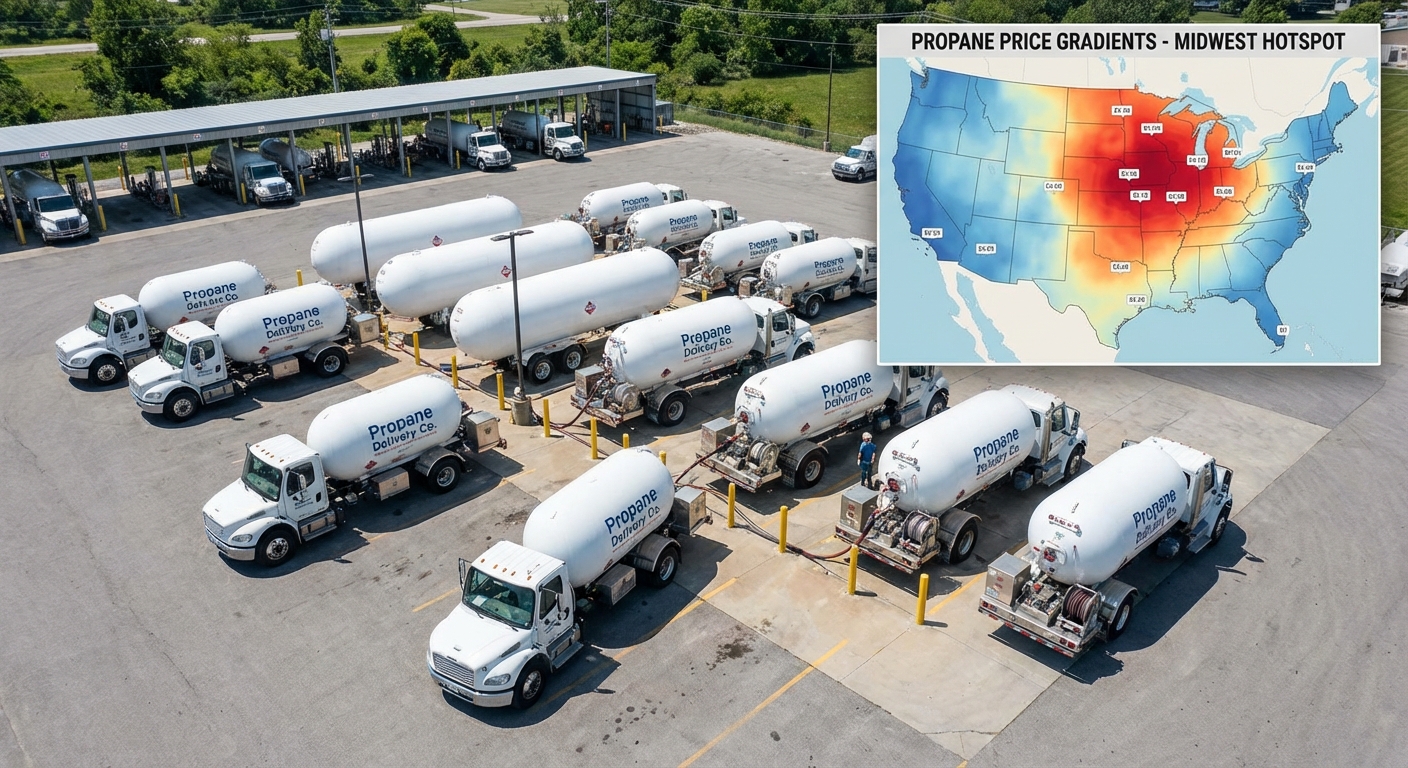
The U.S. Energy Information Administration released its latest Heating Oil and Propane Update on February 25, 2026, and the headline is clear: residential propane prices are climbing across most regions. The Midwest experienced the steepest jump, with average retail rates climbing to $3.12 per gallon—a 7 % increase from the previous month. The Southeast and Pacific Northwest saw more modest gains of 3 % and 2 %, while the Gulf Coast held steady at $2.84 per gallon. Wholesale spot prices mirrored the retail trend, edging up 5 % nationwide as tighter supply balances and heightened seasonal demand tighten the market.
Inventory Pressures Amplify the Upswing
Inventory data underscore the pricing pressure. Total on‑hand propane stocks fell to 2.1 billion gallons, a 9 % drop from the same time last year and the lowest level for this period since 2020. The Midwest’s stockpile contracted the most, now sitting at just 180 million gallons—well below the 250‑million‑gallon safety threshold analysts use to gauge market stability. Production remains robust at roughly 1.9 billion gallons per month, but the lag between refinery runs and distribution pipelines is stretching the supply chain.
Demand Side Forces Drive the Market
Demand is also on the rise. Residential heating demand is projected to increase by 4 % this winter as colder‑than‑average forecasts prompt early furnace turn‑on in the northern states. Commercial and agricultural users are adding to the pull, especially in regions where propane substitutes for diesel in farm equipment. The combination of shrinking inventories, steady production, and surging demand suggests that price volatility may persist through the spring heating season.
Strategic Moves for Distributors
For operators looking to stay ahead, leveraging real‑time market data and optimizing delivery routes are essential. Tools like Tankspotter.com can help distributors reduce deadhead miles, improve fill‑rates, and protect margins as the market tightens. By integrating dispatching, routing, and scheduling into a single platform, companies can respond faster to regional price swings and keep inventory levels in check.
What It Means for Your Propane Business
- Monitor regional price trends weekly to adjust retail rates before margins erode.
- Review inventory levels against the 250‑million‑gallon safety benchmark; consider strategic purchases in lower‑priced regions.
- Optimize delivery schedules and routes to minimize fuel costs and meet heightened seasonal demand.
- Communicate price changes proactively to commercial customers to maintain trust and reduce churn.
In short, the current environment calls for vigilant market watching, smarter logistics, and clear communication with customers. By staying informed and using technology to streamline operations, propane distributors can navigate the volatility and emerge with healthier margins.