PropaneInsider: Help arrives for Mississippi communities after Winter Storm Fern
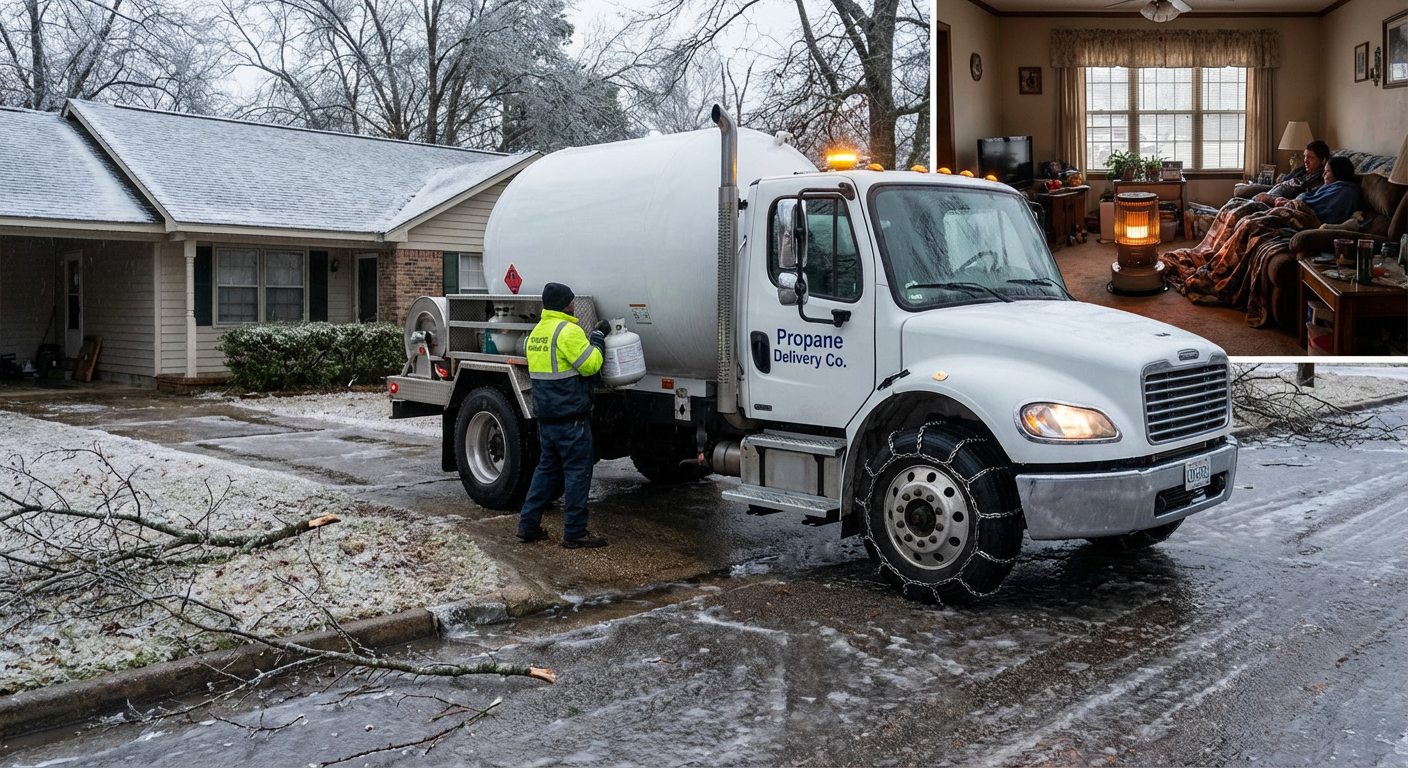
When Winter Storm Fern slammed the Gulf Coast last week, ice accretion turned streets into slick, treacherous ribbons and left thousands of homes without power. In the hardest‑hit counties of northern Mississippi, the loss of heat threatened vulnerable families, especially the elderly and those dependent on life‑supporting medical equipment. Propane distributors sprang into action within hours, mobilizing fleets of delivery trucks loaded with bulk cylinders and portable heaters to restore warmth and safety.
The coordinated effort was driven by regional suppliers and industry groups that had already laid out emergency response plans. Real‑time routing tools pinpointed the most isolated neighborhoods, allowing crews to prioritize deliveries to shelters, nursing homes, and households with known medical needs. While the bulk‑fuel trucks handled the critical supply chain, a parallel, often‑overlooked operation kept field technicians on the move to address leaks, equipment failures, and safety hazards that can arise when weather turns severe.
In this second line of defense, the Tankspotter platform proved indispensable. Rather than routing fuel trucks, Tankspotter enabled propane companies to instantly dispatch service technicians to emergency and safety‑related jobs. The system’s geo‑coding and photo‑capture features let crews document conditions on the spot—even in rain, when paper forms become unreadable—ensuring that supervisors receive verified, location‑accurate updates in real time. By shaving minutes off the assignment process, companies were able to send more technicians into the field, troubleshoot faulty regulators, repair damaged lines, and verify that installations met safety standards before winter’s worst could cause an incident.
Beyond the immediate relief, the operation highlighted several lessons for the industry. First, maintaining robust inventory buffers of cylinders and heaters allowed suppliers to meet a surge in demand without scrambling for stock. Second, integrating dispatch and routing technology for both delivery drivers and field service crews creates a unified picture of resource availability, preventing duplicate trips and reducing fuel consumption. Finally, the ability to document work with timestamped photos and GPS data provides a defensible record for regulators and insurers, a benefit that becomes especially valuable when storms trigger heightened safety inspections.
As climate‑related events become more frequent, propane’s role as a first‑responder partner will only grow. Companies that invest in comprehensive emergency protocols—covering everything from bulk‑fuel logistics to rapid technician dispatch—will protect lives, preserve reputations, and differentiate themselves in a competitive market. The Fern experience serves as a reminder that preparedness is not a single‑track effort; it requires seamless coordination between delivery operations and on‑the‑ground service teams, powered by technology that works rain or shine.
Looking ahead, propane professionals should review their own emergency plans, test their routing and dispatch tools, and ensure that field crews are equipped with reliable mobile devices for photo and location capture. By doing so, they position themselves to act swiftly when the next storm arrives, turning a potential crisis into an opportunity to demonstrate the industry’s resilience and commitment to community safety.