PropaneInsider: EDP acquires Hocon Gas
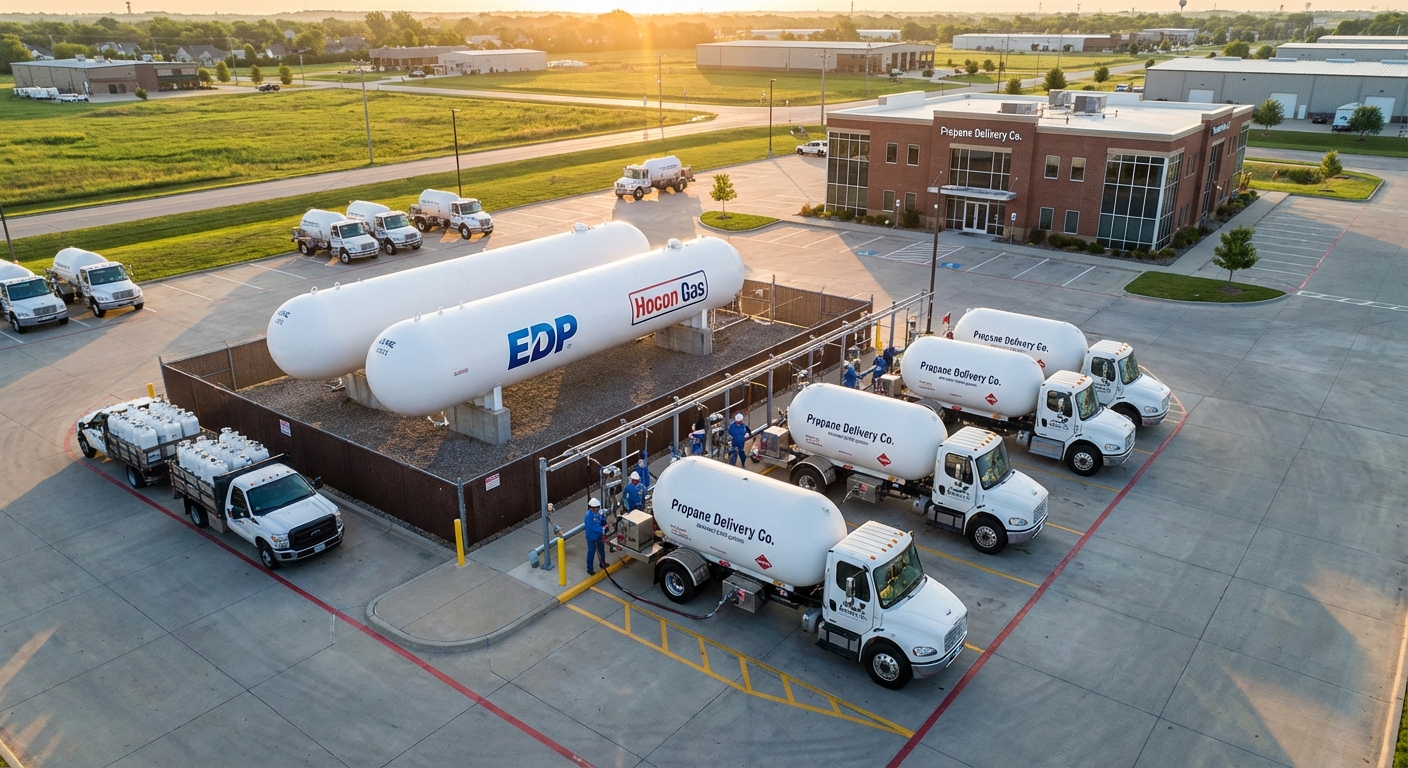
Energy Development Partners (EDP) finalized its acquisition of Hocon Gas on February 24, 2026, adding a Connecticut‑based propane distributor with more than 35,000 residential and commercial customers to its growing portfolio. The deal brings roughly 1,200 delivery trucks, multiple bulk‑storage terminals, and a well‑established service network into EDP’s existing Northeast operations, instantly expanding the company’s market share in a region where competition is fierce and margins are under pressure.
The transaction reflects a broader wave of consolidation sweeping the U.S. propane sector. Larger, vertically integrated firms are seeking scale to offset rising feedstock costs, tighter emissions regulations, and the growing demand for reliable, on‑demand heating solutions. By folding Hocon’s assets into its platform, EDP hopes to leverage economies of scale, increase purchasing power, and accelerate investment in technology‑driven service models that can differentiate it from regional rivals.
For propane distributors and independent operators, the merger presents both challenges and opportunities. On the one hand, the enlarged footprint intensifies competition for retail contracts, especially in suburban and rural markets where customers value local service. On the other hand, the expanded network creates a need for more sophisticated logistics, field coordination, and customer‑service workflows.
One practical way to address those needs is to adopt tools that streamline field operations without adding complexity. Tankspotter.com, for example, offers automated, paperless management of dispatch, routing, and scheduling for service technicians, safety representatives, and sales teams. By centralizing work orders and real‑time location data, the platform helps companies keep crews productive across multiple territories—an advantage that becomes critical when a delivery fleet grows from a few hundred to over a thousand vehicles.
Beyond logistics, the EDP‑Hocon deal underscores the importance of data‑driven decision making. Integrated analytics can pinpoint high‑margin routes, forecast seasonal demand spikes, and identify opportunities for cross‑selling ancillary services such as equipment maintenance or safety audits. Companies that invest early in unified software ecosystems are better positioned to turn raw operational data into actionable insights, thereby improving both top‑line revenue and bottom‑line efficiency.
Regulatory compliance is another area where scale can be a double‑edged sword. Larger entities must navigate a patchwork of state and federal rules governing emissions, leak detection, and safety training. Leveraging a compliance‑focused platform—whether for record‑keeping, audit preparation, or employee certification—can reduce the administrative burden and mitigate the risk of costly violations.
Looking ahead, the industry is likely to see further consolidation as operators seek to protect market share and invest in the technology needed to stay competitive. For independent distributors, the message is clear: embracing digital tools that automate field management, enhance safety oversight, and provide real‑time visibility into operations will be essential to thrive in a landscape dominated by larger, tech‑savvy players.
In the meantime, EDP’s expanded reach promises more reliable service for millions of customers across the Northeast, while also setting a benchmark for how strategic acquisitions can accelerate growth, improve operational efficiency, and pave the way for next‑generation propane solutions.