PropaneInsider: 2026 Top Propane Retailers: Highest gallon sales
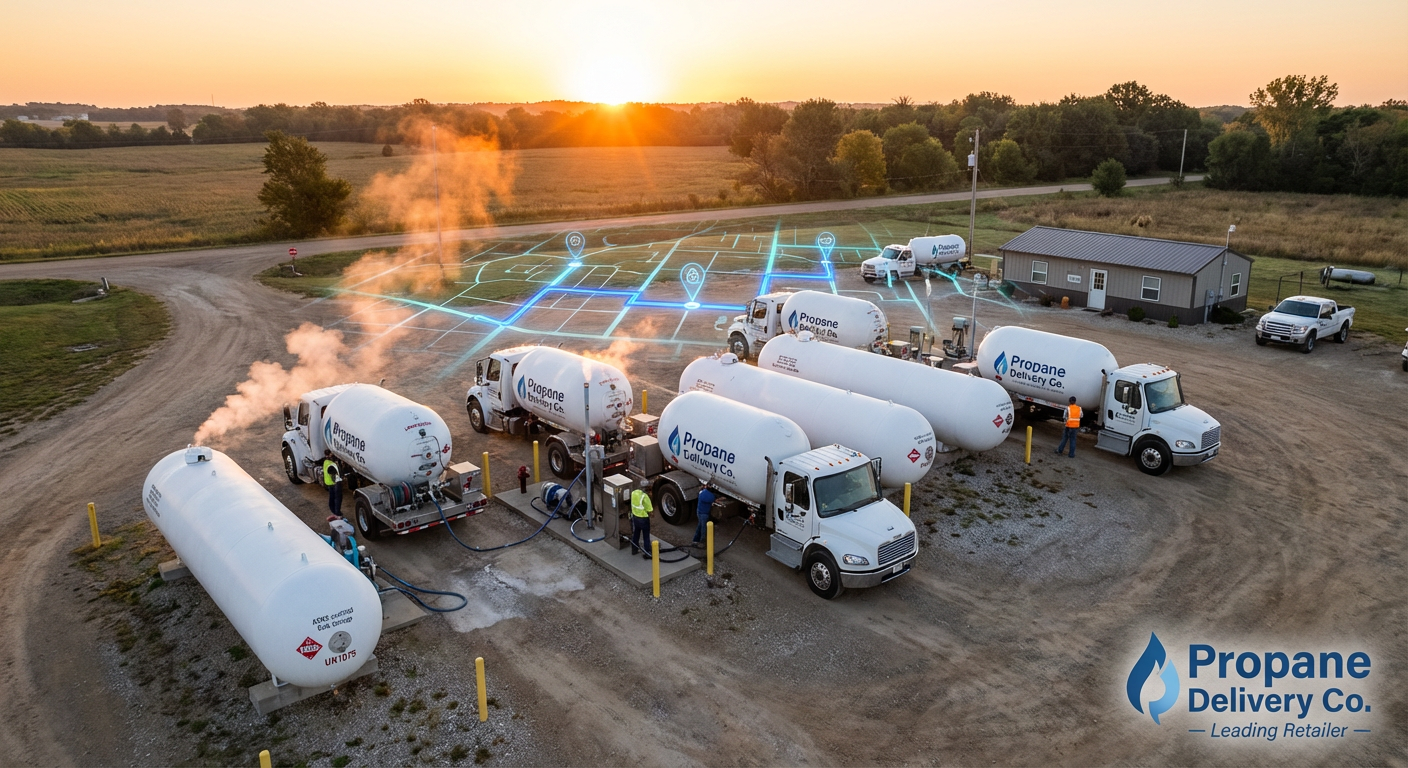
LP Gas released its annual ranking of U.S. retail propane companies, spotlighting the firms that moved the most gallons in 2026. At the summit sits AmeriGas, which logged an impressive 2.1 billion gallons sold, followed closely by Ferrellgas with 1.8 billion gallons and Suburban Propane at 1.6 billion. The list spans the nation, from regional powerhouses in the Midwest to fast‑growing independents in the Southwest, offering a clear benchmark of market share in a year still marked by volatile fuel prices.
The rankings come against a backdrop of tightening supply chains and a modest rebound in residential heating demand after the unusually mild winter of 2025‑26. Analysts credit the top three performers with aggressive pricing strategies, expanded delivery fleets, and a strong push into self‑service ordering platforms. Companies that invested in mobile ordering saw an average 7 percent lift in repeat sales, a trend that appears to be reshaping how retailers capture and retain customers.
For the broader industry, the data underscores a shift toward technology‑driven customer engagement. Retailers that have integrated tools like CustomFuelApp.com—which lets consumers place, track, and modify orders from a smartphone—are seeing higher order frequency and lower churn. As competition intensifies, the ability to offer a seamless digital experience may become as critical as price and delivery reliability.
Looking ahead, the 2026 list sets the stage for 2027, where analysts expect continued consolidation and a surge in demand from emerging markets such as electric‑vehicle charging stations that rely on propane‑generated electricity. Retailers that can balance volume growth with operational efficiency and modern customer interfaces will likely secure a spot among next year’s leaders.
What It Means for Your Propane Business
- Invest in a robust mobile ordering platform to boost repeat sales and improve customer satisfaction.
- Analyze the top‑performer metrics—price elasticity, delivery speed, and fleet utilization—to identify gaps in your own operations.
- Consider strategic partnerships or acquisitions that can expand geographic reach and increase gallon volume.
- Monitor emerging demand sources, such as backup power for data centers, to diversify revenue streams.