Propane Forklift Safety Protects People and Businesses Alike
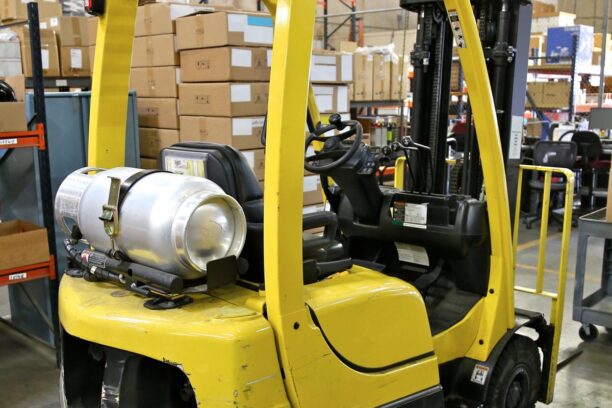
Forklifts are essential tools in many different industries, most often used in warehouses and construction sites. They keep materials moving, save time and effort, and help businesses operate more efficiently. However, forklifts also come with various risks, especially when powered by propane. While propane is a safe and reliable fuel, it must be handled correctly every time it is used. Propane safety cannot be something that is focused on only once in a while; it must be a given with each and every job where it is utilized.
Making propane forklift safety a key part of your daily routine will serve to protect your workers, equipment, and the business itself. When employees understand the right steps to take and repeat them consistently, accidents are less likely to happen and operations run more smoothly. Good safety habits are not only about following regulations but also about building a culture where everyone feels responsible for keeping the workplace safe. Let’s take a closer look at exactly what forklift safety involves.
Proper Training and Awareness
The first step to establishing strong forklift safety in the workplace is proper training. Every operator should know how to handle propane cylinders, how to refuel equipment, and how to identify the warning signs of a potential problem. Training should not be a one-time event, but should be an ongoing process that is required of all forklift operators, as regular safety refreshers will help employees stay sharp, skilled, and confident in their tasks. When expert knowledge of safety is provided and reinforced, it becomes second nature, and workers are more likely to do the right thing even under pressure.
Safe Cylinder Handling
Propane cylinders must always be handled with care. Forklift operators should make it a habit to check for leaks, damage, or loose connections before use. Cylinders need to be stored in an upright position and in well-ventilated areas away from any heat sources. During cylinder changes, employees should be taught to avoid sparks, open flames, or smoking nearby. These small, consistent actions will do much to prevent accidents and ensure that forklifts remain safe to operate.
Routine Inspections and Maintenance
Forklifts should be inspected daily before use. Checking tires, brakes, steering, and the propane system helps identify issues before they cause bigger problems. A routine checklist provided for your team will make inspections simple and will ensure that nothing important is overlooked. Regular maintenance also extends the life of your equipment and reduces downtime, saving your business both time-wasting hassles and money in the long run.
Creating a Safety-First Culture
Safety is most effective when it’s a value that is shared by everyone in your company, not just the managers or business owners. Encouraging open communication about safety concerns helps employees speak up when something doesn’t look right. Recognizing and rewarding good safety habits also motivates workers to keep following proper procedures and to keep their eyes open for any concerns in that arena. Over time, these efforts create a culture where safety is not an afterthought but just an expected part of how the team operates every day.
A Business Essential
For propane businesses, promoting strong forklift safety is more than just achieving compliance; it’s about protecting everything you have worked so hard to build – your business, your reputation, and your team. Customers expect propane to be handled responsibly, and employees expect to work in a safe environment. By making propane forklift safety a business essential, you will do much to safeguard your workforce, minimize costly and dangerous accidents, and strengthen your credibility. A strong safety culture will set your company apart in this competitive industry, demonstrating that you care about both people and performance.