Propane Companies Face a Driver Crunch: Here’s How Family Businesses Are Fighting Back
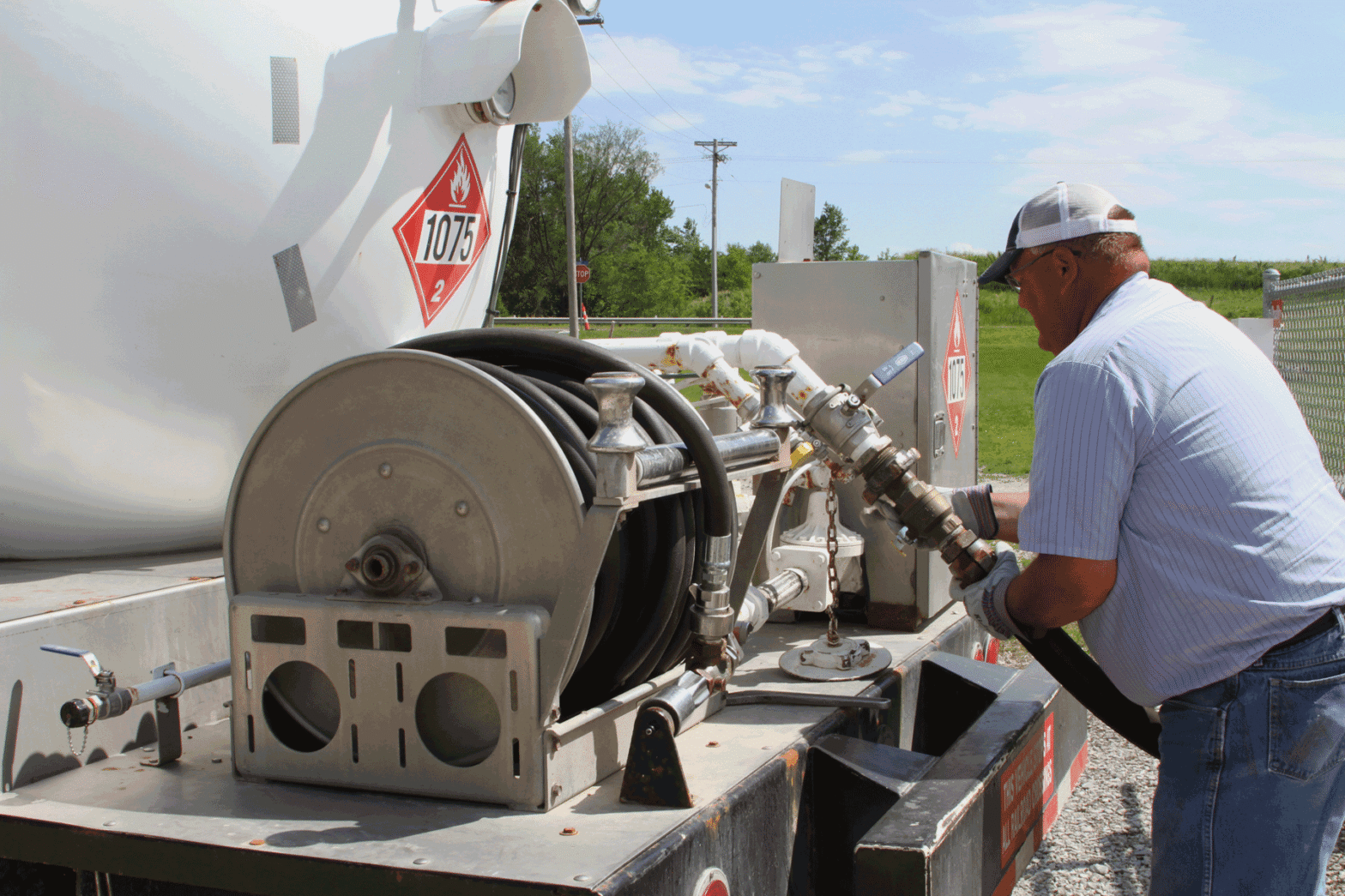
Across the country, propane trucks are a familiar sight on the road – fueling homes, farms, and businesses – especially during the coldest months of the year. But behind the wheel, there’s a growing problem: not enough drivers.
The nationwide truck driver shortage continues to strain the transportation sector, and the propane industry is feeling the pressure. For small, family-owned propane retailers, the challenge is especially urgent. When a driver leaves, the impact is immediate – overtime costs rise, deliveries can be delayed, and customers may start looking elsewhere.
Industry projections suggest the broader trucking shortfall could surpass 160,000 drivers by 2030 if this trend continues. In propane, the hiring pool is even smaller. Drivers must hold a Commercial Driver’s License (CDL) along with hazardous materials (HAZMAT) and tanker endorsements – certifications that take time, training, and commitment to earn.
At the same time, smaller propane retailers are competing against national carriers that often offer large signing bonuses, expansive benefits packages, and newer fleets. Add in the seasonal spike in demand during winter, and the strain on drivers intensifies.
So, how can local, family-run propane businesses stay competitive with these corporate giants? Industry leaders say the answer isn’t just higher pay – it’s smarter retention.
Technology That Saves Time and Reduces Stress
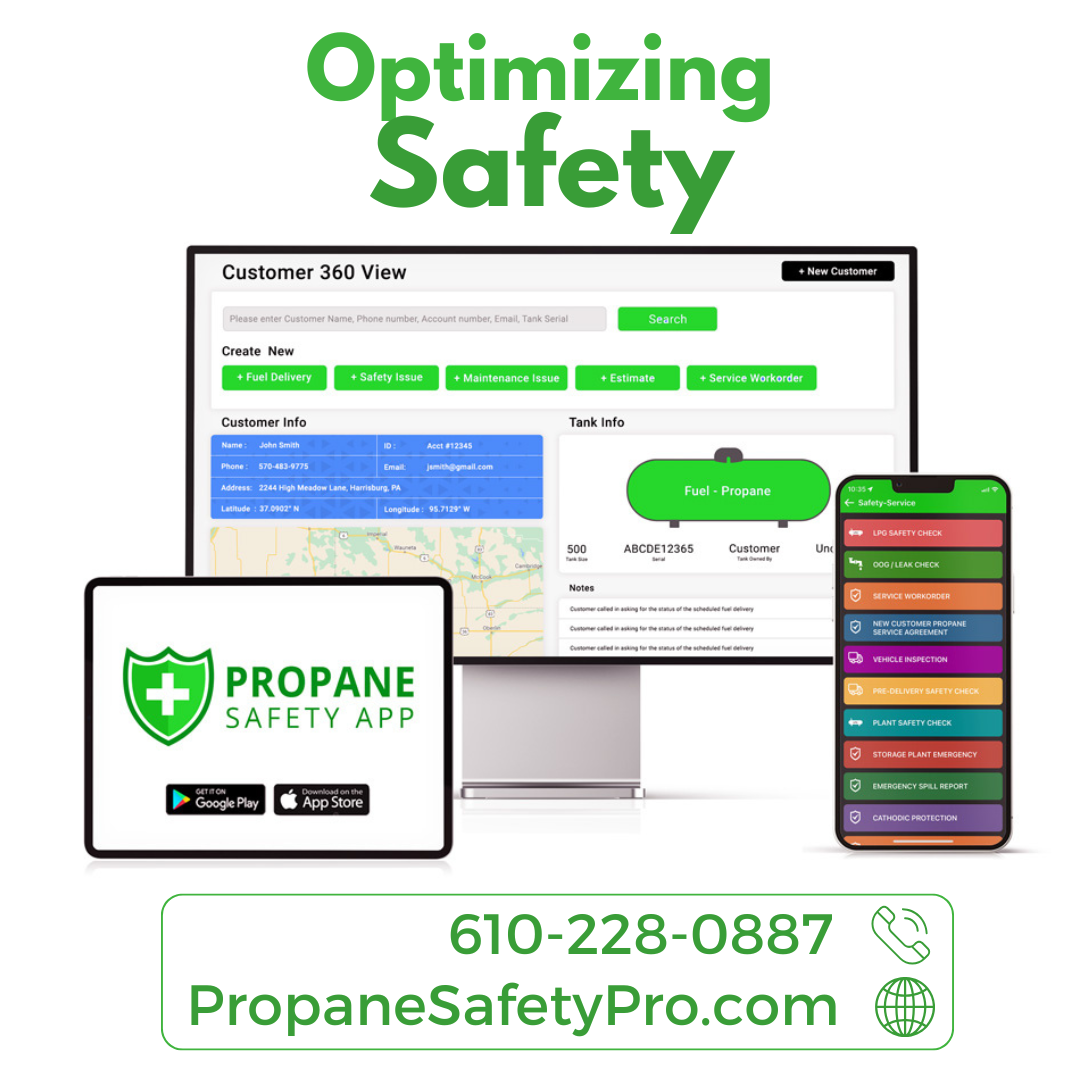
One emerging solution is investing in tools that make drivers’ jobs faster and easier. Digital platforms like Tank Spotter are helping companies move away from paper logs and manual processes. By using a mobile app to complete required gas checks and leak inspections, drivers can create digital documentation instantly.
The result: stronger compliance records, reduced risk of costly violations, and significant time savings. Some retailers report saving drivers more than an hour per day by eliminating paperwork. That extra time can mean shorter workdays, less stress and improved work-life balance. For drivers who already manage tight winter schedules, that efficiency can make a meaningful difference.
Five Retention Strategies That Work
Beyond technology, experts point to five practical strategies that can help smaller, family-owned propane businesses keep their drivers on the road.
1. Offer Competitive, Well-Rounded Compensation
Matching the biggest carriers dollar for dollar may not always be possible. But competitive wages remain essential. Many successful retailers are enhancing base pay with performance bonuses for safe driving, strong health coverage, retirement matching, and paid time off. Retention bonuses and safety incentives can also reinforce loyalty.
2. Protect Work-Life Balance
Long hours and unpredictable schedules are the leading reasons drivers leave the profession. Propane retailers have one advantage: most routes are local. Emphasizing predictable home time and flexible scheduling – when possible – can do much to reduce burnout and improve job satisfaction. Supporting personal commitments and family time goes a long way in achieving this goal.
3. Build a Strong Safety Culture
Drivers want to know they’re protected on the job. Investing in well-maintained equipment, fuel-efficient vehicles, and preventive maintenance reduces breakdowns and frustration. Regular safety meetings, clear protocols, and rewards for safe driving help create a culture where drivers feel valued, not monitored.
Digital inspection tools also serve to strengthen safety compliance and reduce liability, offering greater peace of mind for both propane drivers and business owners.
4. Keep Communication Lines Open
Turnover often begins when employees feel unheard. Retailers that hold regular feedback sessions, maintain open-door policies, and actively seek driver input tend to see stronger staff retention. When drivers are treated as partners in the business – not just operators behind the wheel – trust grows.
5. Provide Growth and Recognition
Ongoing training signals long-term investment. Beyond the required certifications, offering advanced driving programs or leadership pathways can motivate drivers to stay. Recognition matters, too. Programs such as “Driver of the Month,” milestone celebrations, or public acknowledgment of consistently safe performance can have a lasting impact.
The Road Ahead
The propane driver shortage is unlikely to disappear soon. Retirements continue, fewer younger workers are entering the field, and demand for energy delivery remains strong. For family-owned propane businesses, competing on salary alone isn’t realistic. But by focusing on the full driver experience – smart technology, fair compensation, flexibility, safety, and open communication – smaller companies can develop strong staff loyalty that money alone can’t buy.
In an industry where reliability is everything, keeping skilled drivers behind the wheel may be the most important investment propane businesses make this year. Implementing these proactive measures will go a long way in assisting those retailers in doing exactly that – being fully staffed for the road ahead.