
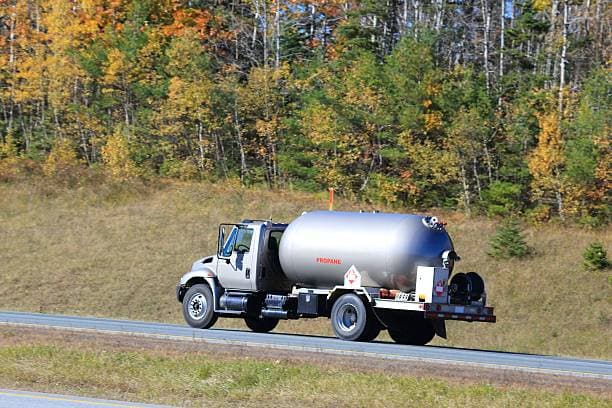
Roadside failures rarely announce themselves as sudden events. In propane fleets, they are usually the end result of predictable wear, deferred inspections, or inspections that focus on paperwork rather than failure patterns. Every breakdown carries a cost beyond the tow bill: missed deliveries, driver hours lost, customer dissatisfaction, and heightened liability exposure if safety systems are involved. Insurance carriers and regulators increasingly view roadside incidents as indicators of fleet discipline, not bad luck. For operators already stretched on staffing and margins, the issue is not inspecting more, it is inspecting smarter, with attention on the components that actually strand bobtails and service trucks.
Where Breakdowns Really Come From
Fleet data, roadside service records, and insurer loss summaries point to a consistent set of failure points. Tires, braking components, wheel-end hardware, batteries, charging systems, and cooling components account for the majority of roadside immobilizations. These are not exotic failures; they are components exposed to heat, vibration, corrosion, and seasonal stress. Notably absent from most roadside events are the items that dominate many inspection checklists, such as cosmetic defects or low-risk accessories. When inspections focus on visible but low-failure items, they create a false sense of readiness while the real risks continue aging unnoticed.
Inspection Gaps That Create Risk
Many propane operations still rely on inspection routines designed for compliance optics rather than failure prevention. Drivers are often asked to verify dozens of items quickly, leading to box-checking behavior instead of judgment-based assessment. In-shop inspections may be scheduled by calendar rather than usage, ignoring mileage, idle time, or delivery intensity during peak seasons. The result is predictable: components fail between inspections, and post-incident reviews reveal that warning signs were present but not prioritized. This gap becomes especially costly when failures involve brakes or wheel ends, where preventability directly affects liability exposure.
The Business Impact Beyond the Breakdown
A single roadside failure can cascade through dispatch, forcing route reshuffles and overtime while eroding customer confidence during high-demand periods. Insurers track these events closely, and repeated “mechanical disablement” claims can influence premiums, deductibles, or coverage terms. From a safety standpoint, roadside stops increase driver exposure to traffic hazards and elevate the risk profile of the operation. Over time, a pattern of preventable failures signals weak maintenance controls, which regulators and underwriters interpret as management risk rather than mechanical chance.
What Operators Should Do Differently
First, align inspection focus with historical failure data from your own fleet and roadside service providers. If batteries and wheel ends dominate incidents, inspection time should follow that reality. Second, separate compliance checks from failure-prevention checks. Both matter, but they serve different purposes and should not compete for the same limited minutes. Third, tie inspection intervals to usage intensity, not just dates. Peak winter mileage and stop frequency accelerate wear far beyond calendar assumptions. Finally, close the loop by reviewing every roadside event in the shop, identifying the missed indicator, and updating inspection priorities accordingly.
What This Means for Fleet Resilience
Preventable roadside failures are not a maintenance mystery; they are a prioritization problem. Fleets that reduce breakdowns do not inspect more items, they inspect the right ones, at the right time, with accountability tied to real outcomes. Over time, this approach lowers unplanned downtime, stabilizes insurance relationships, and improves driver confidence in equipment. For propane businesses operating under tight margins and increasing scrutiny, disciplined, failure-focused inspection routines are no longer optional. They are a core operational control that protects one’s revenue, safety, and reputation simultaneously.