Pipeline Disruptions and the Operational Ripple Effect
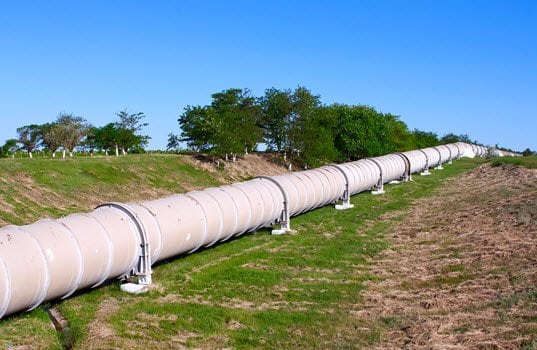
Pipeline disruptions rarely announce themselves on a convenient schedule. Whether caused by mechanical failure, weather events, third-party damage, or regulatory shutdowns, even short interruptions can ripple quickly through propane supply chains. For propane businesses, the impact is not theoretical. It shows up in allocation limits, rack delays, unexpected transport premiums, and challenging, uncomfortable customer conversations. Financial exposure can follow just as quickly, especially if contingency plans rely too heavily on a single supply path. Operational discipline during these moments often determines whether the disruption becomes a manageable inconvenience or a season-defining problem.
Allocation Decisions Under Real Constraints
When pipelines tighten or pause, allocation is usually the first lever pulled upstream. What matters operationally is how quickly those limits reach your dispatch board. Operators who wait for formal notices often lose flexibility. Early signals from suppliers, rack behavior, and price basis movement should trigger internal allocation modeling before restrictions are official. Companies that prioritize essential accounts and contract obligations tend to preserve margins better than those that react day by day. Regional supply stress is less about national inventory and more about localized transport constraints, which makes proactive allocation planning essential.
Customer Communication Is an Operational Tool
During disruptions, customer communication is often treated as a marketing problem. In reality, it is an operational control. Clear, early messaging reduces panic orders, repeat calls, and unsafe behavior such as customers attempting unauthorized tank adjustments. Experienced operators know that silence creates work. Structured communication scripts for dispatch and account managers help align expectations without over-promising. The goal is not reassurance at all costs, but credibility. Companies that explain what is changing, why it matters, and what customers should expect tend to see fewer emergency requests and less route volatility.
Supplier and Transport Contingencies Exposed
Pipeline disruptions quickly expose weak supplier diversification. Operators dependent on a single primary supplier or terminal often face the highest spot pricing and longest delays. Secondary suppliers, rail options, and even short-term transport swaps become critical, but only if relationships already exist. Staffing pressure also increases as drivers face longer hauls and extended hours, raising safety and compliance risk. Insurance carriers pay close attention to these periods, particularly if hours-of-service limits or fatigue management practices slip under pressure.
Immediate Action Steps for Operators
First, review supplier concentration and identify at least one alternate supply path per service area, even if it carries higher baseline costs. Second, pre-build allocation tiers are tied to customer class and contractual obligations, so dispatch is not improvising under stress. Third, formalize customer communication protocols that trigger automatically when supply conditions change. Fourth, audit driver scheduling and safety oversight during disruptions to ensure compliance and limit post-incident liability.
Resilience Is a Business Asset
Pipeline disruptions are not anomalies; they are recurring stress tests. Companies that treat each event as an isolated occurrence tend to repeat the same mistakes, while those that adjust allocation logic, communication discipline, and supplier strategy build lasting resilience. Over time, these practices protect margins, reduce operational chaos, and strengthen credibility with both customers and regulators. The businesses that emerge as the strongest are rarely the largest. Rather, they are the ones who plan for and recognize disruption as a normal operating condition, not a rare emergency.