Peak Season, Thin Staff: How to Triage Without Breaking Ops

When peak heating demand hits, the propane business becomes a logistics and compliance machine under stress. Gallons move fast, phones ring nonstop, drivers max out hours-of-service limits, and customers expect zero disruption. In that environment, an understaffed office is not just inconvenient, it is operationally dangerous. Billing errors cascade into cash flow problems. Missed dispatch updates turn into runouts. Incomplete documentation creates compliance and insurance exposure. During winter demand spikes, when U.S. propane consumption can exceed 1.5 million barrels per day, as reflected in EIA seasonal data, administrative strain becomes a material risk factor. The answer is not to simply “work harder.” It is a disciplined task triage that protects core operations.
Protecting Revenue and Gallon Flow First
When office staffing drops below normal levels, managers must identify which administrative functions directly protect gallon flow and revenue capture. These remain non-negotiable:
• Dispatch coordination and routing updates
• Will-call intake and emergency service handling
• Credit approvals for critical deliveries
• Ticket entry tied to same-day deliveries
If these functions slow down, the field operation stalls. A driver without updated routing or tank monitor alerts cannot recover from weather-related demand swings. A delay in entering delivery tickets pushes invoicing back days or weeks, creating a cash flow gap precisely when wholesale replacement costs may be volatile.
Everything else on the job board – routine filing, marketing mailers, and non-urgent account updates – can be temporarily deferred without immediate financial harm. The discipline lies in clearly separating the tasks labeled “supports flow” from those labeled “would be nice to complete.”
Compliance Does Not Pause for Staffing Gaps
Peak season is when documentation errors are most likely to occur and also the most expensive. DOT driver qualification files, training records aligned with NFPA 58 handling standards, leak check documentation, and incident logs all must remain current.
Understaffed offices often make one of two mistakes: either they ignore paperwork entirely, or they attempt to maintain 100 percent documentation at the cost of dispatch speed. Both approaches fail. The smarter path is to narrow one’s compliance focus to high-liability exposure such as:
• Driver qualification and HOS records
• Incident reporting and leak documentation
• Training currency for hazmat and safety procedures
Regulators and insurers will not consider being short-staffed as a reasonable defense. In recent enforcement trends across multiple states, agencies have shown little tolerance for incomplete hazardous material documentation during winter transport surges. Administrative triage must account for that reality.
Dispatch, Communication, and the Runout Risk
The highest financial risk during peak season is the preventable runout. An understaffed office is more likely to misprioritize deliveries, overlook tank monitor alerts, or delay callbacks. Runouts do more than frustrate customers. They create potential freeze damage claims, emergency service costs, and in severe cases, property loss exposure. Insurance carriers increasingly scrutinize internal processes following freeze claims, especially when documentation shows missed alerts or delayed dispatch action.
When office capacity shrinks, delivery scheduling must simplify. Automatic delivery accounts should receive algorithm-based priority. Will-call customers may need clearer cutoffs and documented communication about expected lead times. This is not a customer service downgrade; it is risk containment.
Action Plan: Ways to Stabilize Operations
• Create a 72-Hour Priority Matrix
List every office task and assign it to one of three categories: “Revenue Critical,” “Compliance Critical,” or “Deferrable.” Anything not tied to immediate gallon movement or legal exposure moves to the bottom of the list for the next 72 hours.
• Consolidate Decision Authority
During staffing gaps, layered approval slows everything. Assign one operational lead with authority to approve emergency deliveries, credit overrides for critical accounts, and routing adjustments. Reduce internal back-and-forth.
• Shift Field-Ready Tasks to the Field
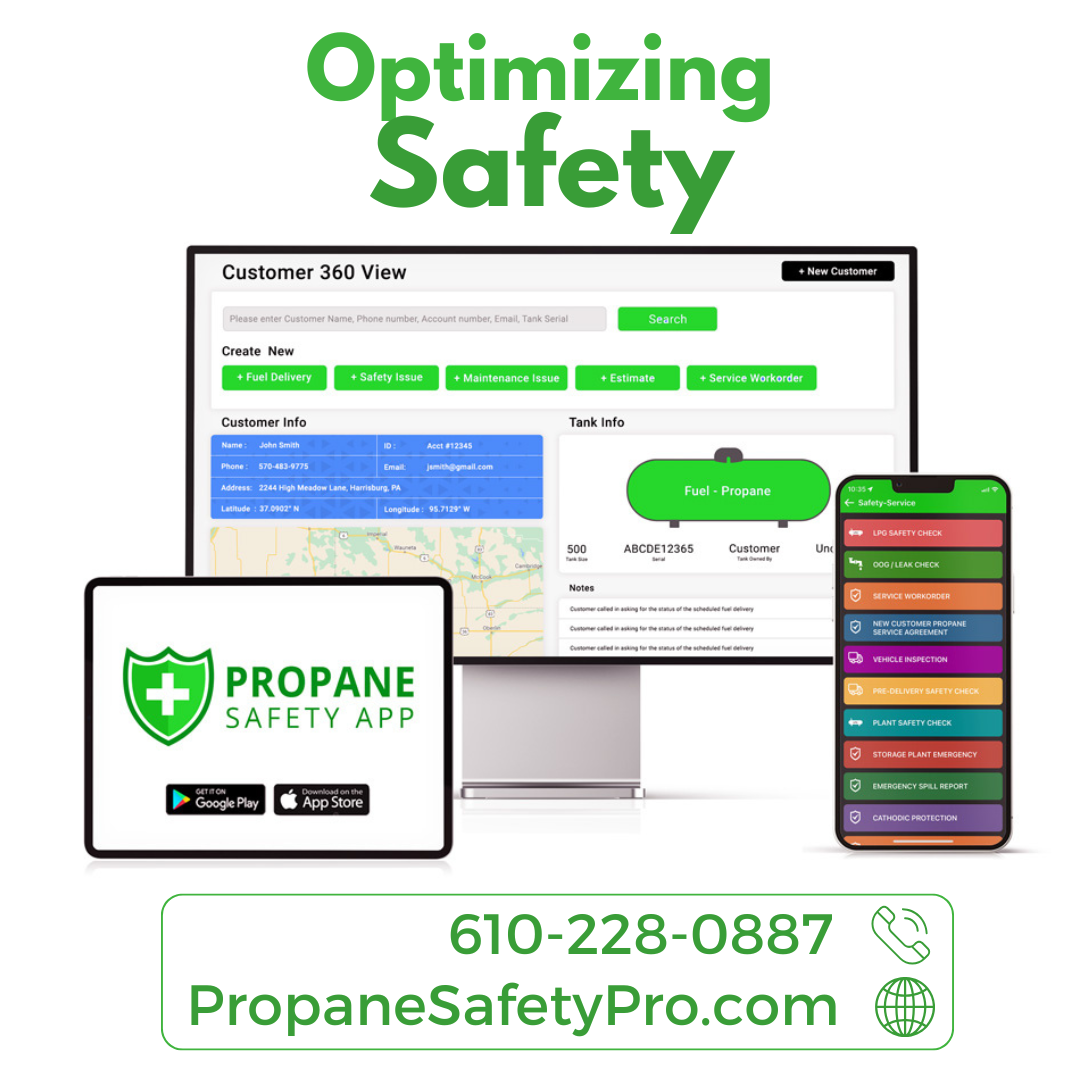
If drivers or service techs can capture digital signatures, leak checks, or tank data directly into the system via mobile tools, eliminate redundant office entry. Even partial digitization relieves administrative bottlenecks.
• Communicate Narrowly and Clearly
Send a short, direct customer notice to high-volume accounts explaining peak-season response times and emergency protocols. Clear expectations reduce inbound call volume, which is often the true workload driver in understaffed offices.
Build Systems, Not Heroics
Peak season will expose operational weak points every year. An understaffed office simply makes them visible faster. The goal is not to push remaining staff to exhaustion; it is to protect dispatch flow, compliance integrity, and revenue capture while deferring non-essential tasks.
Operators who treat administrative triage as a structured process – not an improvised reaction – reduce runouts, avoid regulatory headaches, and protect cash flow during the highest-demand months. In propane, margin is earned in the winter. It should not be lost in the office.