May 15, 2026
Operational Pressure Builds Across the Propane Industry as Fleets Face Efficiency and Compliance Demands
The U.S. propane industry continues to operate under increasing operational pressure as distributors manage aging fleet infrastructure, stricter safety enforcement, and rising maintenance demands. While demand for propane remains steady across residential, agricultural, and commercial sectors, the challenge for operators is no longer growth — it is reliability and efficiency.
One of the most persistent issues facing the industry is fleet uptime. Propane delivery trucks operate in demanding conditions, often serving rural and high-volume routes where breakdowns can quickly disrupt service continuity. Unplanned downtime not only impacts delivery schedules but also increases operating costs through emergency repairs and logistical rerouting.
At the same time, regulatory compliance requirements continue to tighten. DOT and NFPA standards require consistent inspection, testing, and documentation across fleet systems. For many operators, maintaining compliance while managing active delivery schedules places additional strain on maintenance resources.
Another growing concern is maintenance inefficiency across aging equipment. Many fleets continue to operate vehicles that require frequent service interventions, resulting in reactive repair cycles rather than structured preventive maintenance. Over time, this increases both cost exposure and asset downtime.
In addition, operators are increasingly focused on system efficiency and delivery optimization. Routing inefficiencies, outdated control systems, and limited real-time diagnostics contribute to higher cost-per-delivery metrics, particularly in distributed service areas.
Industry Shift Toward Purpose-Built Fleet Solutions
In response to these pressures, propane operators are placing greater emphasis on specialized fleet engineering and service providers capable of addressing both mechanical reliability and operational efficiency at the system level.
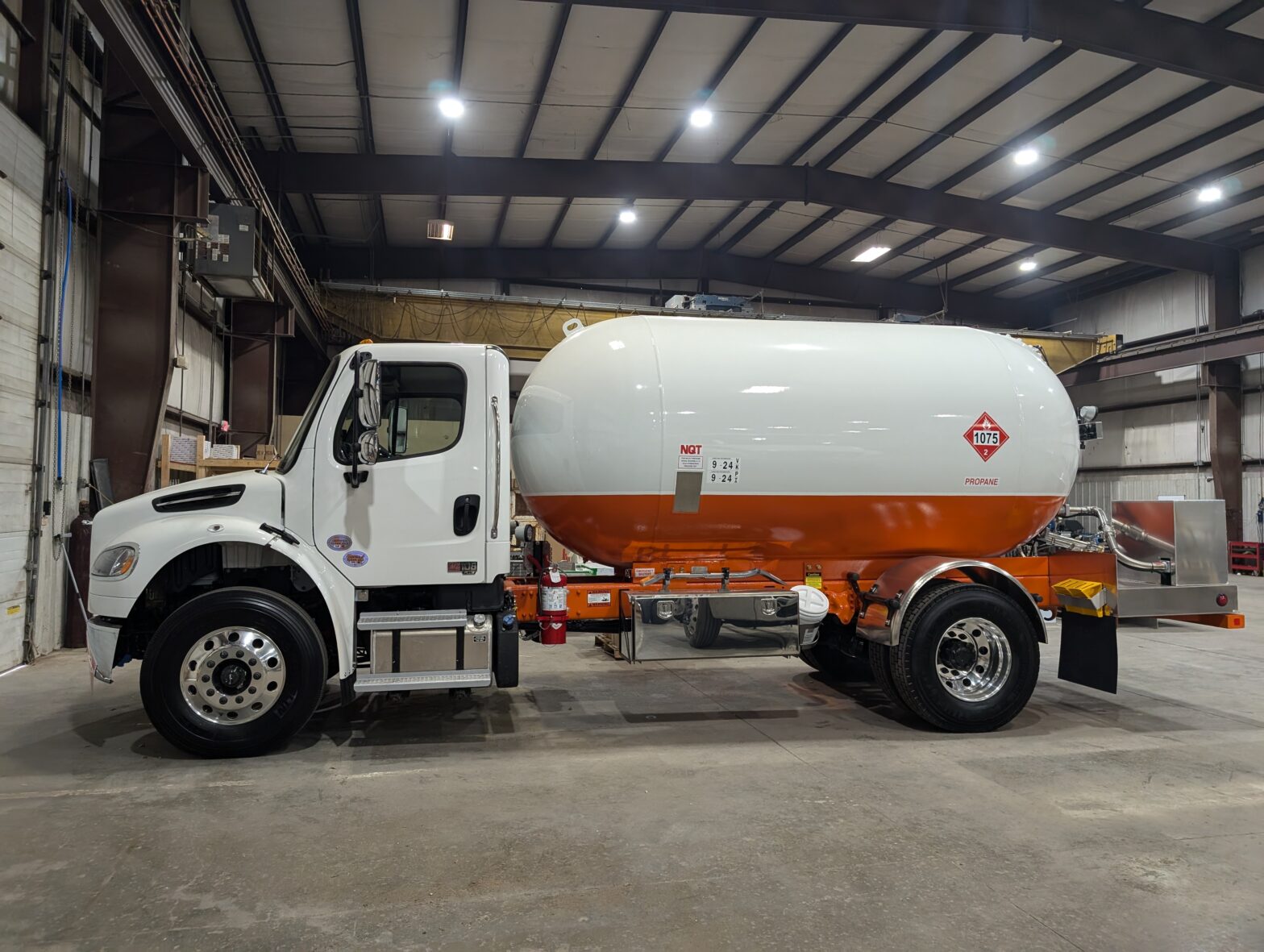
One of the companies positioned within this segment is Lux Industries, a Missouri-based manufacturer and service provider focused on propane bobtail trucks, fleet systems, and equipment support services.
Rather than treating propane vehicles as standard commercial assets, Lux Industries develops application-specific truck builds and service systems designed for propane distribution environments. Their focus includes reducing downtime exposure, improving serviceability, and extending equipment life cycle performance.
Core capabilities include efficient piping design layout with fewer fittings, welded flanges and sweeps for maximum flow, weather shielded lighting system, reinforced structural components, tank inspection and repair, pump and valve system servicing, meter calibration, hydraulic and electrical system repair. Each system is engineered with an emphasis on field maintenance access, operational durability, and compliance alignment.
A key aspect of their approach is preventative system design and diagnostics, aimed at identifying failure points before they result in operational disruption. This reduces reliance on emergency repair cycles and supports more consistent fleet availability.
Lux Industries also integrates modernized system layouts and routing considerations into truck design and refurbishment projects, supporting improved operational efficiency and reduced maintenance complexity over time.
Propane Sector Outlook
As propane demand remains stable and operational requirements continue to intensify, fleet reliability and system efficiency are becoming central priorities for distributors. Industry operators are increasingly evaluating not only equipment cost, but total life cycle performance – including uptime, serviceability, and compliance efficiency.
Within this environment, specialized manufacturers and service providers such as Lux Industries are becoming more relevant to fleet strategy, particularly as operators seek to strategically reduce their downtime exposure and improve their long-term operational stability.