New Initiatives Drive Propane Use in Agriculture
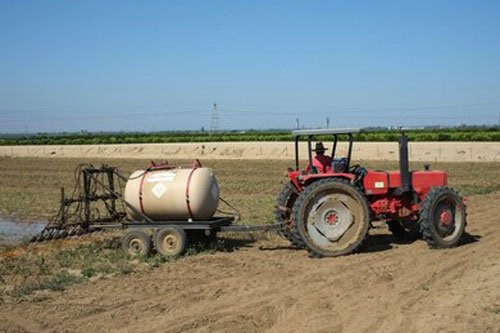
As energy costs rise and the need for reliable, flexible fuel solutions grows, propane is increasingly recognized as a critical energy source for agriculture and rural applications. New programs and initiatives are emerging to support propane adoption, offering incentives, training, and resources that help farmers, ranchers, and rural communities access clean, efficient, and cost-effective energy solutions.
Propane’s Growing Role in Agriculture
Propane has long been valued in agricultural settings for its versatility and reliability. From grain drying and irrigation engines to livestock building heating and backup power, propane provides a stable, on-site energy source that is largely independent of the electric grid. This independence is particularly important in rural areas, where power outages or limited grid infrastructure can disrupt operations.
The new programs aim to expand propane’s reach in agriculture by making adoption easier, safer, and more financially attractive. By promoting propane-powered technologies, these initiatives help producers improve efficiency, reduce emissions compared to diesel and gasoline alternatives, and increase overall operational resilience.
Key Features of the New Programs
The programs supporting propane adoption in rural and agricultural settings typically include:
• Financial Incentives and Grants: Farmers and rural operators can access funding to offset the cost of propane equipment, such as irrigation engines, grain dryers, or heating systems for livestock facilities.
• Technical Training and Support: Workshops and hands-on training help users understand propane system installation, safe operation, and maintenance best practices.
• Consultation Services: Experts provide guidance on energy planning, equipment sizing, and optimizing propane usage to meet specific farming or rural energy needs.
• Pilot Projects and Demonstrations: Participating farms may take part in demonstration programs to showcase propane technologies in action, helping other operators evaluate benefits and performance before investing.
Benefits for the Agricultural Sector and Rural Communities
These programs provide multiple advantages for rural energy users:
• Operational Reliability: Propane ensures continuous energy supply for critical farm operations, even during grid outages.
• Cost Management: Incentives and program support help reduce upfront capital costs, making propane adoption more accessible.
• Environmental Performance: Propane burns cleaner than diesel or gasoline, lowering emissions and supporting sustainable farm practices.
• Increased Efficiency: Modern propane-powered equipment often operates more efficiently than older electric or fossil fuel alternatives, saving energy and labor.
Implications for Propane Businesses
For propane suppliers and marketers, these programs represent significant growth opportunities. By partnering with farmers, cooperatives, and rural organizations, propane companies can:
• Expand sales into new agricultural and rural markets
• Promote value-added services, including maintenance contracts and training programs
• Strengthen community relationships and reinforce the reliability of propane as a core energy solution
Maximizing Program Impact
As these programs gain traction, the adoption of propane in agriculture and rural areas is expected to increase steadily. Companies that proactively engage with these initiatives can help farmers and rural operators leverage the full benefits of propane while positioning themselves as trusted partners in energy solutions.
By combining reliable supply, technical expertise, and strategic program participation, propane businesses can play a pivotal role in supporting resilient and sustainable energy infrastructure for America’s farms and rural communities.