Mastering Permits Builds Safer Propane Operations

Tanks, trucks, and deliveries are the most visible aspects of every propane business. However, behind the scenes elements such as permits and compliance regulations shape how smoothly your operation can function. Without the right approvals in place, even the best-run business can face unwanted delays, fines, or even shutdowns. That’s why a solid understanding of propane facility permits is not just a box to check but a cornerstone of long-term success.
Grasping the Permit Landscape
Permits for propane facilities vary depending on the location, size of operations, and type of services offered. You may deal with fire safety permits, environmental clearances, zoning approvals, and operating licenses. Each of these comes with its own requirements, timelines, and costs. Missing a step in the process can create setbacks that stall growth or limit your ability to serve customers. Taking the time to learn what is required in your area will do much to help you stay ahead of any potential issues.
Staying on Top of Safety Standards
Permits are closely tied to safety standards. Agencies often require proof that your facility follows rules outlined in established codes such as NFPA 58. These rules cover the storage, handling, and transportation of propane. Inspectors will check your site for proper equipment, secure storage, and staff training. By making safety a daily habit, not just a regulatory checklist, you protect both your team and your customers. Consistent compliance also makes the permitting process smoother because inspectors can clearly see your commitment to safety.
Keeping Records Organized
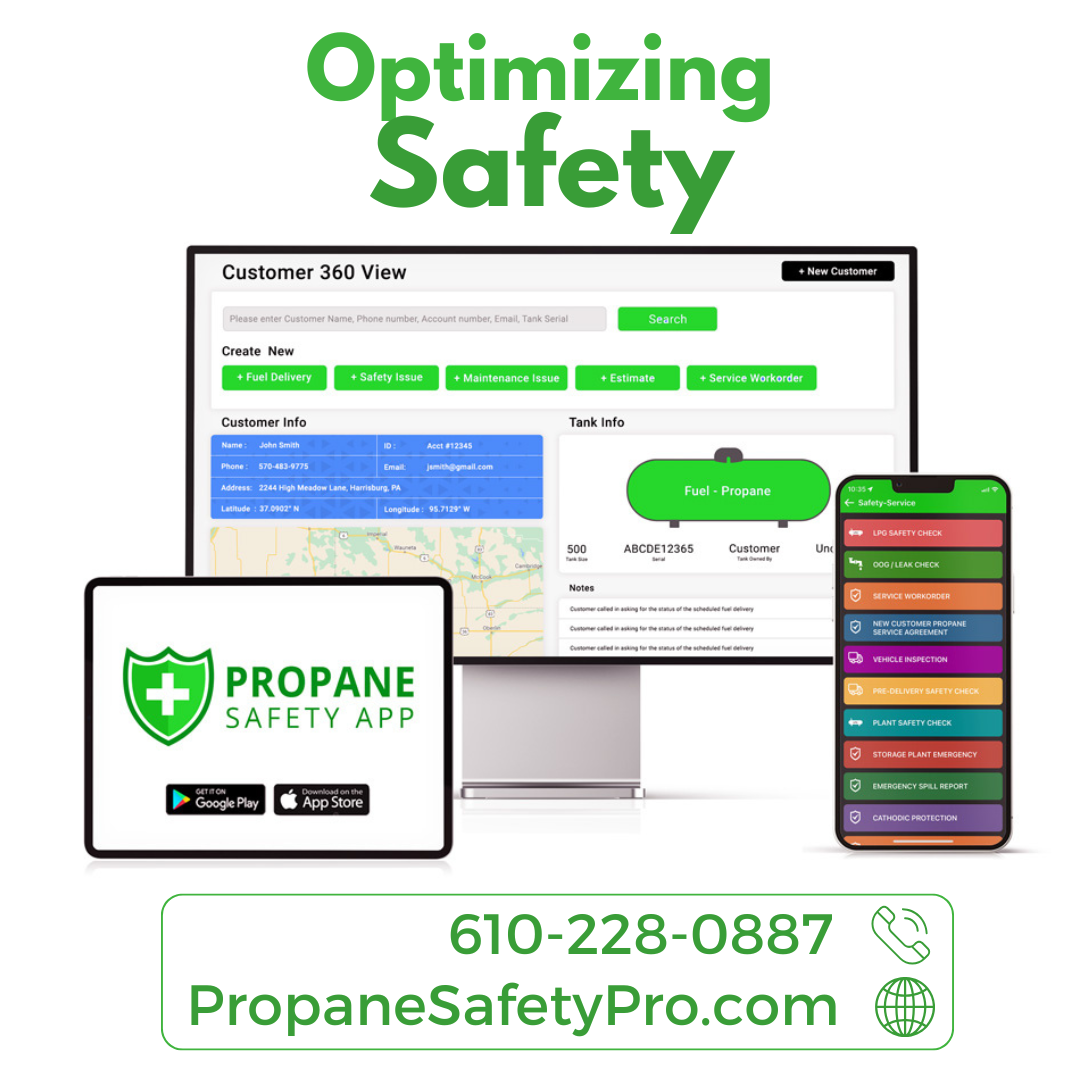
When inspectors or regulators visit, they want to see more than just physical compliance. They will also ask for documentation that shows your facility is following the law. Records of tank inspections, training sessions, and maintenance logs are essential. A scattered or incomplete filing system makes audits much more difficult and leaves you exposed to penalties. Many propane companies are now moving to digital tools like Tank Spotter that store permits and inspection records all in one place. This not only saves time but also provides a clear record if questions arise.
Building Strong Regulatory Relationships
Dealing with permits often comes down to communication. Regulators are more likely to work with you if they perceive your company as cooperative and proactive. Instead of waiting for problems to arise, reach out early when planning new projects or expansions. Ask questions, attend local hearings, and show respect for the process. Building these relationships creates smoother paths for approvals and reduces the risk of unexpected roadblocks.
Training Your Team on Compliance
Permits are not just the responsibility of owners or managers. Every employee plays a part in keeping your facility compliant. When drivers, technicians, and office staff understand the rules, they are less likely to make mistakes that can lead to violations. Training should cover everything from filling procedures to emergency response. When your staff is confident in their understanding of the various propane regulations, inspections become less stressful and compliance becomes part of everyday work.
Creating Long-Term Value
Permits may feel like red tape, but they are actually safeguards that protect your business and the community. By treating them as a key part of operations rather than a burden, you reduce risks and open doors for growth. Companies with strong compliance records often find it easier to expand facilities, secure financing, and win trust from both customers and partners.
Mastering facility permits is not only about staying legal, it is about building resilience and credibility. A propane company that invests in compliance reduces financial risks, avoids costly delays, and sets itself apart as a reliable and professional operator. By focusing on permits with the same energy that you put into customer service, you create a stronger foundation for long-term success.