Managing Propane Stock Rotation Protects Your Business

Propane businesses know that keeping tanks filled and ready is only part of the job. What often gets overlooked is how stock is managed in storage yards and warehouses. Without a clear system for rotation, companies risk holding onto older cylinders too long, which can lead to safety concerns, product loss, and wasted money. Managing stock rotation is not just about organization, it is about protecting your operation, ensuring customer trust, and keeping your business efficient.
Stock rotation becomes especially important as propane businesses grow. The more tanks and cylinders you manage, the easier it is for mistakes to happen. A tank that sits too long in storage may begin to show wear, while newer ones are put out first. Over time, this imbalance can cause you to incur unnecessary costs and raise risks that could have been avoided with a clear system.
Why Stock Rotation Matters
Propane cylinders and tanks, like any piece of equipment, have a life cycle. They must be inspected regularly, and many have dates by which they should be recertified or taken out of service. If older stock is overlooked, you run the risk of sending unsafe or non-compliant cylinders into the field. That can present risks to your customers and expose your business to liability, fines, or damage to your reputation.
Rotation also keeps inventory accurate. When you are using the “first in, first out” method, you can track exactly how much stock is moving and how quickly that is being accomplished. This makes it easier to plan for seasonal swings, budget for supply needs, and avoid unnecessary shortages or excess buildup.
Setting Up Clear Processes
The first step to better rotation is establishing a structured process. A good system should make it clear which cylinders should go out first and which ones need to be held back for inspection or recertification. This is where clear labeling, tracking tags, or barcodes come in. The more visible and consistent your system is, the less room there is for error when trucks are loaded or when tanks are staged for delivery.
Training your staff on these processes is just as critical. Everyone in your operation, from drivers to yard workers, needs to know why rotation matters and how to follow the system. When employees understand that stock rotation keeps customers safe and the business secure, they are more likely to take it seriously.
Using Technology to Improve Accuracy
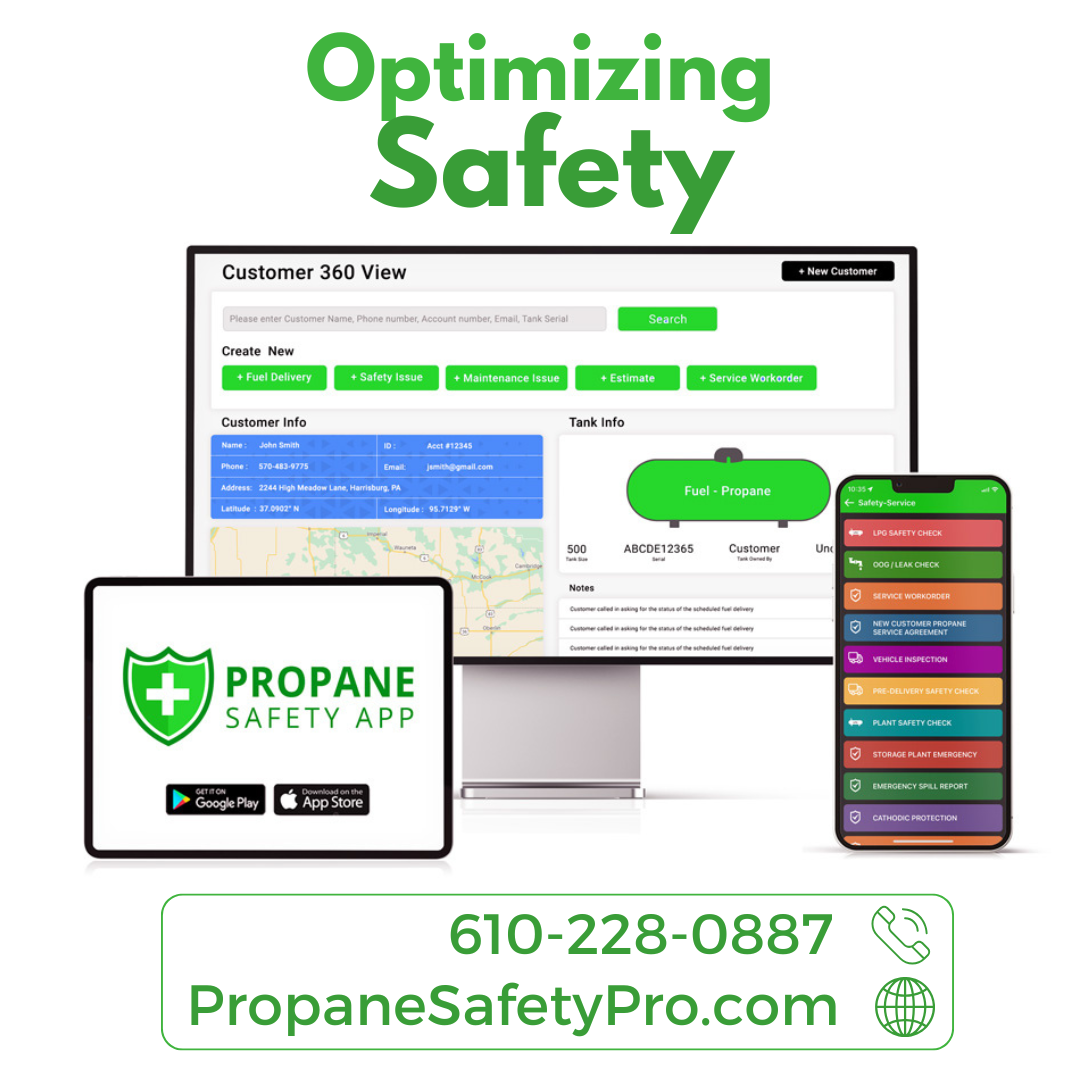
Manual systems, while useful, often leave room for mistakes. Digital tools and inventory management software can make propane stock rotation much more reliable. By tracking each cylinder’s inspection date, fill date, and service history, these systems give you a clear picture of which tanks should be used first. Real-time updates also help you catch errors before they become bigger problems.
Mobile apps and cloud-based systems can connect the warehouse to the field, so drivers know exactly what they are picking up and dropping off. This not only streamlines rotation but also creates a record that can protect your business in the event of a compliance check or customer dispute.
Long-Term Benefits of Good Stock Rotation
When propane stock rotation is managed properly, it creates lasting benefits for your business. Equipment is used more efficiently, compliance risks are reduced, and customer service improves because tanks and cylinders are always safe and ready. Over time, this builds stronger customer trust and lowers your operating costs.
Poor rotation, on the other hand, increases risks. Expired or unsafe cylinders can lead to safety incidents, while poorly tracked inventory causes wasted time and money. In a competitive industry, even small inefficiencies can weaken your edge.
The Impact on Propane Businesses
Strong stock rotation practices are not just about keeping your yard in order. They directly support your bottom line by reducing risks, cutting waste, and keeping customers confident in your service. Businesses that invest in better processes and tools for rotation are better prepared to grow, expand service areas, and manage larger volumes without losing control. For propane companies, mastering stock rotation is one of the most practical ways to stay safe, efficient, and profitable.