Line 5 Ruling Brings Winter Supply Stability, But Delivery Risks Remain

A pivotal federal court ruling has once again reaffirmed that the Enbridge Line 5 pipeline will continue operations throughout the winter, offering last-mile propane delivery businesses much-needed supply certainty as peak heating demand sets in. This decision, which blocks Michigan’s efforts to force a shutdown of the international pipeline, reduces near-term disruption risk for propane carriers across the Midwest and Great Lakes region, but it doesn’t eliminate operational challenges on icy roads or guarantee price stability at the pump.
Why the Line 5 Decision Matters to Propane Supply
Enbridge’s Line 5 delivers significant volumes of natural gas liquids (NGLs) — including propane feedstock, across Wisconsin and Michigan to refineries in Sarnia, Ontario. Those refineries process NGLs into propane, which then flows back into U.S. markets. Historically, a large share (up to 75%) of propane in parts of Michigan and neighboring states depends on Line 5 throughput, meaning any interruption could tighten regional supply and push wholesale costs higher.
In mid-December, a federal judge ruled that Michigan cannot unilaterally shut down the pipeline under state safety laws, asserting that interstate pipeline regulation falls under federal jurisdiction. This follows years of litigation and came just as winter demand peaks, giving marketers more clarity for supply planning.
Operational Realities Beyond the Courtroom
While legal clarity helps stabilize propane availability, marketers still face practical risks during winter delivery operations:
Route Hazards: Snow and ice increase accident risk and slow down deliveries, especially on rural roads.
Equipment Strain: Frozen hoses, valves, and regulators malfunction are more common in sub-freezing temperatures.
Labor & Safety: Extended driver hours raise fatigue concerns, requiring disciplined scheduling and safety checks.
Even with Line 5 open, supply chain bottlenecks, such as railcar delays or refinery turnarounds, can still strain inventories at the terminal level, underscoring the importance of robust delivery planning and risk mitigation for local marketers.
Actionable Advice for Propane Marketers This Winter
Strengthen Safety Protocols: Review and reinforce winter operating procedures with drivers and dispatch teams. Ensure daily checklists address traction aids, emergency equipment, and weather-related hazards.
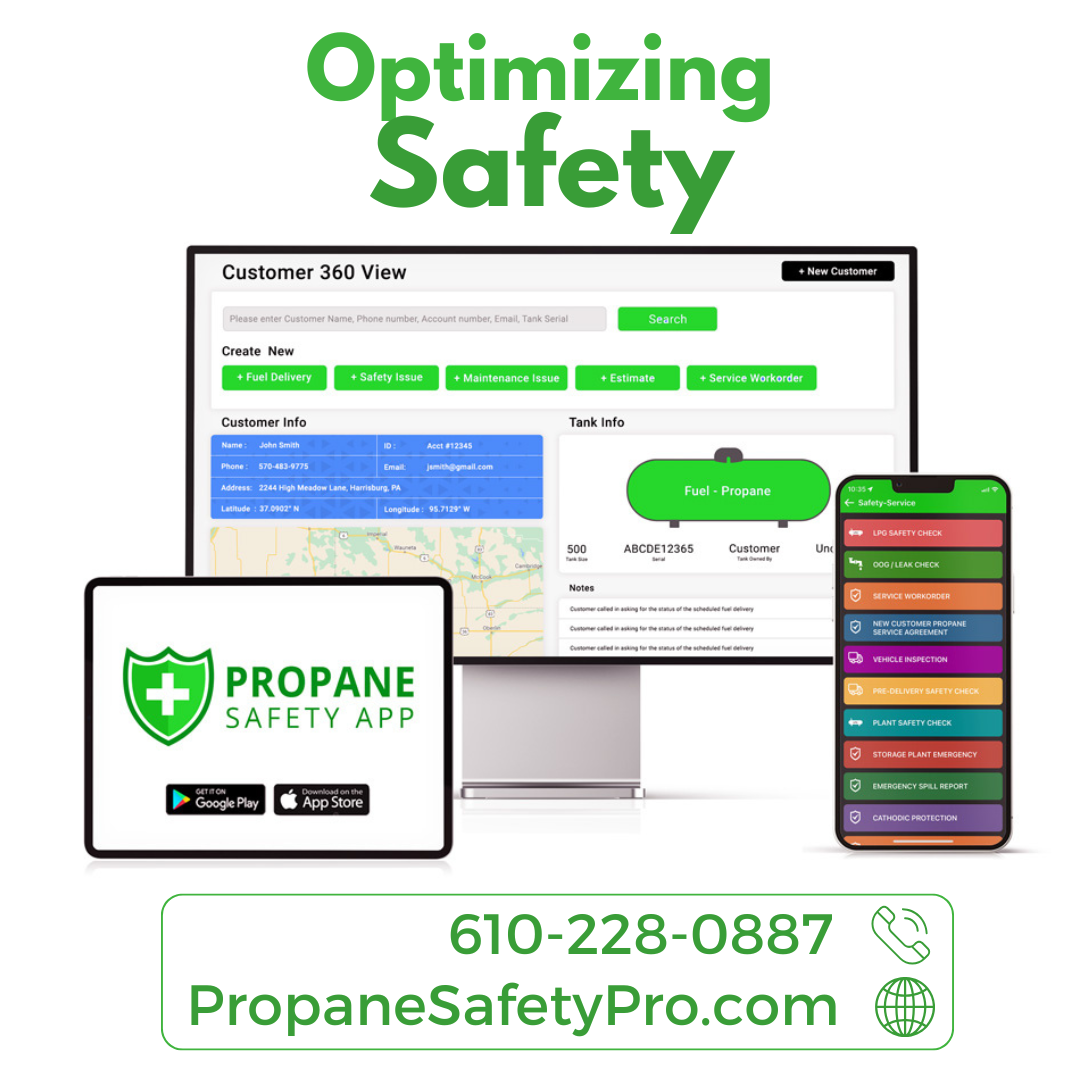
Automate Compliance and Inspections: Tools like Tank Spotter can help digitize and schedule routine safety checks for drivers and tanks, boosting compliance and reducing manual paperwork during the busy winter months.
Forecast and Communicate Early: Use historical sales and weather data to anticipate demand spikes. Communicate proactively with customers about delivery windows, potential delays, and fill options.
Maintain Inventory Buffers: Where feasible, plan for slightly higher stock at key terminals to absorb unforeseen refinery or transport delays, particularly in colder, high-usage zones.
The December 2025 court ruling on Line 5 offers propane marketers greater confidence in regional supply continuity throughout the winter, lowering the chance of sudden shortages in core Midwest and Great Lakes markets. However, operational discipline, safety readiness, and proactive logistics planning remain essential for businesses navigating winter delivery challenges. By combining legal clarity with smart processes and user-friendly digital tools, propane marketers can better protect their teams, customers, and bottom lines during the busiest season of the year.