April 17, 2026
Insurance-Friendly Documentation That Protects Propane Operations

Why Incident Records Matter More Than Ever
After an incident, even a minor one, propane companies often focus on restoring service and keeping customers satisfied. That immediate response is important, but what follows can shape the outcome long after the equipment is repaired. Insurance claims, regulatory reviews, and legal questions often rely on the quality of documentation created in the first hours and days after an event. Clear, consistent records help show what happened, when it happened, and how your team responded. For propane businesses, strong documentation can reduce claim delays, limit liability exposure, support employee accountability, and protect the company’s financial position over time.
What Insurers and Regulators Expect to See
Insurance carriers and regulators look for records that are timely, factual, and complete. Guidance shared by the National Propane Gas Association highlights the importance of documenting incidents in a way that clearly connects actions taken in the field to the established safety procedures. The basic facts of each incident matter – including the date, time, location, weather conditions, equipment involved, and names of employees or third parties on site. Photos taken immediately, before anything is moved or repaired, often carry the most weight. These early records are viewed as more reliable than later recollections, especially when claims are reviewed months after the event.
Where Documentation Often Falls Short
Many insurance challenges arise not from the incident itself, but from missing or inconsistent records. Incomplete driver notes, unclear timelines, or the absence of training proof can create doubt during claim reviews. Without clear records, companies may struggle to demonstrate compliance, even when employees have followed procedures correctly. Differences in how incidents are documented across drivers or locations can also suggest weak internal controls, which insurers tend to scrutinize closely.
Industry Shift Toward Standardized Records
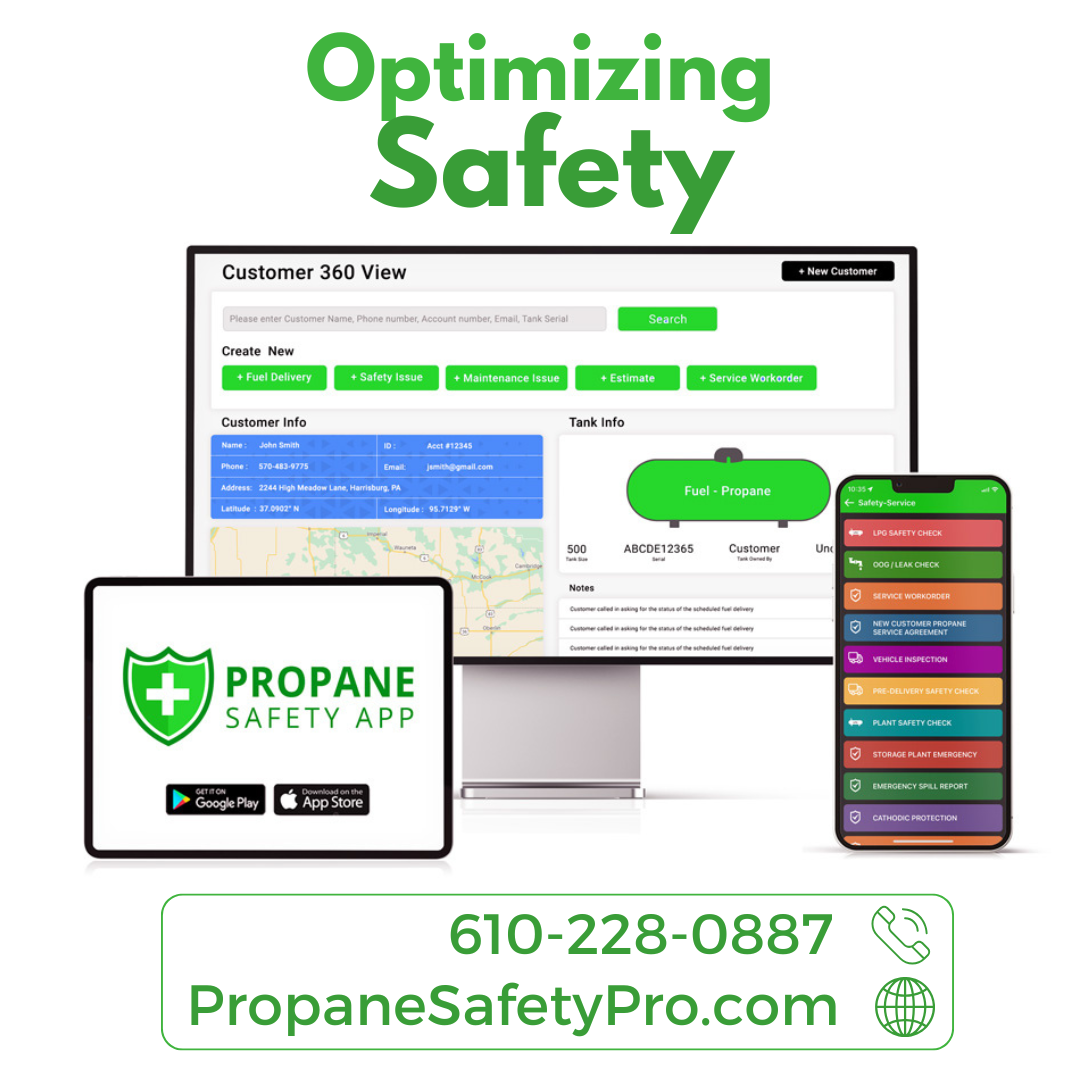
Across the propane industry, there is a growing move toward standardized and digital incident documentation. Mobile photos, automatic timestamps, and centralized storage of training certificates and communications help companies respond faster to insurance and regulatory requests. There is increasing interest in tools that bring safety records, training logs, and communication histories into one system. This shift reflects rising claim costs and greater expectations from insurers for organized, easy-to-verify records.
Key Steps That Reduce Future Risk
First, require photos of the scene, equipment, and surrounding area before anything is adjusted or removed. Second, document exact timestamps, weather conditions, and delivery status as soon as an incident is reported. Third, retain proof of driver training, certifications, and recent safety meetings connected to the incident. Fourth, save all related communications, including internal reports, customer calls, and contact with insurers or emergency responders.
Why Consistent Documentation Pays Off
Strong incident documentation is one of the most effective tools for protecting a propane business after something goes wrong. It supports insurance claims, reinforces safety culture, and reduces uncertainty during audits or reviews. As insurers and regulators continue to expect faster, clearer records, companies that standardize what they save after every incident will be better prepared to manage risk, control costs, and maintain operational confidence moving forward.