Inheriting a Bad Install Without Inheriting the Risk
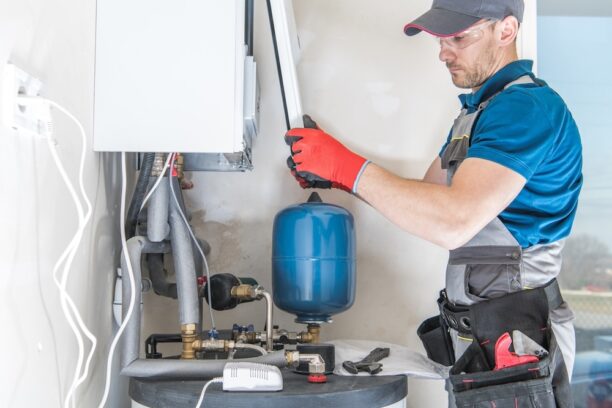
Every established propane marketer eventually takes on a customer whose system was installed by someone else and not done well. It may come through acquisition, a competitor shutting down, or a homeowner frustrated with their previous supplier. The tank may lack proper clearances, the regulator vent may face the wrong direction, the underground line may be undocumented, or the entire setup may predate current code interpretations. The challenge is not simply correcting deficiencies. The real issue is how to improve safety and compliance without unintentionally assuming unlimited responsibility for workmanship that was never yours. This is where discipline, documentation, and internal consistency serve to protect both your balance sheet and your people.
The Liability Shift Happens Faster Than You Think
The moment your driver connects a hose and fills that tank, operational control shifts. From a plaintiff’s standpoint, once you begin servicing the account, you are the active supplier. If visible deficiencies remain unaddressed, opposing counsel may argue that you effectively accepted the installation.
NFPA 58 establishes specific standards for container placement, regulator configuration, protection, and piping practices. Servicing a system that clearly falls outside those standards without documenting and addressing deficiencies creates exposure. The danger is not always immediate; it is a retrospective interpretation after an incident.
One of the most common mistakes operators make is performing limited repairs without clearly defining scope. A regulator replacement or a minor piping correction may improve safety, but if not documented properly, it can imply that your company validated the rest of the system. Partial correction without written limitation can blur responsibility boundaries.
Separate Code Deficiencies From Immediate Hazards
Experienced propane professionals understand that not every noncompliant detail requires a lockout. The critical skill is distinguishing between a condition that presents immediate danger and one that requires scheduled corrective action.
An improperly oriented vent may be a code violation but not an ignition source. Insufficient clearance from a structure may represent long-term risk but not imminent failure. Conversely, damaged regulators, leaking fittings, or severely corroded components demand immediate action.
Without structured internal criteria, technicians rely on individual judgment. That inconsistency becomes a liability issue. One technician might refuse to fill while another services the same condition a week later. In litigation, inconsistency is often portrayed as negligence. Operational maturity requires a defined internal classification system that guides field decisions and ensures that dispatch, service management, and leadership apply the same standard every time.
Documentation Is Your Primary Risk Control Tool
Insurance carriers defend companies that can demonstrate disciplined field procedures. They struggle to support them when documentation is sparse or inconsistent. When inheriting a questionable system, technicians should conduct a structured safety evaluation that mirrors a new-install inspection. That evaluation should include written notes and photo records of tank placement, regulator configuration, piping runs, and appliance connections. Those records should be stored with the customer file.
If deficiencies are identified, the customer should receive a written notice describing the issue and recommended corrective action. If service continues temporarily, that continuation must be clearly defined as limited and conditional. If the customer declines recommended upgrades, that refusal should be documented and retained.
Equally important is contract language. Customer agreements should clarify that the supplier is not responsible for pre-existing installation defects and reserves the right to discontinue service if unsafe conditions exist. Relying on verbal disclaimers in the field provides little protection when reviewed months or years later.
A Structured Response When You Take Over a System
When your company encounters an inherited installation, slow down the process. Begin with a formal safety evaluation rather than a casual visual check. Treat the system as if it were new to your books, regardless of how long it has been in service.
After inspection, classify the condition internally. Determine whether it presents an immediate hazard, requires corrective action within a defined timeframe, or represents an improvement recommendation that does not block service. This internal classification prevents emotional decision-making in the field.
Provide the customer with written documentation that clearly defines what your company will and will not address. If you perform limited repairs, specify that scope precisely on the service ticket and invoice. Avoid broad language that implies comprehensive system certification unless you have truly reworked the entire installation.
Finally, involve supervisory oversight when conditions are ambiguous. A safety manager or operations supervisor reviewing inherited systems adds consistency and strengthens defensibility.
Operational and Staffing Implications
Inherited installs quietly consume time. Technicians spend additional minutes documenting conditions, explaining requirements, and sometimes negotiating corrective work with customers. If dispatch pressures crews to “just get it filled,” field consistency erodes.
Leadership must reinforce the concept that refusing to fill under defined unsafe conditions is a protective decision, not a revenue loss. A single incident tied to a poorly documented inherited system can erase years of margin. Companies that manage this well build a reputation for professionalism rather than rigidity. Customers often respond positively to clear explanations grounded in code requirements and documented safety standards. Inconsistent policies, however, damage credibility.
Protecting Enterprise Value Over the Long Term
Inherited installations are unavoidable in this industry. Acquisitions, competitor exits, and customer churn guarantee that you will encounter systems built under different standards and levels of care.
The operators who protect long-term enterprise value are those who treat inherited installs as structured risk events. They rely on documentation, defined scope, internal consistency, and disciplined communication. They correct what must be corrected, refuse what must be refused, and document everything in between.
Handled properly, correcting a bad install can strengthen customer trust. Handled casually, it can expose your company to open-ended liability. The difference lies in whether you approach the situation as a service call or as a managed operational risk decision.