Improving Dispatch to Keep Customers Happy
Dispatching is at the heart of propane operations. Every delivery and service call depends on the ability to send the right driver to the right place at the right time. When dispatch systems are efficient, customers receive their propane on schedule, drivers avoid wasted miles, and businesses save on both time and fuel. But when dispatch is slow or disorganized, even the best team can struggle to keep up with the demand.
For propane companies, service dispatch is more than a routine scheduling task. Rather, it is a system that connects customer needs with company resources in real time. Improving this process means fewer delays, less confusion, and stronger relationships with the people who rely on propane every day.
Coordinating Routes More Effectively
One of the biggest challenges in dispatch is planning routes that balance speed and efficiency. Urban areas may have many stops close together but heavy traffic, while rural routes may stretch out over long distances with fewer customers. Dispatch systems that account for these differences help drivers complete more deliveries with less stress. Route coordination through the use of route optimization software saves fuel, reduces wear on vehicles, and helps to ensure that all customers are served on time.
Responding Quickly to Emergencies
Propane companies often receive urgent calls from customers who are running low on fuel or facing unexpected equipment issues. A strong dispatch system allows managers to reroute drivers quickly and prioritize emergency deliveries without disrupting the rest of the schedule. The ability to adapt to customers’ needs responsively builds trust and does much to keep operations running smoothly.
Tracking Drivers and Deliveries in Real Time
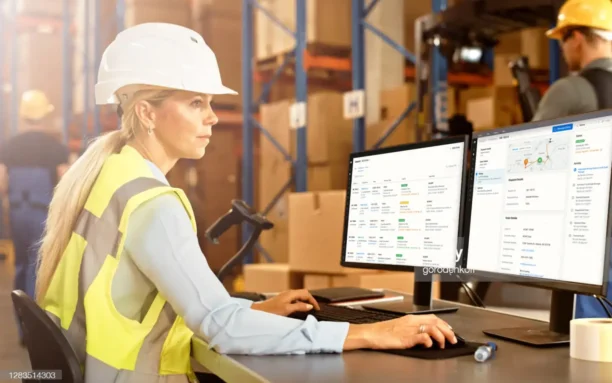
Modern dispatch systems can provide real-time updates on exactly where drivers are and how their deliveries are progressing. This visibility allows dispatchers to monitor the team’s efficiency and make adjustments as needed. Customers also benefit from accurate updates on delivery times, thereby reducing frustration and unnecessary calls to the office.
Strengthening Communication
Dispatch works best when communication is clear. Drivers need updated instructions, customers need accurate timelines, and managers need reliable data. Mobile apps, digital logs, and instant messaging tools can all help reduce errors and make sure everyone is on the same page. Strong communication keeps the entire operation moving at a steady pace.
Training Dispatchers and Drivers
Even the best technology relies on the people who use it. Training dispatchers to use tech tools effectively and giving drivers clear guidance ensures that the system works as intended. When employees understand both the technology and the company’s service priorities, dispatch quickly becomes smoother and more reliable.
Measuring Performance and Making Adjustments
Dispatch systems should not remain static. Reviewing key performance indicators, such as average delivery times, fuel use, and on-time service rates, allows businesses to identify weak points and make improvements. Regular adjustments and a strong focus on continual improvement will keep company systems responsive to changing customer needs and seasonal demands.
Business Implications
For propane companies, improving dispatch is one of the most practical ways to boost efficiency and customer satisfaction. Better routes mean lower costs, faster responses build stronger trust, and real-time communication prevents mistakes that harm the customer experience. Companies that invest in dispatch systems position themselves as dependable providers, capable of meeting demand while controlling expenses. In a competitive market, efficient dispatching can be the difference between keeping a customer and losing one.