How to Manage Wait Times Without Losing Customers
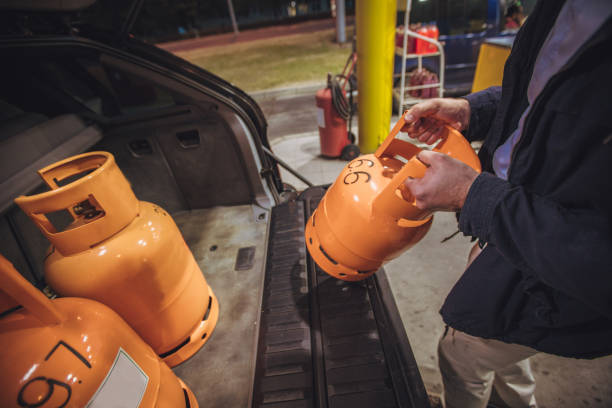
When the cold season hits, propane businesses face one of their biggest yearly challenges – keeping up with demand while keeping customers happy. Everyone seems to need fuel at once, and even the most organized operation can find itself stretched thin. Long wait times, delivery delays, and stressed-out staff can quickly turn into frustration for both customers and employees. Managing these peak periods well is about protecting your reputation, maintaining trust, and keeping your customers loyal even when schedules get tight.
Peak season is when your company’s systems are tested the most. It’s when you see if your scheduling, communication, and workforce can handle the pressure. But with the right planning and mindset, you can manage high demand without losing customers or burning out your team. Building a system that balances workload and clear communication alike will help your propane business perform smoothly under this seasonal pressure. Here’s how that can be accomplished…
Plan Ahead Before the Rush
The best way to manage peak season wait times starts before the season begins. Early preparation gives your team a clear head start on what’s to come. Review previous years’ delivery data to identify specific patterns, such as when orders start increasing and which routes are the busiest. This information will help you prepare enough inventory, schedule deliveries efficiently, and ensure that you have enough staff ready for the expected demand.
Encouraging customers to schedule early also helps balance your team’s workload. You can use reminder calls, emails, or texts to let customers know that ordering early will help to ensure timely service. When customers spread out their orders before the rush, your operation runs more smoothly and fewer people end up waiting during peak weeks.
Strengthen Scheduling and Route Management
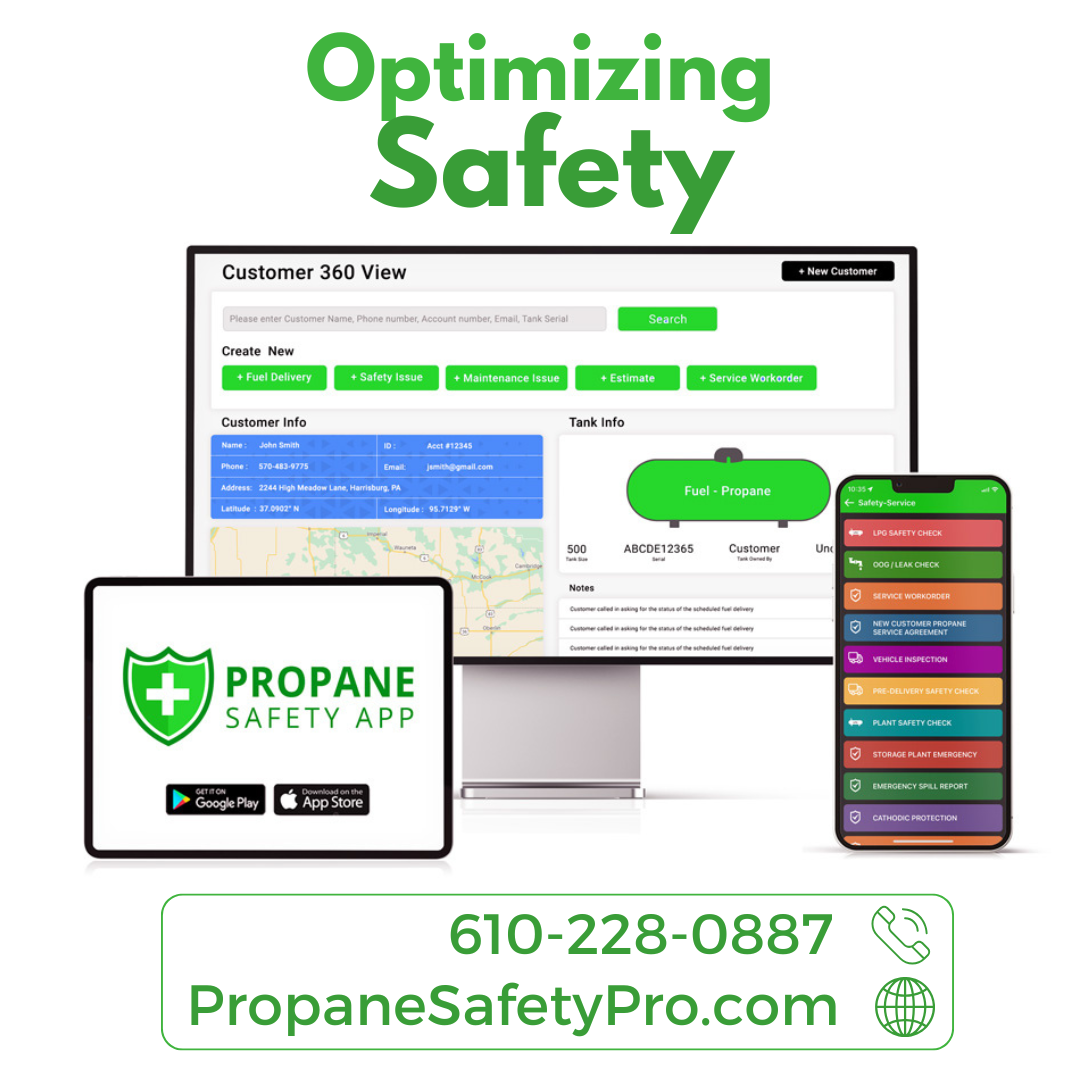
Once the busy season begins, scheduling becomes the heart of efficiency. The key is to make the best use of every delivery hour. Review your routes and adjust them for the most logical order based on geography and tank levels. Modern apps and route optimization software can help you streamline these routes and track deliveries in real time, ensuring that your drivers spend less wasted time on the road and more time serving customers.
Having a clear system for prioritizing deliveries also does much to help in this regard. For instance, emergency refills or low-tank situations should be at the top of the list, while scheduled fills can follow in order. This structure guarantees fairness, prevents mistakes, and helps your company in achieving its goal of providing excellent customer service.
Communicate Clearly and Often
During peak times, communication can make or break your customer relationships. People are more patient when they know what’s happening and when to expect their service. Keeping your customers informed about estimated delivery dates and times, any potential delays, or unexpected changes in schedules helps reduce frustration.
Be sure to utilize multiple communication channels – phone calls, texts, and emails – to keep your message consistent. Having your team trained to handle customer questions calmly and confidently also helps to maintain trust among your client base. When customers feel heard and respected, they’re more likely to stay loyal, even when they have to wait longer than usual for their service.
Support and Organize Your Team
Your team is your best asset during the busiest months. However, long work hours and high demand can wear down even the most dedicated employees. Regular check-ins, clearly communicated schedules, and consistent breaks can do much to help prevent burnout. When your staff feels supported and appreciated, they tend to work more efficiently and maintain positive energy that customers can sense.
Assigning specific roles to your team during high-demand weeks can also make operations run more smoothly. For example, have someone focus solely on customer updates, while others manage logistics or dispatching. Clear division of responsibility keeps your business organized and responsive even under pressure.
Maintain Service Quality Under Pressure
It’s easy to cut corners when the workload is high, but service quality must remain steady. Customers will remember how well you handle challenges during the difficult seasons, not how fast you deliver their fuel during the slow seasons. Maintaining safety checks, polite communication, and accurate billing reinforces the reliability of your business and must be team priorities year-round, not just when the pressure is light.
If an unexpected delay happens, be sure to address it directly with the customer and offer realistic expectations. Clients appreciate honesty far more than empty promises that go unfulfilled. When your business is transparent in the midst of issues and challenges, you turn potential frustration into trust.
Meeting High Demand When Temps Drop
Managing wait times successfully during peak season serves to keep your business steady when others stumble. You are doing more than just keeping up with deliveries in those times; you are keeping your reputation strong as well. When you plan ahead, communicate clearly, and support your team, you protect your business and strengthen your customer base in multiple key ways.
Every propane business faces high demand when temperatures drop, but not every business handles it well. By keeping your operations both efficient and customer-focused, you will do much to set yourself apart as dependable and trustworthy. Managing peak-season pressure effectively ensures that when the rush ends, your customers will remain loyal and your business will remain strong year after year.