How PERC’s New Programs Boost Propane Retailer Growth
The propane industry is changing in ways that create real opportunities for small and mid-size retailers. Across the country, the Propane Education & Research Council (PERC) has introduced new commercial efficiency programs designed to support businesses that want cleaner, reliable, and more cost-effective energy. These programs are opening doors for propane retailers to enter new commercial markets, strengthen relationships with business customers, and build long-term stability in a growing energy sector.
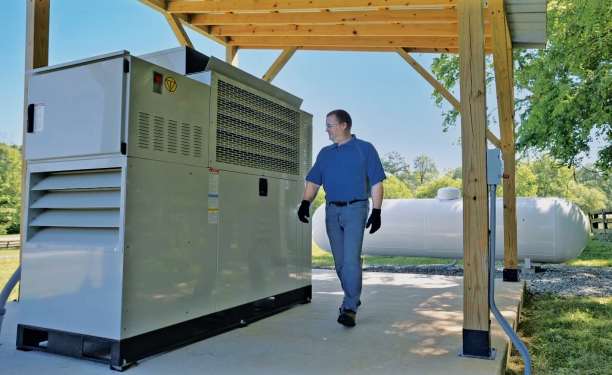
PERC’s latest efforts focus on improving commercial propane use through research support, financial incentives, and better access to information. One of the newest initiatives is the Alternative Technology Demonstration and Research Program, which helps commercial sites test propane-powered equipment such as cooling systems and combined heat and power (CHP) systems. These businesses share performance data in exchange for support from PERC. According to reporting from LP Gas Magazine, the program includes structured incentive levels for commercial facilities using propane equipment above and below 15 kW, offering flexible participation for different business types.
This program matters because many commercial operations are looking for dependable energy sources that do not rely entirely on the electric grid. Facilities such as hospitals, small manufacturers, schools, hotels, and multi-family housing properties continue to seek ways to avoid power outages or high electric costs. Propane-powered CHP systems provide both heat and power all in one unit. Propane cooling systems are also becoming more attractive to businesses that want consistent performance in areas with extremely hot summers. As these systems grow in popularity, propane retailers have a chance to become the primary suppliers and service partners for these customers.
PERC’s ongoing industry support also includes research programs and long-standing appliance incentives. These efforts help expand propane use in construction, agriculture, and commercial buildings, encouraging more businesses to adopt propane-powered systems. As these programs grow, more facilities begin exploring propane as a long-term energy option instead of relying only on electricity or other energy choices.
For propane retailers, this shift has very positive implications. Commercial customers typically use larger amounts of fuel than residential homes, and they tend to require steady year-round deliveries. This creates consistent demand that strengthens a retailer’s business during mild winters or unpredictable residential heating seasons. When a business installs propane-powered cooling or CHP equipment, it creates long-term fuel demand that expands the retailer’s sales and strengthens the customer relationship.
Another benefit is the chance for propane retailers to become trusted advisors to their commercial clients. By helping customers learn about PERC’s programs, retailers can guide them through the process of adopting new propane equipment. This improves loyalty and increases the likelihood of multi-year delivery contracts. Retailers who communicate clearly, share program details, and support customers through installation decisions often become the preferred fuel supplier for years to come.
For small propane delivery companies, these programs can be especially important. Many local retailers rely heavily on home heating, which can make income unpredictable during warm winters. Commercial accounts help balance that instability by offering steady volume, predictable schedules, and opportunities to expand storage and fleet capacity. Even a few new commercial clients can transform the seasonal nature of a small propane business into a more consistent year-round operation.
PERC’s new commercial efficiency programs give retailers a chance to enter growing sectors, build stronger business partnerships, and expand their fuel volume in measurable ways. By staying aware of these opportunities, reaching out to local businesses, and explaining the benefits of propane-powered systems, retailers can secure a stronger position in their communities. As more commercial operations search for reliable energy, propane companies that act early will be ready to serve new customers and support long-term growth for their business.
Information for this article was provided by the Propane Education & Research Council (PERC).