Federal LIHEAP Guidance Creates Winter Opportunities
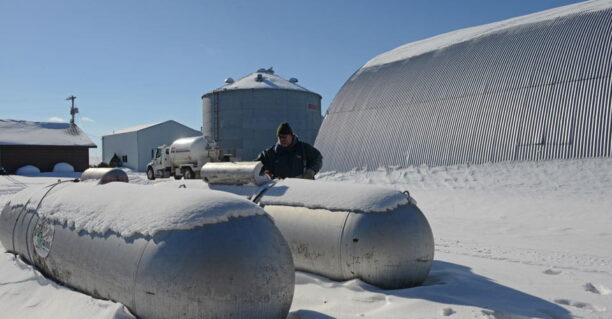
Recent federal updates to the Low Income Home Energy Assistance Program (LIHEAP) have created a timely opportunity for U.S. propane delivery companies, particularly those serving residential customers in colder regions. LIHEAP provides financial assistance to households that need help paying heating bills, and the latest guidance clarifies funding distribution and operational timelines for state and local agencies. With a clearer framework in place, more eligible households are likely to access support during the winter months, translating into increased propane delivery demand.
For small- and mid-sized propane retailers, this development has direct operational and financial implications. Deliveries to LIHEAP‑eligible households typically represent a steady and predictable source of volume during peak heating seasons. With federal funding now confirmed and administrative instructions clarified, delivery companies can better anticipate their winter workload, plan routes efficiently, and ensure sufficient inventory is available to meet demand spikes.
Additionally, coordination with local social service agencies has become more straightforward. Retailers that maintain communication with program administrators can confirm approvals, expedite billing, and schedule deliveries with reduced risk of unpaid balances. This proactive approach helps smooth cash flow while maintaining strong customer service for households reliant on propane for heat.
The timing is especially critical for rural and semi-rural markets, where propane often serves as the primary heating fuel. Many households in these areas qualify for LIHEAP assistance, and delays in funding or communication can create gaps in service. Retailers who integrate LIHEAP considerations into their seasonal planning can avoid last-minute route changes, reduce missed deliveries, and improve operational efficiency.
While LIHEAP-funded deliveries are only one component of overall winter demand, they often provide a stabilizing effect on seasonal revenue. Companies that actively monitor program updates, align delivery capacity with anticipated approval volumes, and maintain strong relationships with social service partners can better manage seasonal fluctuations and sustain reliable service.
In summary, federal LIHEAP guidance not only supports households in need but also provides propane delivery companies with actionable insight for their winter operations. By planning deliveries around confirmed funding, optimizing fleet scheduling, and maintaining communication with local administrators, retailers can ensure consistent service while minimizing operational disruptions during the peak heating season.