Energy Choice Laws Could Shape Your Customer Pipeline
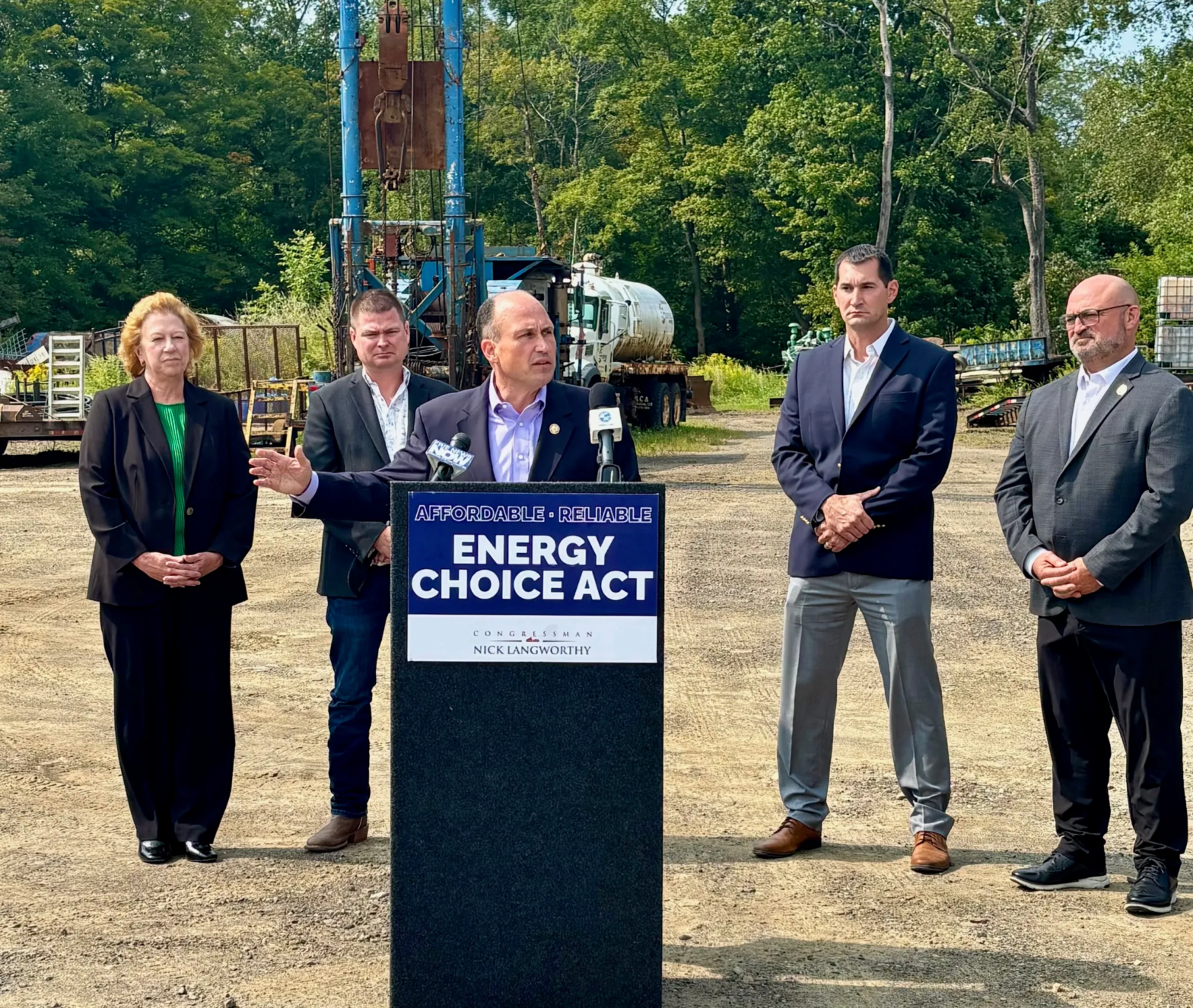
A legislative fight unfolding in Washington, D.C. and in state capitols across the nation could have long‑term implications for propane marketers. The Energy Choice Act – legislation introduced in the U.S. House and Senate aimed at preventing bans on gas appliances and fuel connections – has gained broad bipartisan support and now awaits floor action in the House after advancing through committee. If passed, this bill would prohibit state or local governments from limiting or eliminating energy service connections based on fuel type, directly protecting propane access to homes and commercial buildings.
At the same time, other legislative efforts are moving at the state level to encourage energy efficiency programs that, intentionally or not, may shift consumers toward electrification and away from propane. For delivery professionals, understanding how these trends affect customer demand and regulatory risk is essential to both short‑term planning and long‑term growth.
What “Energy Choice” Really Means for Propane Marketers
Energy choice legislation is about more than slogan‑worthy phrases; it aims to preserve consumer autonomy in selecting fuel sources for heating, hot water, and other critical applications. The Energy Choice Act, for example, would prevent states and cities from banning connections or installations of propane or other energy services based solely on fuel type. This could protect one’s potential customer base from restrictive mandates that limit propane use in new construction or renovations.
This matters especially in states where building codes and electrification incentives have tilted decisions toward all‑electric homes. In some regions, proposals are advancing that would make it easier for low‑income residents to replace oil or propane heat with electric systems – changes that can reduce future demand for traditional fuels if customers are steered accordingly.
For propane marketers, staying informed about these legislative efforts – whether they are federally driven or locally adopted – helps them to better anticipate where propane demand may erode or be protected by law.
Operational Impacts: Demand, Planning & Sales Strategy
Legislative discussions around energy choice can create tangible operational realities such as:
Demand forecasting: If local codes or incentives favor electrification, propane use patterns could soften in certain segments. Delivery planners must factor in regulatory variability when estimating route volumes and tank refill cycles.
Sales positioning: When energy choice laws are debated in a particular region, the sales and marketing teams there have an opportunity to educate customers about propane’s reliability, cost stability, and performance benefits – especially relative to all‑electric alternatives.
Customer retention: Awareness of regulatory trends allows propane marketers to proactively engage clients who may be influenced by policy narratives, reinforcing why propane remains a viable, resilient choice even as energy markets evolve.
This isn’t hype – or hypothetical. Communities across the U.S. have seen debates over appliance bans, natural gas infrastructure phase‑outs, and building code changes that implicitly affect propane. Moreover, in regions where energy choice protections already exist, delivery professionals can use that legal stability as part of their value proposition, reassuring customers that their propane fuel options aren’t at imminent risk.
Turning Legislative Trends Into Strategic Opportunities
Propane companies don’t have to be passive observers of energy policy debates. Several fronts offer chances to shape outcomes and strengthen your business. These options include:
Engage in advocacy: Industry associations are actively supporting energy choice laws and opposing restrictive mandates. Participating in these efforts – through letters, grassroots outreach, or local meetings – gives you a voice in the regulatory process and establishes goodwill with policy makers.
Educate stakeholders: Proactive communication with customers about what energy choice means – both the risks of restrictive mandates and the benefits of fuel diversity – helps retain accounts and build trust.
Diversify offerings: Legislative uncertainty often motivates customers to seek energy systems that provide flexibility. Emphasizing propane’s role in hybrid energy solutions (e.g., propane backup generators paired with solar) can open new sales channels.
Rather than waiting for laws to take effect, successful propane leaders integrate regulatory trends into their business development plans, aligning product offerings and customer communication with broader energy policy developments.
Staying ahead of energy choice legislation will help propane retailers skillfully navigate policy risk and recognize growth opportunities. Whether laws end up protecting access to propane appliances or incentivizing electrification – or both – being informed and prepared allows propane companies to remain competitive in a shifting energy landscape. By coupling advocacy with customer education and diversified strategy, delivery businesses can not only protect their pipelines but also reinforce propane’s reputation as a dependable, adaptable fuel choice.