Conviction in the Sterling, VA Explosion: How Propane Companies Can Protect Themselves Against Lawsuits and Criminal Charges (Part Two)
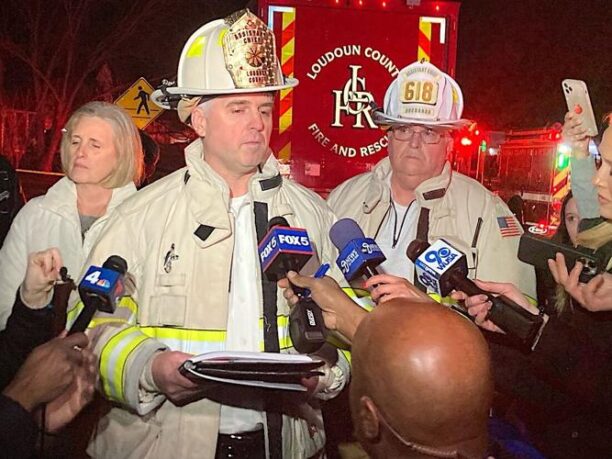
The Sterling, Virginia propane explosion of February 2024 did not simply end with the complete destruction of a home or the tragic death of firefighter Trevor Brown. What followed was a lengthy courtroom drama and a series of lawsuits that now stand as a warning for the entire propane industry.
In July 2025, the veteran propane technician at the center of the incident stood trial for his role in the disaster. Prosecutors argued that his actions, filling a red-tagged tank, failing to inspect inside the home, ignoring clear signs of leakage, and advising the homeowner to wait for propane to dissipate naturally, constituted gross negligence. The defense countered that he was being used as a scapegoat for broader failures, pointing to the homeowner’s knowledge of past leaks and the company’s oversight. After seven days of testimony and three days of jury deliberation, the technician was convicted of involuntary manslaughter and multiple hazardous materials and fire code violations. His sentencing is scheduled for November 2025, with the possibility of a lengthy prison term.
The legal consequences extended far beyond the technician’s criminal conviction. In May 2025, a civil lawsuit was filed in the Richmond (VA) Circuit Court seeking more than $100 million in compensatory and punitive damages. Plaintiffs included Brown’s widow, injured firefighters such as Brian Diamond and Karam Mashaal, the homeowner Kelley Woods, and neighbors affected by the blast. The lawsuit alleges gross negligence for filling a red-tagged tank, ignoring industry standards, and failing to mitigate clear risks. Punitive damages alone, aimed at punishing willful disregard for safety, could reach bankruptcy-level amounts for the propane company.
Adding to the scrutiny, the Loudoun County Significant Incident Report, released in January 2025, criticized the emergency response. It noted incomplete risk assessments, failed radio transmissions, and inadequate use of protective equipment. While the report primarily targeted fire department improvements, it indirectly underscored what propane professionals already know: the explosion might never have occurred if the propane company had acted decisively when the leak was first reported.
For propane business owners and managers, the implications are stark. Employees can face criminal liability and prison time for neglecting safety. Owners and executives can be drawn into lawsuits for inadequate training or oversight. Companies can lose everything in damages, legal fees, and reputational fallout. The Sterling case is a reminder that complacency and informal practices are no longer survivable in today’s regulatory and legal environment.
The solution is proactive safety management backed by robust documentation. Digital resources like the Tank Spotter propane safety app allow service technicians to instantly record inspections, leak tests, red-tagging decisions, and customer communications on-site. These entries create a traceable audit trail that can demonstrate compliance to regulators and provide a strong defense in court. Insurers across the country recognize the immense value of this tool and encourage its implementation, with some even offering premium discounts to companies that use the app.
By integrating Tank Spotter into their everyday operations, propane businesses can do much to protect both their employees and customers, minimize liability, and strengthen their defenses against criminal and civil claims. The Sterling explosion is more than a tragedy; it is a case study in what can happen when glaring safety lapses are combined with poor documentation. It is also a blueprint for prevention. Propane companies that act now to embrace crucial digital safety tools will be well-positioned not only to safeguard lives but also to protect their businesses from the kind of legal and financial devastation seen in Sterling.