Building a Steady Five-Year Strategy for Your Business
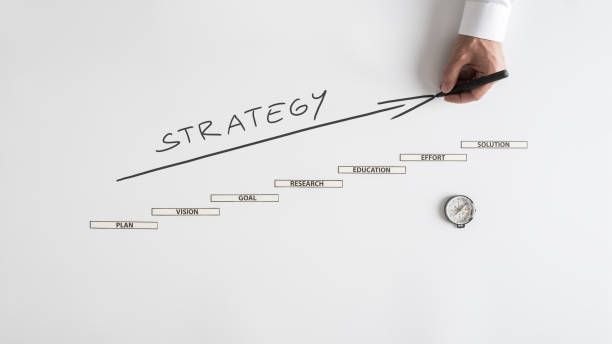
Looking ahead over the next five years presents a mix of challenges and opportunities for propane businesses of every size. The energy sector is shifting, global demand is rising, and forecasts show steady growth for propane markets through at least 2030. While change can feel overwhelming, overreacting to every trend can lead to costly decisions that don’t pay off. Instead, smart planning based on reliable information helps prepare your business for the future without assuming needless risk.
Propane demand has shown strong signals of steady expansion in recent industry studies. Reports indicate that the global propane market is expected to grow significantly in value and volume over the next decade, supported by demand in residential, commercial, and industrial sectors. One forecast from The Business Research Company estimates that the global propane market will rise from roughly USD 90 billion in 2024 to about USD 122 billion by 2029, based on a compound annual growth rate of about 6.6 percent for the forecast period. These trends are driven by ongoing use of propane for heating, fuel applications, and industrial needs.
At the same time, according to the U.S. Energy Information Administration (EIA), propane inventories nationwide have stayed above average in recent months, pointing to ample supply heading into peak demand seasons. With these market signals, propane businesses should prepare for growth, but they should do so in a measured way that protects stability and avoids overcommitment.
A balanced five-year plan should begin with a clear view of where the market is headed and what may influence demand, supply, prices, and customer needs. This allows businesses to build plans that support both short-term performance and long-term resilience without reacting too quickly to every temporary change.
To start, it helps to track broad energy market trends that may affect propane supply and price. Reports from government and industry sources show that energy markets are complex and influenced by many factors, including exports, production levels, and changing fuel use patterns. For example, recent analysis of U.S. energy inventories shows propane stocks above the five-year average, which can help reduce short-term price spikes and give businesses more time to manage supply.
The key to steady planning is not just observing data, but interpreting it in a way that is practical for your operations. High inventories ahead of winter may mean less stress on supply during peak season, but it also signals the need to develop flexible delivery plans that can handle seasonal swings without overloading your capacity. Looking at broader forecasts helps businesses adjust fleet schedules, staffing plans, and inventory levels as seasons change over the coming years.
Another part of preparation is understanding potential changes in demand. Growth in residential, commercial, and industrial propane use supports healthy market forecasts. The long-term trend toward rising energy demand, plus the expanding use of propane for heating and other applications, means that customer bases may grow or shift. However, businesses should avoid overreacting by investing heavily in capacity far beyond what the market shows today. Instead, phased investments aligned with realistic demand scenarios help maintain financial stability while positioning you for growth when demand rises.
Building flexibility into your capital planning allows your business to scale without risking too much at once. For example, investing in modular storage solutions, planning incremental fleet additions, or choosing technology upgrades that can grow with your needs all do much to support measured preparation. These strategic steps help to ensure that your business is ready for higher demand without locking in costs too early.
Operational readiness also includes workforce planning. The energy industry continues to face staffing challenges in certain areas, and propane businesses should consider how to attract, keep, and train employees over the next several years. Investing in staff development and clear internal processes strengthens your team’s ability to handle future workload growth without disruption.
Preparing a business plan that balances growth with caution means setting goals based on credible data rather than reacting to every headline or price movement. Forecasts show that propane markets are expected to grow steadily in the next several years, and that context supports thoughtful planning efforts. By focusing on solid trends, aligning investments with demand projections, and building operational flexibility, your business can be ready for the future in a way that is both confident and stable.
An industry that grows steadily over time opens doors to new customers, improved services, and more efficient operations. Planning with care keeps your business positioned to benefit from market expansion without putting it at risk from short-term pressures or needless spending. A thoughtful five-year strategy empowers your business to grow wisely, respond to real market changes, and remain strong in the years ahead.