Build a Monthly Compliance Cadence That Prevents Surprises

For many propane marketers, compliance still shows up as a spike on the calendar. Internal audits happen in a rush before a state inspection. CETP records get updated after a near-miss. Vehicle files are reviewed when insurance renewals approach. That annual scramble creates operational drag and exposes the business to preventable risk. NFPA 58 is updated on a three-year cycle. DOT enforcement never runs on your schedule. Insurance carriers are increasingly aggressive in underwriting propane operations. A monthly compliance cadence shifts the workload into manageable increments and reduces the financial and legal volatility that comes with reactive oversight.
Why Annual Scrambles Fail Operations
An annual compliance review assumes that risk accumulates slowly. In reality, it compounds weekly. Bobtail maintenance intervals, driver qualification files, leak check documentation, and regulator replacements don’t fail all at once. They drift. A missed MVR review becomes an overlooked license downgrade. A delayed cathodic protection test becomes a tank relocation question during a property sale.
When compliance is episodic, managers tend to discover issues in clusters. That clustering forces overtime, interrupts dispatch, and strains technician schedules. It also weakens your negotiating position with insurers. Carriers reviewing propane risks look for patterns – consistent training logs, documented internal inspections, and disciplined vehicle file management. If your records show last-minute bulk updates, underwriters notice. A monthly cadence doesn’t eliminate regulatory complexity. It distributes it.
Dispatch, Staffing, and the Cost of Drift
Compliance failures rarely start as regulatory violations. Rather, they start as operational shortcuts. A driver swaps routes, and no one updates the training matrix. A tank set is completed, but the photo documentation sits on a tablet. A service technician notes a code concern, but it never makes it into a supervisory review.
Over time, these small lapses distort scheduling and staffing decisions. Dispatch assumes equipment is current. Managers assume certifications are active. Safety meetings become generic because no one is analyzing recent field documentation for trends.
The EIA continues to show propane’s steady role in residential and agricultural markets, which means fleet miles and tank assets remain significant across rural territories. With that footprint comes greater exposure – highway liability, installation scrutiny, and consumer complaints that escalate quickly when documentation is thin. Monthly reviews of route files, service tickets, and driver status prevent minor documentation gaps from becoming plaintiff exhibits.
Aligning With NFPA 58 and DOT Without Drama
The recent edition of NFPA 58 contains updates that affect installation, inspection, and operational practices. Those changes don’t require panic; instead, they require structured adoption. Waiting until a state inspector references a code revision is the wrong moment to interpret new language.
Similarly, DOT’s Federal Motor Carrier Safety Regulations demand ongoing attention to driver qualification files, hours-of-service records, and vehicle maintenance documentation. These are continuous obligations, not annual exercises.
A monthly cadence allows you to review one segment of compliance at a time. One month focuses on bobtail maintenance logs and brake inspection intervals. Another month targets CETP verification and refresher needs. Another reviews customer file completeness and leak check records. By rotating categories, you touch every major compliance domain quarterly without overwhelming your team.
A Practical Monthly Compliance Framework
This is not about creating more paperwork. It is about assigning rhythm and ownership. Operators who implement a monthly cadence tend to adopt a simple structure:
• Segment Compliance Into Rotating Categories: Divide obligations into four buckets: fleet and DOT, training and personnel, plant and bulk storage, and customer installation records. Assign one bucket per month for structured review. Limit the scope so it can be completed in under two weeks.
• Tie Reviews to Existing Meetings: Use monthly safety or operations meetings to present findings. Review real field documentation, not abstract reminders. If three service tickets show incomplete regulator documentation, address that pattern immediately.
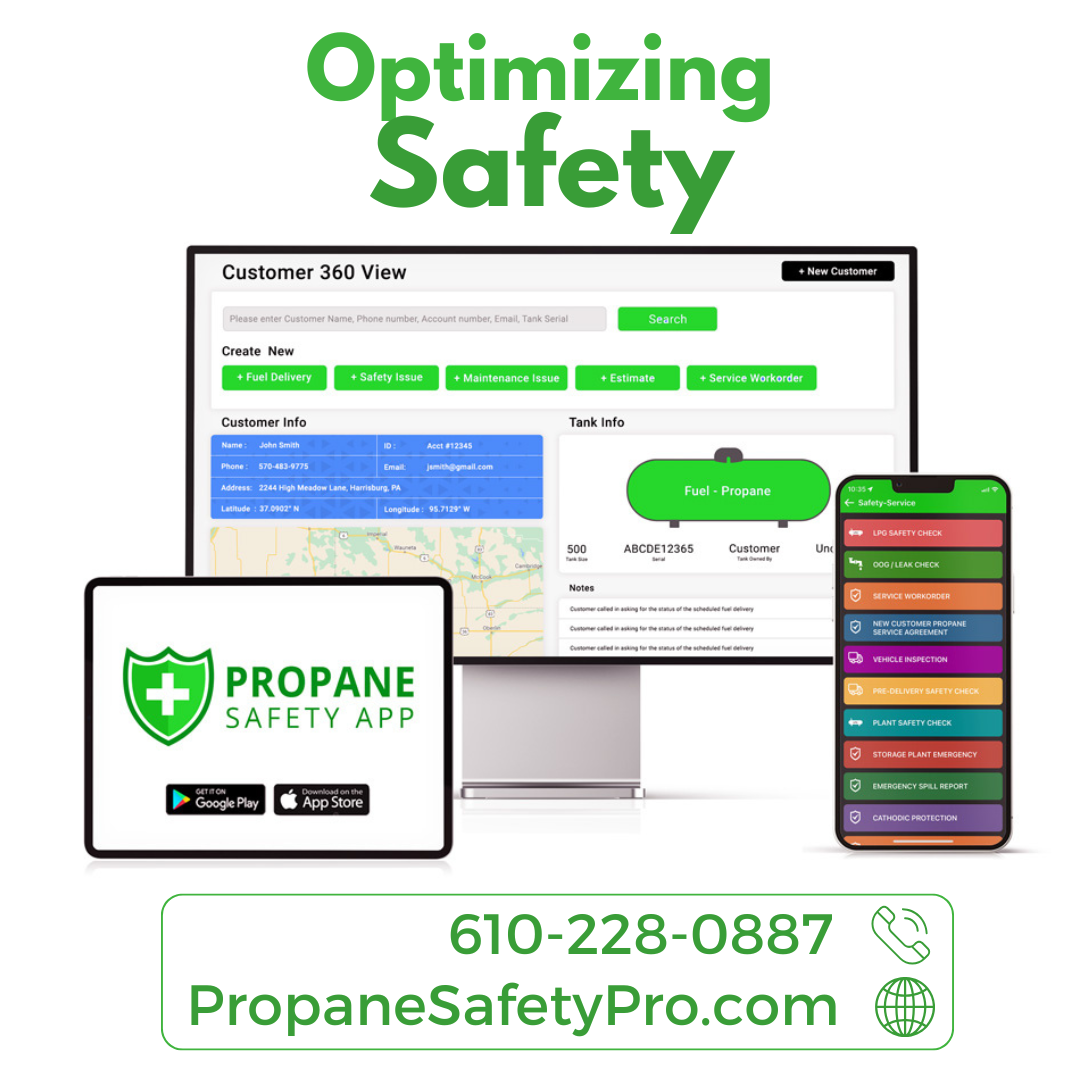
• Create a Single Compliance Dashboard: Track key items in one shared document: expiring medical cards, upcoming cathodic protection tests, pending CETP modules, and overdue internal inspections. Visibility prevents surprises and reduces reliance on individual memory.
• Involve Insurance Partners: Share your cadence framework with your agent or carrier loss control representative. Demonstrating structured oversight can support renewal discussions and potentially stabilize premiums.
Moving From Reactive to Proactive
When compliance becomes a key monthly discipline rather than annual triage, operational decision-making improves. Dispatch gains confidence in fleet readiness. Managers schedule training before credentials lapse. Documentation supports faster claim resolution. Most importantly, the business avoids the reputational and financial shock that follows preventable incidents.
The propane industry operates in a regulatory environment shaped by NFPA standards, DOT enforcement, and state-level oversight. That reality will not change to become more simple. What can change is how you engage it. A monthly cadence reduces stress on your team, strengthens your position with both regulators and insurers, and turns compliance into a steady operational function instead of a crisis-driven event.
Businesses that treat compliance as vital infrastructure rather than an interruption tend to scale more smoothly and remain confident, protected, and stable long into the future.