Boston Transit Agency Shifts to Propane Buses to Cut Costs and Emissions
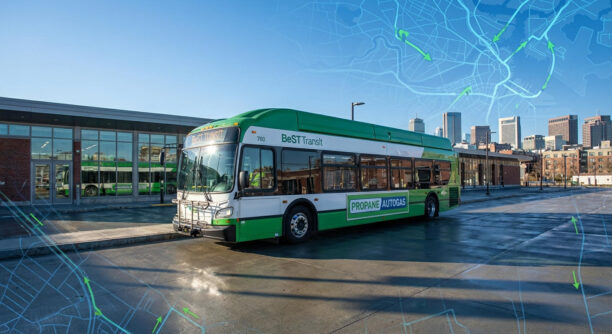
BeST Transit rolls out new fuel strategy with six propane buses now on the streets
BOSTON, MA – BeST Transit, Boston’s public transportation agency, is embracing cleaner, more cost‑effective resources by adding propane‑powered buses to its fleet. Six of the new buses are already in operation, with plans to introduce additional dual‑fuel vehicles over the next two years. The initiative is supported by partnerships with fuel suppliers and equipment manufacturers, ensuring the fleet has access to reliable propane and the latest conversion technology.
“Propane can reduce fuel costs by 20 to 30 percent compared with diesel while cutting harmful emissions,” said Maria Alvarez, BeST Transit’s Director of Fleet Management. “Our mission is to provide safe, affordable, and environmentally friendly transportation, and propane helps us achieve that.” The agency’s adoption of propane also fits within Boston’s broader sustainability goals, reflecting growing confidence in alternative fuels for heavy-duty vehicles.
The benefits extend beyond environmental gains. Propane’s relatively stable price can make budgeting easier, and its higher octane rating may enhance engine performance and longevity. BeST Transit is also using advanced fleet-management software to improve scheduling and routing for the new buses, ensuring they operate efficiently and stay on schedule.
Industry observers note that BeST Transit’s approach highlights the importance of planning when switching to alternative fuels: securing dependable fuel supplies, using reputable conversion equipment, and integrating fleet-management systems that support mixed-fuel operations. As more cities consider propane autogas, demand for infrastructure, service, and technology solutions is expected to grow.
For propane suppliers and fleet service providers, the shift opens new opportunities:
• Municipalities will need more bulk propane deliveries as fleets expand.
• Companies can offer bundled solutions, including fuel, vehicle conversions, and ongoing maintenance support.
• Fleet-management integrations that monitor fuel use and vehicle performance will become increasingly valuable.
• Staying informed about state and local incentives can help suppliers and contractors accelerate adoption and grow their business.
BeST Transit’s move illustrates how public transit agencies can balance cost savings with environmental responsibility, and it may serve as a blueprint for other cities looking to modernize their fleets.