Balancing Urban and Rural Propane Deliveries
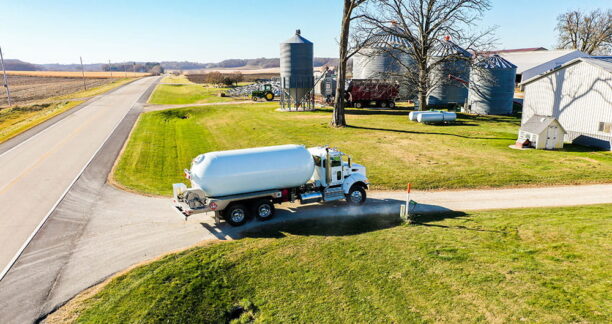
Propane delivery is at the core of every propane business, but not all routes look the same. Urban and rural deliveries each come with their own set of challenges, and finding the right balance between them is key to keeping customers satisfied while running efficient operations. In cities, deliveries are often close together, but traffic and parking issues can create delays. In rural areas, broad distances mean fewer stops per route, which can raise costs. Both types of routes are important, and managing them effectively helps a propane company grow while maintaining dependable service.
Striking this balance is more than a matter of convenience. It requires thoughtful planning, smart scheduling, and efficient use of resources. Companies that understand the unique needs of urban and rural deliveries can design routes that save time, reduce costs, and keep fuel flowing to every customer who depends on them.
Challenges of Urban Deliveries
Urban routes often allow drivers to serve many customers in a smaller geographic area, but that does not always mean faster service. Traffic congestion, parking restrictions, and narrow streets can slow deliveries significantly. Drivers must also be prepared to handle frequent stops and start-ups, which can affect fuel use and vehicle wear. Balancing these factors requires careful planning to avoid wasted time and unnecessary costs.
Challenges of Rural Deliveries
Rural deliveries present the opposite challenge. Wide distances between customers mean long drive times with fewer deliveries per route. This can increase fuel and labor costs while limiting the number of stops drivers can complete in a day. Weather and road conditions also play a larger role in rural settings, especially during winter when access may be difficult. Serving rural customers requires strategies that prioritize efficiency without sacrificing reliability.
Using Route Planning to Improve Efficiency
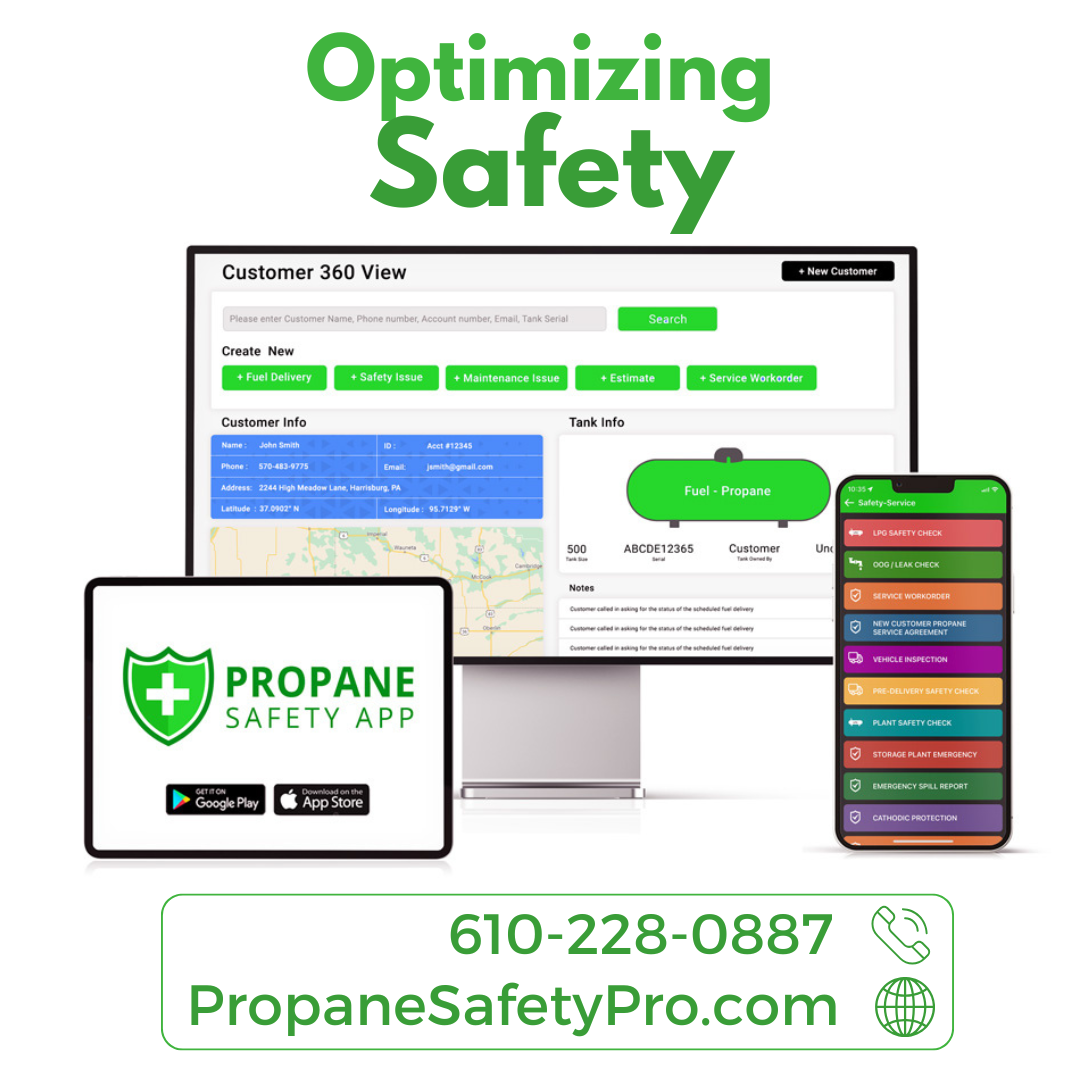
One of the best ways to balance urban and rural routes is through careful route planning. By grouping deliveries, prioritizing high-demand areas, and adjusting schedules based on customer needs, companies can reduce wasted mileage and make better use of their fleets. Digital tools such as route optimization software can provide valuable support by analyzing delivery patterns and suggesting more efficient schedules.
Managing Customer Expectations
Customers in both urban and rural areas want and expect timely service. Communication plays an important role in managing their expectations. Letting customers know when to expect deliveries, offering various scheduling options, and providing updates during delays all serve to help build trust and reduce frustration. Clear communication is especially valuable in rural areas, where longer routes may lead to less flexibility.
Training and Supporting Drivers
Drivers are the key to successful delivery operations. Training them to handle the unique challenges of both urban and rural routes ensures that your company’s service remains both safe and efficient. Drivers should be supported with clear instructions, route information that is updated daily, and the digital tools needed to complete their work effectively.
The Road to Success
For propane companies, balancing urban and rural routes is about efficiency, customer satisfaction, and long-term success. By addressing the specific challenges of each type of route, investing in digital planning tools, and supporting drivers well, businesses can create delivery systems that work in every environment. Companies that master this balance not only save on costs but also strengthen their relationships with customers, ensuring loyalty and trust across both city streets and country roads.