Are PLAN Reports Helping Terminal Wait Times?
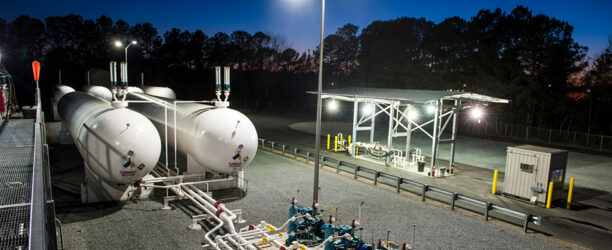
Cold weather is already tightening propane supply chains across many regions, and that pressure is showing up most clearly at terminals. As winter fuel demand rises, drivers are spending more time waiting to load, routes are getting compressed, and dispatch teams are forced to make faster decisions with less flexibility. These delays are not just frustrating; they directly affect safety, compliance, and a company’s ability to keep customers supplied during peak heating season.
That is why the National Propane Gas Association (NPGA) is again encouraging propane marketers, drivers, and dispatchers to report terminal wait times through the Propane Logistics Analysis Network, known as PLAN, through December 31, 2025. PLAN is a data collection tool that captures real-world terminal congestion across the country based on live reports. The information is used to support industry advocacy, including requests for federal hours of service relief during extreme or sustained demand periods. To report terminal delays, go to http://plan.npga.org. It takes less than a minute to report a delay, and the information is extremely useful.
Terminal delays create more than scheduling headaches. Long idle times increase driver fatigue, raise the risk of slips and falls on icy racks, and compress delivery windows later in the day when visibility and road conditions are often worse. Cold temperatures also affect equipment. Hoses stiffen, valves become harder to operate, and gloves reduce dexterity. When drivers are rushed to make up lost time, the chance of missed safety steps rises. Reporting wait times helps document these pressures in a way regulators can clearly see.
PLAN data also has internal value. When dispatch teams consistently review reported wait times, they gain a clearer picture of which terminals are becoming bottlenecks and when congestion peaks. That information can guide routing choices, shift start times, and driver assignments. Over time, patterns emerge that allow operations managers to reduce idle hours and better balance workloads during cold snaps.
As winter continues, consistent reporting becomes a practical step that connects daily operations to broader industry needs. It supports safer driving conditions, smarter dispatch decisions, and stronger advocacy when flexibility matters most. For propane businesses, that connection can make a real difference during the most demanding weeks of the heating season.
Information for this article was provided by the National Propane Gas Association (NPGA).