
Agriculture’s Year-Round Role in Keeping Propane Sales Strong
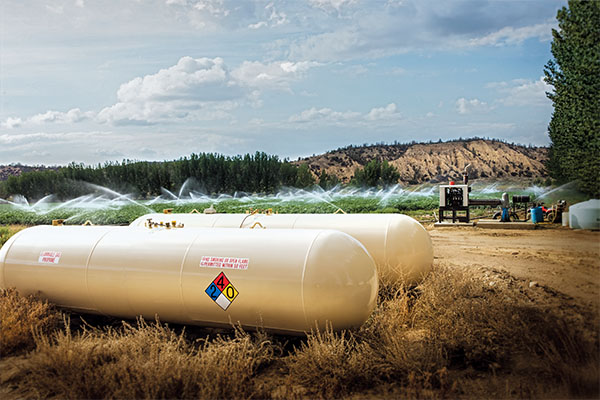
When people think of propane demand, winter heating often comes to mind first. But another major source of year-round demand comes from agricultural uses. Farms and other agricultural operations rely on propane not just during the colder months, but throughout the year. This steady need helps keep propane sales active even when average residential deliveries are lower, thereby creating a dependable market that supports business planning and fuel movement across every season.
Agricultural demand for propane includes crop drying, irrigation engines, greenhouse heat, livestock housing heat, and other farming processes that require steady and reliable energy. These uses do not stop when winter ends, and in many cases demand even rises during harvest and peak production periods. This contributes to a steadier sales base across all twelve months, even as other sectors experience seasonal shifts.
Agricultural Propane Use Is Broad
Across the United States, hundreds of thousands of farms and agricultural businesses use propane in their everyday operations. According to industry sources, over 500,000 agricultural accounts represent a significant share of the overall propane market. This reflects how embedded propane is in the agricultural sector, from powering engines used in irrigation to providing heat for barns and crop processing facilities. Propane fills various needs within this industry that continue to be present year-round.
Crop drying is one of the most prominent agricultural uses of propane. After harvest, crops such as corn and soybeans must be dried quickly to preserve their quality and prevent spoilage. Many operations turn to propane-powered dryers because they can deliver heat rapidly and consistently during harvest peaks in the late summer and early fall. These peak periods can drive elevated propane demand that offsets slower delivery months for other customer types.
Year-Round Needs Beyond Harvest
Crop drying isn’t the only reason agriculture supports continuous propane sales. During colder months, livestock operations may use propane heat to protect animals from low temperatures. Greenhouses also depend on propane for consistent heat in late winter and early spring, when outside temperatures are too low for plant growth. These year-round applications provide demand that keeps delivery schedules active even outside of typical residential heating seasons.
Irrigation systems and other farm equipment can also use propane as a fuel source. In regions where natural gas infrastructure is limited or unavailable, propane fills the gap with a portable and efficient energy option. Its ability to store well and maintain fuel quality over long periods of time makes it a good choice for seasonal equipment that may sit idle for part of the year but requires dependable fuel when it is needed.
Market Data Shows Agricultural Demand
Industry data underscores the vital role that agriculture plays in the overall propane market. For example, reports indicate that agriculture accounted for a meaningful percentage of propane consumption in recent years, contributing hundreds of millions of gallons to total demand. While not the largest single end-use sector, agricultural demand helps fill the gap between peak heating seasons, providing needed volume that supports delivery operations throughout the rest of the year.
This consistent use contributes to a broader trend of expanding propane markets. Propane analysts note that agricultural applications remain a core pillar of demand, supporting stability as residential, commercial, and industrial demand fluctuates with weather and economic cycles.
Business Benefits for Propane Retailers
For businesses in propane distribution and delivery, agricultural demand offers measurable benefits. First, it provides sales that are less tied to winter weather. When residential heating demand falls in spring and summer, agricultural deliveries often rise due to crop harvesting and greenhouse needs. This helps even out revenue flow and reduces extreme seasonal swings in delivery volume.
Second, year-round demand means delivery routes and storage facilities can remain active and productive throughout the year. Instead of a short high season followed by a slow period, a more constant base of agricultural customers helps keep both propane equipment and crews engaged.
Third, strong agricultural demand supports long-term planning for storage capacity and fleet sizing. When a business can anticipate steady deliveries outside of winter, it can invest in storage and logistics that optimize operations for every season, rather than focusing only on the peak winter months.
Finally, maintaining active relationships with agricultural clients can open paths for education on propane use, best practices in safety, and scheduling habits that benefit both customers and delivery operations. These ongoing interactions help strengthen customer loyalty and reinforce propane’s role as a dependable energy source.
Agricultural demand isn’t just a seasonal boost to propane sales; it is a year-round anchor that supports continuous delivery work and stable market demand. For propane distribution and delivery businesses, this need creates reliable sales, steadier operations, consistent cash flow, and stronger planning across all seasons.