Aging Infrastructure Creates Rising Risk for Propane Deliveries
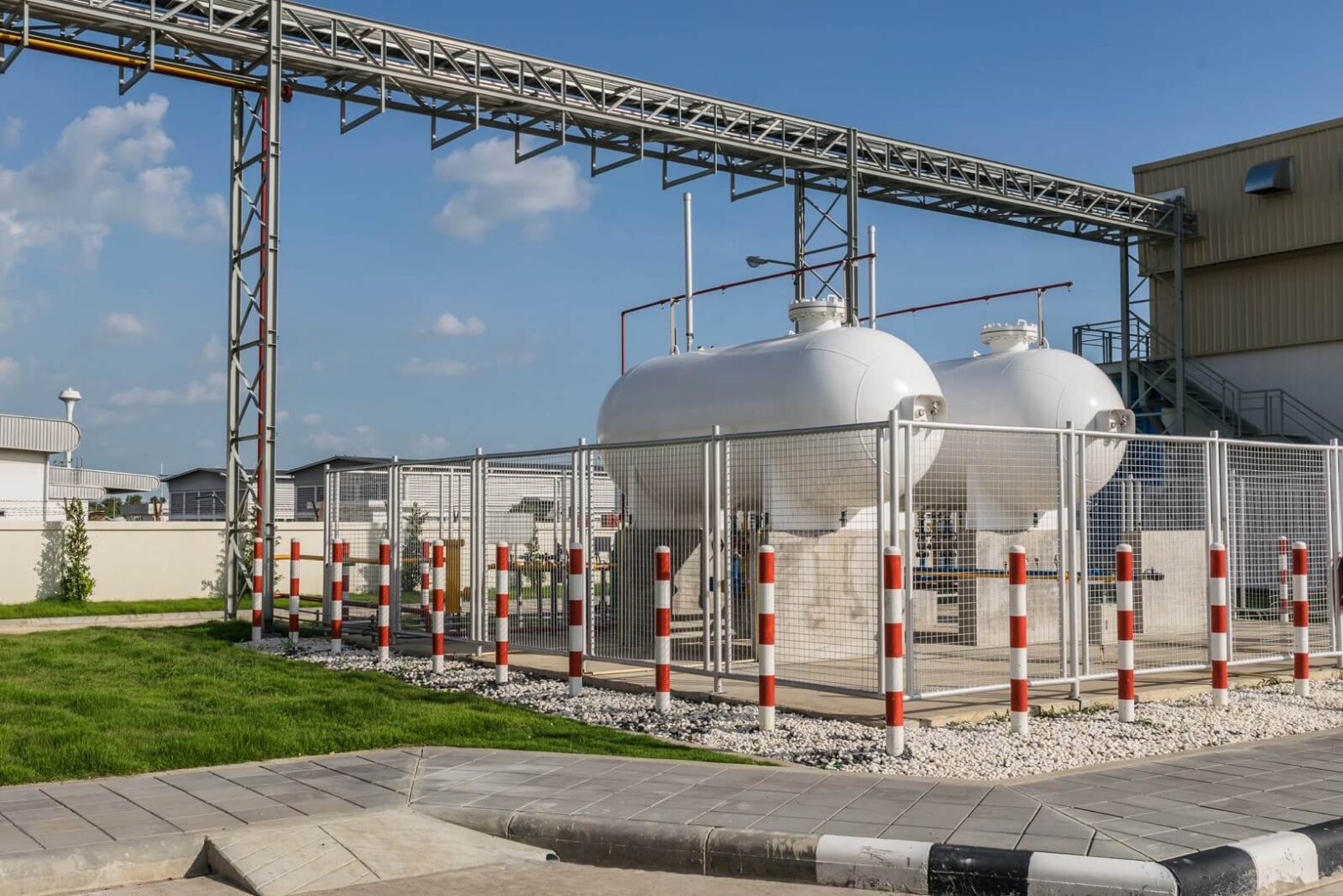
A growing number of reports from industry groups and watchdogs warn that much of the United States’ infrastructure for storing and transporting propane and LPG (liquefied petroleum gas) is getting old. Storage terminals, rail-loading facilities, and pipelines built decades ago are showing signs of wear, decay, or underinvestment. For propane delivery businesses, these warnings are more than just headlines; they signal real risks to supply, safety, and the reliability of fuel deliveries.
The supply chain for propane is complex. After propane is produced (often as a byproduct of natural gas processing or oil refining), it travels through pipelines, rail, or marine transport to large storage terminals. From there, it waits in storage until it is shipped out to distributors and delivered to homes, farms, or businesses. Over recent years, industry analysts have raised concerns that many midstream and storage facilities are aging, and that deferred maintenance, corrosion, or outdated design could lead to disruptions.
What Should Retailers Be Warned About?
Experts note that older pipelines, especially those constructed many decades ago, are prone to problems such as corrosion, weld failures, or sensitivity to extreme weather and pressure changes. These structural weaknesses increase the risk of leaks, shutdowns, or even safety incidents.
Research on fuel storage sites and underground storage facilities also shows that failures – sometimes minor, sometimes serious – have occurred when storage integrity is not well maintained. That makes terminals and storage caverns a potential weak link, especially under high demand situations or in adverse weather.
Because many parts of the supply chain sit well upstream of propane delivery companies, these issues can catch retailers by surprise. A delay at a storage terminal, a rail-loading backlog, or a pipeline shutdown can ripple down, meaning fewer deliveries, sudden shortages, or forced rationing for end customers.
Why Should Retailers Be Concerned?
If supply interruptions occur, delivery companies may struggle to meet customer demand. Orders may take longer to fulfill, or you might need to limit the number of fills you can schedule. In peak winter months, when many households rely on propane for heating, this could lead to customer dissatisfaction, missed deliveries, or even emergency calls.
Beyond scheduling difficulties, there is also the risk of safety problems if gas leaks or storage failures occur. While many of these high-level incidents affect pipelines or storage sites far from consumer tanks, any disruption in the supply chain can delay deliveries. If storage terminals or transport networks become unreliable, the ripple effect might be felt all the way down to local delivery companies.
How Should Retailers Respond?
Given these risks, it’s wise for propane delivery businesses to keep a close eye on the supply chain. That means knowing where your suppliers get their propane – whether from pipelines, rail terminals, or storage hubs – and how stable those sources are.
Building relationships with more than one supply source can help. If one terminal reports a delay or shutdown, having connections to alternate suppliers, perhaps from rail or other terminals, gives you a backup plan. Some companies in the industry have already turned to rail deliveries when pipelines or storage access became limited.
Also, keeping an eye on public reports, trade-association warnings, or regulatory notices about infrastructure health helps you anticipate risks before they hit your routes. That way, you can warn customers early, adjust your delivery schedules, or find alternate supply routes before shortages happen.
What’s the Good News for Retailers?
While aging infrastructure creates real risks, it also opens up unique opportunities for companies that act early. By showing customers you have reliable supply plans, even when wider infrastructure falters, you build trust and loyalty. Customers value reliability, especially when seasonal demand is high or when the fuel supply looks uncertain.
Retailers who plan and diversify their supply may also gain a competitive edge. If some providers struggle with delays or empty tanks, your readiness can win you long-term clients. And for your business, fewer emergency runs, fewer customer complaints, and steadier delivery schedules mean lower costs and smoother operations.
By paying attention to infrastructure warnings and preparing ahead, propane retailers can turn a looming problem into a strategic advantage. Careful planning and flexibility today can help safeguard supply, maintain safety, and strengthen reliability for your business well into the future.