
January 6, 2026
More Commercial Kitchens Are Choosing Propane
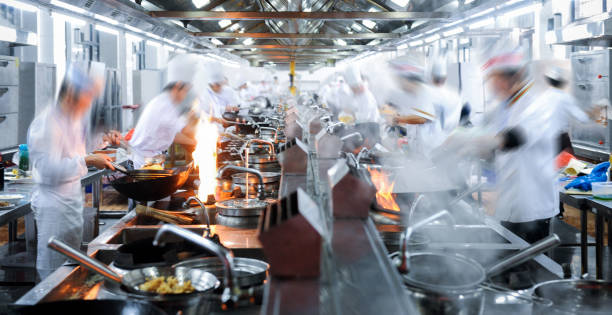
Commercial kitchens across the country are turning to propane more often for their everyday cooking and heating needs. This shift is not a fad; it comes from clear benefits that matter to kitchen performance, energy cost, and business operations. Whether it’s a restaurant, hotel kitchen, cafeteria, or a food preparation facility, propane provides a number of qualities that many commercial establishments find hard to ignore.
The kitchen is one of the most demanding places for energy use. Chefs need strong heat, precise control, and reliable service every hour of operation. Kitchens also use energy for water heating, space heating, and standby power for refrigeration and equipment. When energy sources fall short, the impact is felt in food quality, labor efficiency, and utility bills. Propane meets many of these needs with performance that is often more practical than electric or pipeline-dependent fuels.
Propane Is Efficient and Reliable
One of the main reasons kitchens choose propane is that it heats quickly and evenly. Chefs value fuel sources that respond immediately when a burner is adjusted. Propane gives an almost instant response when heat levels change, which helps maintain consistent food quality throughout service. Faster heat also reduces cooking time and energy waste, which serves to lower overall energy use. Propane equipment tends to heat up faster than electric alternatives, making busy kitchens more efficient and reducing costly delays during service.
Kitchens in rural areas or locations without natural gas pipelines especially benefit from propane’s portability. Unlike natural gas, which depends on fixed infrastructure, propane can be stored on site and delivered as needed. This flexibility means kitchens can be placed almost anywhere without worrying about gas line access.
Propane Can Lower Energy Costs
Cost matters in commercial operations, because energy use is one of the largest utility expenses for kitchens. Propane often offers a cost advantage over electricity or fuels that have higher delivery or generation costs. While natural gas may cost less per unit where pipeline access exists, propane’s efficiency and heat output can lower one’s total energy bills when electric rates are high or infrastructure costs for natural gas are expensive.
When propane appliances heat more quickly and maintain steady temperatures, they waste less time and energy waiting for heat levels to rise or recover. This efficiency can reduce total fuel consumption, which shows up as savings on monthly energy bills. Over time, these savings help commercial kitchens stay competitive without cutting service quality.
Propane Improves Indoor Air Quality
Compared to many fuel sources, propane burns cleaner with fewer emissions of soot and particulates. This clean burn reduces buildup on cooking surfaces and vents, which can decrease the need for frequent deep cleaning and lower the risk of problems with indoor air quality. Cleaner combustion also supports healthier kitchen environments, which is essential in busy food service settings where ventilation and air safety are ongoing concerns.
Propane’s cleaner performance also supports broader environmental goals. While all fossil fuels produce some emissions, propane generally emits less carbon dioxide and particulate matter than many other fuel sources, which helps kitchens reduce their overall impact on the environment.
Propane Supports Other Critical Operations
Commercial kitchens need a reliable fuel source for more than just cooking food. They rely on hot water for cleaning and sanitation, space heating for comfort and safety during cold months, and standby power to protect refrigeration and other critical systems during outages. Propane can power water heaters and backup generators that keep operations running smoothly when electricity fails. This multi-use capability adds reliability that business owners value because it protects food safety and minimizes downtime.
In many food service operations, propane appliances come with a long service life and strong performance records. High-capacity kitchens that run long hours need durable equipment that can handle heavy workloads without frequent repairs or replacements. Propane systems meet these expectations well and often keep energy systems working longer with lower maintenance costs compared to electric alternatives.
Why This Matters for Propane Businesses
The shift toward propane in commercial kitchens highlights growing demand across multiple sectors. For propane providers, this trend means more opportunities to support kitchens with fuel supply, storage solutions, and service contracts. Kitchens that depend on propane need regular refills, timely delivery, and service support throughout the year.
By focusing on the specific needs of commercial kitchens – predictable fuel delivery, safety support, and flexible contracts – propane businesses can build strong customer relationships and stable revenue streams. As more establishments choose propane for its solid performance, cost savings, and reliability, the overall market for commercial propane work grows.
Propane’s role in commercial kitchens continues to expand because it meets practical needs that directly affect kitchen performance and operating costs. This trend benefits propane businesses by increasing demand not only for fuel but for the full range of services that support successful commercial kitchen energy use.
If you are a propane marketer, consider reaching out to the food service sector as an innovative way to grow your bottom line and better serve your community. With the many benefits and clear operational advantages it presents, this practical fuel choice is a win-win for all.