December 23, 2025
India’s Growing Interest in U.S. LPG Signals Long-Term Supply Competition
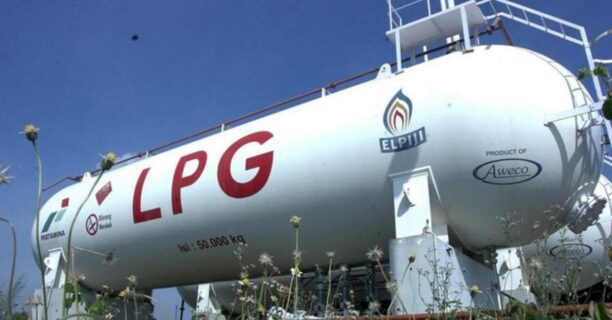
Recent long-term LPG contracts between U.S. suppliers and India highlight a significant shift in global propane and LPG dynamics. India, one of the world’s fastest-growing LPG markets, is actively securing long-term supply agreements to support expanding household and commercial usage. These contracts, set to begin in the next few years, demonstrate increasing international demand for U.S. LPG and suggest that global market factors will play a growing role in shaping domestic supply conditions.
For U.S. propane delivery companies, the immediate operational impact is limited, but the long-term implications are noteworthy. As more U.S. propane is committed to export contracts, domestic supply may face tighter competition during periods of high demand or colder-than-expected winters. Retailers that rely heavily on spot-market purchases may experience increased price volatility or reduced availability, making proactive supply planning more important than ever.
The trend also underscores the interconnection between global and local propane markets. Historically, U.S. propane inventories and domestic demand dictated retail pricing and supply stability. Today, international buyers are increasingly influencing price signals, which can ripple into domestic contracts and spot markets. Delivery companies that maintain flexible procurement strategies, diversify suppliers, and consider early contract commitments are better positioned to navigate these fluctuations.
Operational considerations extend beyond supply costs. Export-driven demand can affect scheduling, storage utilization, and delivery planning. Retailers may need to evaluate tank capacity, optimize fleet routes, and adjust pre-buy strategies to maintain consistent service levels. These adjustments help ensure that domestic customers – residential, commercial, agricultural, and industrial – continue to receive reliable propane service even as global demand grows.
While long-term contracts with India signal a more competitive supply landscape, they also emphasize the need for strategic foresight. Propane delivery companies that understand emerging global market trends can better anticipate seasonal price pressures, plan fleet and inventory management, and sustain operational stability in an increasingly interconnected LPG market.
By monitoring export commitments, international demand shifts, and domestic inventory trends, U.S. propane retailers can maintain consistent delivery service while preparing for potential supply constraints or cost changes in future seasons. Proactive planning now can mitigate risks associated with long-term global demand growth and help delivery companies remain competitive and reliable.