December 23, 2025
How Ready Is Your Team for Driver Recruitment This Winter?
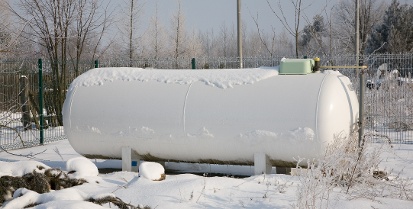
Winter supply disruptions and extended driver hours continue to expose staffing gaps at propane delivery companies, making early driver recruitment and structured training critical to maintaining safety, service reliability, and customer trust.
Winter has arrived with increased propane demand, just as supply-side disruptions have placed added strain on delivery operations. In mid-December, a significant issue at a major propane distribution terminal in Pennsylvania slowed loading operations and created long wait times for transport and bobtail drivers. As demand climbed during cold snaps, these delays quickly affected downstream deliveries. In response, New Jersey Governor Phil Murphy declared a state of emergency to temporarily extend driver hours and keep propane flowing to homes that rely on it for heat.
Similar pressures have been reported in neighboring states, underscoring how quickly winter weather conditions can stretch delivery capacity. For many propane companies, these situations highlight an ongoing challenge – having enough qualified drivers available when demand spikes. When staffing is tight, companies are often forced to rely on longer shifts from existing drivers, thereby increasing fatigue, safety risks, and the likelihood of service delays during the most critical weeks of the season.
Winter driving conditions add another layer of difficulty. Ice-covered roads, snow-packed driveways, reduced daylight hours, and freezing temperatures all increase the risk of delays, accidents, and vehicle issues. These realities make proper training and staffing levels essential, not only to meet delivery schedules but also to protect drivers, equipment, and the company’s reputation in the community.
One practical option for addressing these challenges is the registered apprenticeship program offered by the National Propane Gas Association (NPGA). This program provides paid, hands-on training pathways for bobtail operators, transport drivers, and other key industry roles through the Certified Employee Training Program. Propane companies may be eligible for federal funding assistance to help cover training costs, helping to reduce the financial burden of onboarding new employees. To learn more about this program, go to npga.com.
By investing in driver recruitment and training ahead of peak winter demand, propane marketers can do much to reduce employee burnout, improve safety, and build a more resilient operation capable of handling unexpected disruptions when customers need them most.