September 26, 2025
Staying Prepared for Field Inspections

Safety and compliance are at the core of daily operations for propane businesses. Regulators often conduct field inspections to make sure companies are following established standards that protect both employees and customers. While some inspections are scheduled, others happen without notice. These surprise inspections can cause stress for unprepared teams, but with the right approach, they can be handled with confidence.
Being ready for an inspection involves building a culture of safety and consistency every single day. When practices, documentation, and training are kept up-to-date, inspections become simple routine checks instead of stressful events. The more prepared your company is, the easier it will be to successfully demonstrate that your operations meet industry expectations, thus guaranteeing a thumbs-up from the inspector(s).
Keeping Records Organized
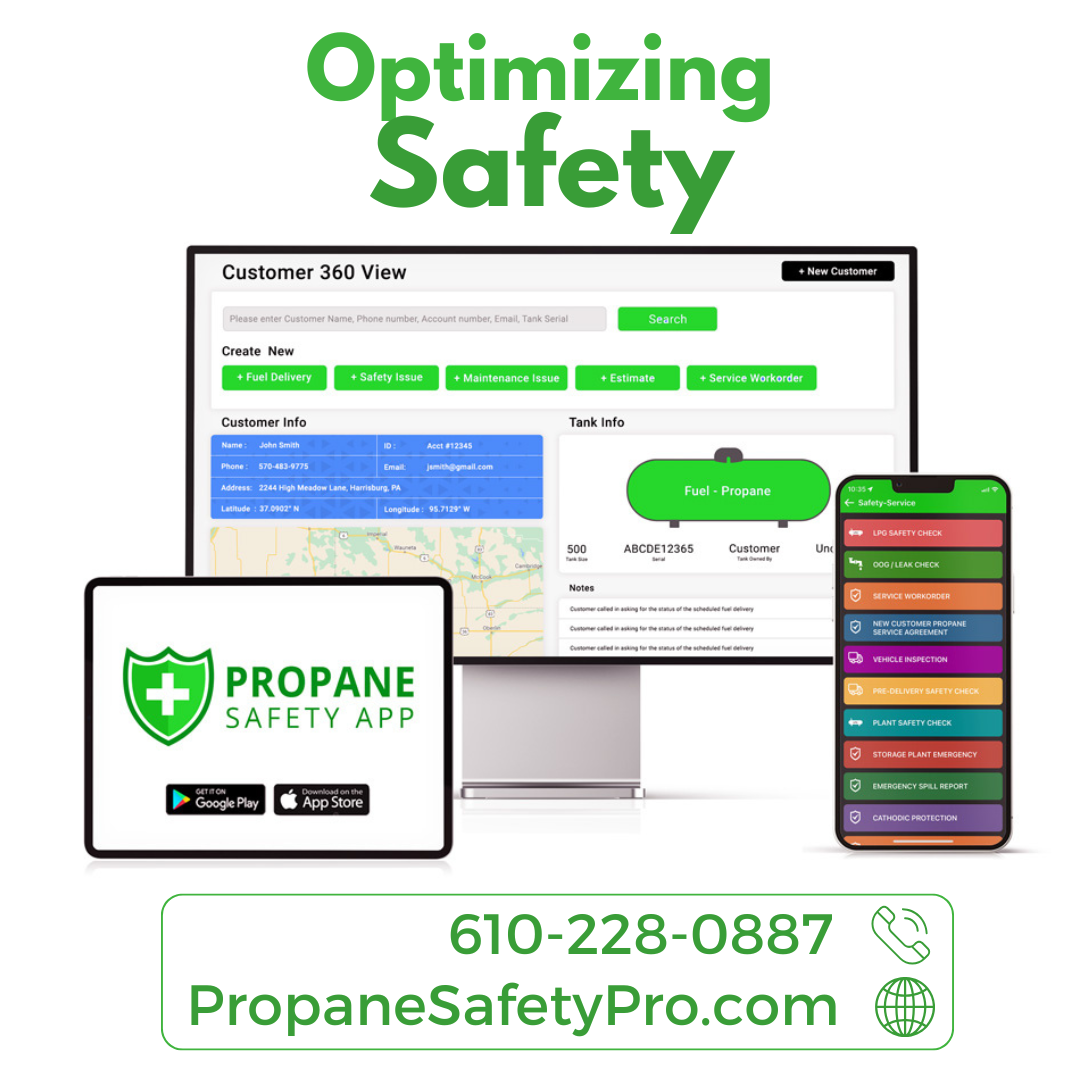
One of the first things inspectors look for is proper documentation. All records of tank inspections, employee training, maintenance logs, and safety checks should be easy to access and up-to-date. Storing this information in a clear and organized system ensures that nothing is missing when asked for during an inspection. If solid systems managing these types of documentation are not already in place within your company, now is the time to set that up and get your records in order. Digital systems offer much greater efficiency and error-free record-keeping, making them a preferable choice over old school paper files.
Training Employees for Daily Readiness
Employees play a central role during inspections. If they are unsure of safety procedures or cannot explain how certain tasks are performed, that will raise concerns. Training employees regularly on safety protocols, customer communication, and inspection processes will do much to ensure that they can confidently respond to questions. Consistent training also reinforces strong habits and proper implementation of safety protocols that reduce the risk of violations.
Maintaining Equipment and Facilities
Inspectors will primarily review your equipment, tanks, and facilities to check that they meet all established safety codes. Routine maintenance helps ensure that regulators find everything in proper working condition. Regular inspections by your own staff, combined with timely repairs, will do much to prevent small issues from becoming major problems during a surprise visit. That proactive practice will save you money and increase the efficiency of your business on a daily basis as well.
Establishing Clear Safety Procedures
Well-defined safety procedures make it easier to demonstrate compliance. From how tanks are filled to how leaks are handled, every process should follow established industry standards. Posting clear instructions in visible areas and reinforcing them with regular employee training helps demonstrate to inspectors that your company prioritizes safety and communicates it clearly in multiple ways.
Conducting Internal Inspections
One way to stay prepared is by performing your own internal inspections. These self-checks highlight areas where improvements are needed and help ensure that compliance is maintained at all times. Internal reviews also give employees practice in answering questions and presenting documentation, while giving managers and business owners a solid overview of the quality (or lack thereof) of their operations.
Cultivating Preparedness
For propane companies, being ready for surprise inspections is not only about passing a regulatory checklist. Rather, it is about protecting employees, customers, and the long-term reputation of the business. By keeping records organized, regularly training staff, properly maintaining equipment, and reinforcing solid safety practices every day, companies will be ready to approach inspections with confidence. Prepared businesses save time, avoid costly penalties, and show both customers and industry authorities that they take safety seriously. This commitment builds trust and positions propane companies as reliable fuel partners in their communities.