September 12, 2025
Smarter Workflows for Stronger Propane Warehouses
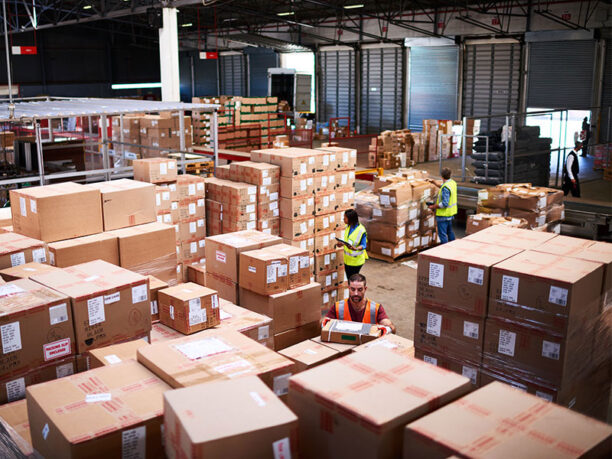
A propane warehouse is more than a storage site. It is the central hub where products are received, organized, and distributed to customers who depend on timely service. When warehouse workflows are smooth, deliveries stay on schedule, safety risks are reduced, and employees can work with confidence. But when operations are unorganized, even small delays or mistakes can ripple through the entire business, creating frustration for customers and higher costs for the company.
Improving efficiency in propane warehouses does not mean rushing the work. Rather, it’s about creating clear systems that make every task easier, faster, and safer. From proactively organizing space and equipment to training staff and utilizing technology, better workflows strengthen the foundation of a propane company’s success.
Organizing Warehouse Space
A well-organized warehouse saves both time and effort. Clear pathways, designated storage zones, and logical layouts help employees move cylinders, tanks, and equipment without wasted steps. Proper labeling and signage serve to reduce errors and ensure that everyone knows exactly where products belong. An organized warehouse also improves safety, as clutter-free areas reduce the risk of accidents.
Streamlining Inventory Management
Propane companies must keep a close track of inventory to avoid shortages or overstock. Efficient workflows depend on knowing how much product is available at any given time. Systems for tracking inventory, preferably done using digital software, allow managers to forecast demand and schedule refills more accurately. Regular audits help maintain accuracy and prevent costly mistakes.
Maintaining Equipment
Cylinders, tanks, and handling equipment are used daily in warehouses. If equipment breaks down, workflows slow, and safety can be compromised. Regular maintenance of all warehouse equipment does much to ensure that everything is reliable and in good working order. Preventative care for forklifts, pumps, and scales reduces downtime and helps employees work without interruption. Reliable equipment is a cornerstone of efficient warehouse operations.
Training Employees on Best Practices
Employees are the drivers of warehouse workflows. Training them in safe handling, storage procedures, and efficient work habits ensures tasks are done consistently and correctly. Ongoing training refreshes their skills and introduces new practices and technology that save time. When employees are well-prepared, they work more confidently and contribute to a safer and more productive work environment.
Improving Communication Across Teams
Clear communication is critical in a busy warehouse. Misunderstandings can lead to misplaced inventory, missed deliveries, or duplicated work. Regular team meetings, visible scheduling boards, or digital updates keep everyone informed and aligned. When communication is strong, problems are identified quickly, and solutions are put in place before small issues grow into bigger problems.
Using Digital Tools
Technology can simplify warehouse tasks and reduce errors. Digital dashboards, mobile apps, and barcode systems help track inventory, monitor orders, and improve accountability. These invaluable tools provide practical, real-time information that managers can use to make more well-informed decisions. Even small technology upgrades can make a big difference in warehouse efficiency.
Focusing on Safety
While efficiency is important, it should never come at the expense of safety. Clear safety procedures, proper protective gear, and regular inspections keep employees protected while ensuring smooth operations. A safe warehouse is not only a much better work environment for team members, but it also results in fewer delays, fines, or other types of unwanted disruptions that can harm the business.
Positives for Propane Businesses
For propane companies, efficient warehouse workflows are directly tied to customer satisfaction and profitability. A warehouse that is organized, well-staffed, and supported by reliable equipment and digital tools can handle more volume with fewer mistakes. By investing in training, communication, and safety, companies reduce costs, strengthen reliability, and build trust with customers. Better workflows lead to smoother operations, stronger service, and a propane business that is prepared to grow with confidence.