September 2, 2025
Certifications and Compliance: A Smarter Path for Propane

Fuel delivery, tank installations, and customer service comprise the most visible components of propane retail operations. However, behind those business aspects that everyone sees is another set of corporate essentials – a series of industry certifications and licenses that ensure safety, compliance, and trust. From state-level permits to employee training requirements, these required certifications are the foundation of operating a safe and legal business. Yet for many propane companies, the certification process can feel overwhelming with paperwork, deadlines, and ever-evolving regulations creating extra challenges.
Simplifying certifications is not about cutting corners but about making the process manageable and consistent. When businesses keep their certifications up-to-date and well-documented, they do much to avoid costly fines, reduce liability, and show customers that they take safety seriously. For company owners and managers, creating solid systems to manage certifications can save time, reduce stress, and keep the business focused on growth.
Why Certifications Matter
Simply put, certifications protect both businesses and customers. They confirm that employees are properly trained to handle propane, equipment is maintained to code, and facilities meet safety standards. Without them, companies face serious risks, including regulatory penalties, higher insurance costs, reduced safety, and loss of customer trust. Staying current with all required certifications also ensures compliance with codes such as NFPA 58 and OSHA regulations, which are designed to safeguard both employees and the communities they serve.
Common Challenges in the Process
Propane businesses often struggle with certification management for a few reasons. Paper-based recordkeeping can easily lead to misplaced documents or missed deadlines. Employees may need refresher training, but without proper tracking, managers may not realize certifications have expired until it’s too late. Regulatory updates add another layer of complexity to the process, requiring companies to adjust quickly to new industry guidelines and protocols.
Creating a System That Works
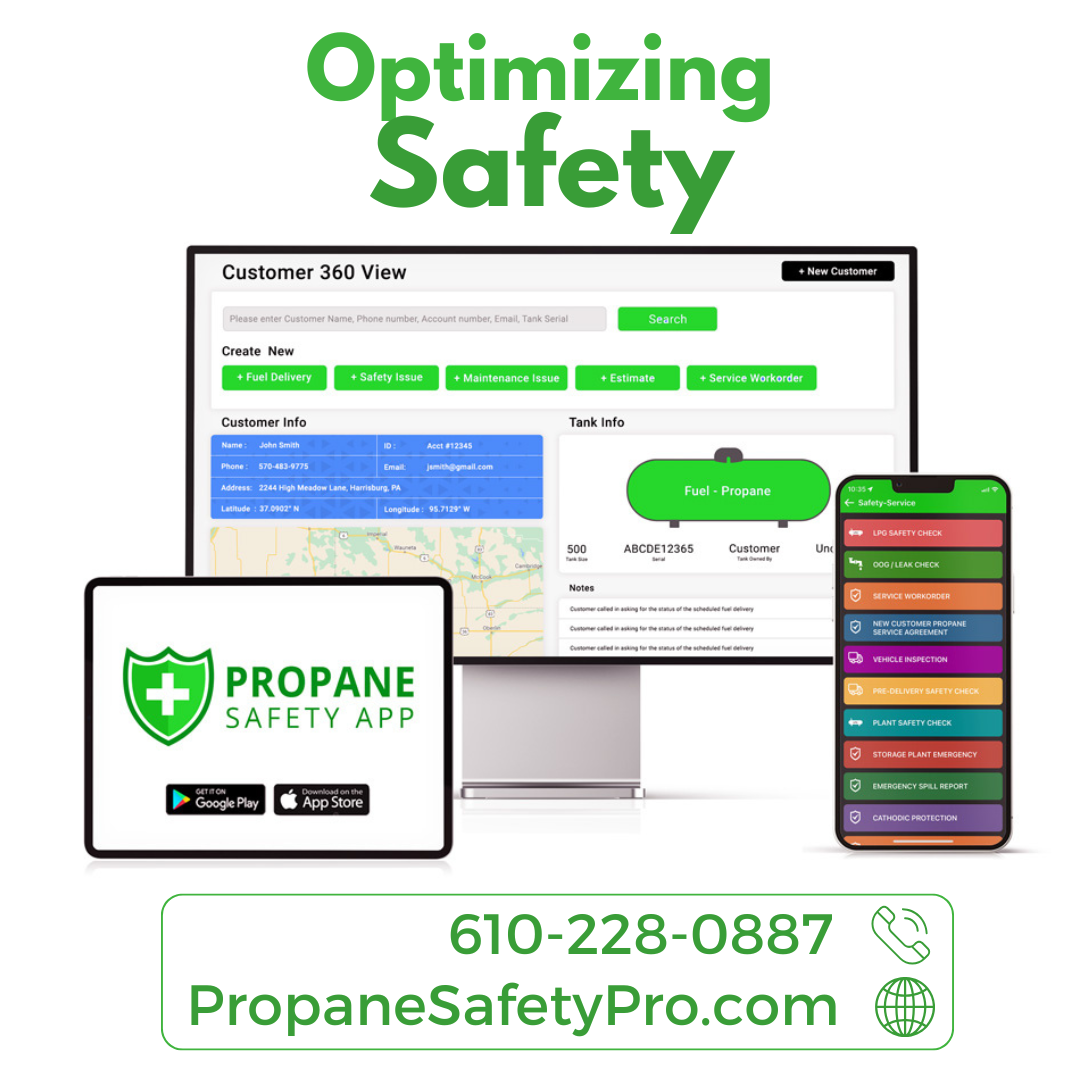
To simplify certification management, propane companies should establish clear and consistent systems. Digital tracking tools can help monitor employee certifications, inspection logs, and renewal deadlines all in one place. Regular internal audits allow managers to identify gaps before regulators do. Standardized training schedules also make it easier to ensure that employees stay compliant year after year. These proactive steps will help turn a complicated process into a routine part of business operations.
The Value of Training and Communication
The goal behind certifications is more than just passing required benchmarks. Rather, they are about building a culture of safety and keeping businesses strong and protected at all times, in every way. When employees understand why certifications matter and are given proper training, they are more likely to follow procedures consistently. Clear communication between managers and staff ensures that no one is left unsure about their responsibilities. This approach makes certification a shared commitment rather than a managerial burden.
A Smarter Way Forward
For propane companies, simplifying the certification process contributes to both immediate compliance as well as long-term success. A well-organized certification system protects against penalties, enhances safety, reduces legal risks, and demonstrates professionalism to customers and regulators alike. It also frees up time and resources to focus on service quality and business growth. By making certifications more efficient and easier to manage, propane businesses can operate more confidently while strengthening their reputation as responsible, safe, and reliable energy providers.