August 12, 2025
Smarter School Fleets: Why Buses Run Better on Propane
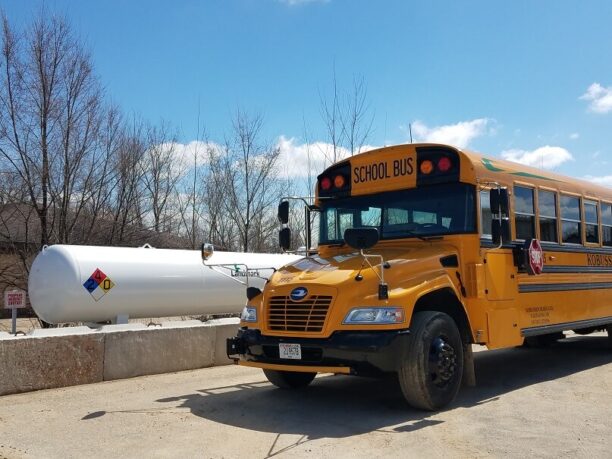
School districts prioritize safe, cost-effective, and environmentally responsible transportation solutions to ensure reliable student services. Propane-powered school buses have emerged as a compelling option, offering reduced maintenance demands and operational efficiency compared to diesel alternatives. For those seeking dependable and sustainable fleet operations, propane’s benefits are particularly significant for school bus maintenance. Its clean-burning properties and operational advantages streamline upkeep and enhance fleet performance. This guide examines the maintenance benefits of propane school buses, presented formally to lead school administrators and propane businesses in optimizing transportation strategies.
Reduced Engine Wear and Maintenance Costs
Propane autogas, used to power school buses, burns cleaner than diesel, significantly reducing engine wear and associated maintenance costs. Unlike diesel, which produces high levels of particulate matter and soot, propane’s clean combustion minimizes carbon deposits and sludge buildup in engines. This results in extended oil change intervals, often 50% longer than diesel, reducing maintenance frequency by up to 30%. Propane buses require fewer repairs for components like exhaust systems and fuel injectors, with maintenance costs averaging 20–25% lower than diesel counterparts. These savings will allow school districts to allocate their budgets to educational priorities while still maintaining reliable transportation.
Simplified Fuel System Maintenance
The fuel system of propane-powered buses is less complex than that of diesel vehicles, contributing to easier and less costly maintenance. Propane autogas systems operate at lower pressures (150–200 psi) compared to diesel’s high-pressure common-rail systems, reducing wear on fuel pumps and injectors. The absence of diesel particulate filters or selective catalytic reduction systems eliminates the need for costly regenerations or urea fluid refills, which can cost $500–$1,000 annually per diesel bus. Propane’s non-toxic nature prevents corrosion in fuel lines, further simplifying upkeep. These factors streamline maintenance processes, ensuring buses remain operational with minimal downtime in a busy school district’s demanding schedules.
Enhanced Cold-Weather Performance and Reliability
Propane buses exhibit superior performance in winter weather, a critical advantage during events like cold snaps and snow storms. Unlike diesel fuel, which can gel at temperatures below 15°F, propane autogas remains fluid and reliable down to -40°F, eliminating the need for fuel additives or heated storage. This reliability reduces maintenance issues related to fuel system clogs or engine starting failures, which can cost $200–$500 per incident for diesel buses. Propane’s consistent performance ensures buses are ready for daily routes, minimizing disruptions and maintenance-related expenses, particularly in regions with harsh winters.
Environmental and Regulatory Compliance Benefits
Propane’s environmental profile supports school districts in meeting stringent emissions regulations while reducing maintenance burdens. Propane autogas produces up to 25% fewer greenhouse gas emissions, 60% less nitrogen oxides, and 90% less particulate matter than diesel, aligning with 2025’s air quality standards. The absence of complex emissions control systems, required for diesel buses to comply with EPA mandates, eliminates maintenance costs for components like diesel particulate filters, which can exceed $5,000 per replacement. Renewable propane, derived from bio-based feedstocks, further enhances sustainability, offering a near carbon-neutral option. These benefits reduce regulatory compliance costs and maintenance overhead, supporting cleaner, cost-effective fleets.
Long-Term Durability and Lifecycle Savings
Propane buses offer enhanced durability, contributing to long-term maintenance savings. Engines running on propane autogas experience less internal wear, extending lifespan by 10–15% compared to diesel engines, which typically last 300,000–400,000 miles. Propane buses require fewer overhauls, with rebuild costs averaging $10,000 less than diesel. The fuel’s domestic production – over 90% of U.S. propane is sourced locally – ensures stable pricing, shielding districts from diesel’s global market volatility. Combined with lower fuel costs (30–50% less per gallon equivalent), these factors yield lifecycle savings of $3,000–$6,000 per bus annually, maximizing budget efficiency.
Strengthening School Transportation with Propane
The maintenance benefits of propane-powered school buses deliver significant advantages for today’s school districts. Reduced engine wear lowers repair costs, freeing resources for educational needs. Simplified fuel systems streamline upkeep, minimizing downtime. Cold-weather reliability ensures consistent service, critical during harsh conditions. Environmental compliance reduces regulatory costs, enhancing sustainability. Long-term durability drives lifecycle savings, optimizing budgets. Whether a school system’s particular challenges include fiscal constraints or weather volatility, these benefits empower all districts to maintain safe, efficient transportation. At the same time, propane businesses can expand market share by meeting fleet demands for cost-effective, reliable solutions.
Advancing Sustainable School Bus Fleets
Propane businesses that promote these maintenance and cost benefits position themselves as key partners for school districts. Their focus on efficiency, reliability, and sustainability addresses critical transportation needs in the educational arena. This strategic approach drives market growth and establishes propane autogas as a leading fuel for school bus fleets in the 2025-2026 academic year and beyond.