July 22, 2025
Overloaded Trucks? Here’s How to Stop It Before It Starts
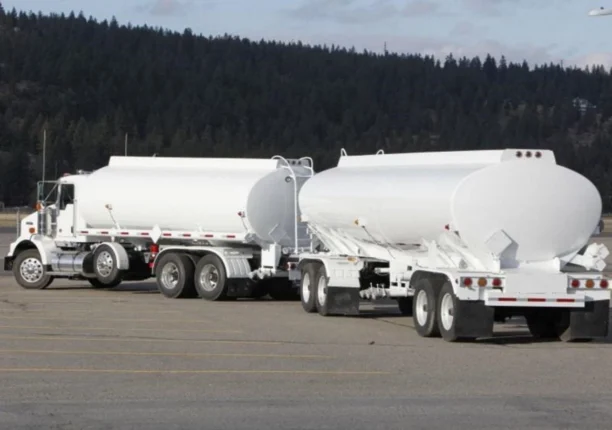
In propane delivery, safety and timing are everything. When a truck is too heavy, even by a small amount, it puts your drivers, your equipment, and your business at risk. Overloading doesn’t just cause wear and tear on your trucks; it can lead to serious accidents, breakdowns, and fines. You may not notice the cost right away, but it adds up over time. That’s why tracking weight should be part of your daily routine and not just a once-in-a-while check.
A simple system to monitor and control truck weight can save you money, protect your people, and keep your operations running smoothly. The good news is that you don’t need expensive tools to make it work. You just need the right steps and habits to be in place.
Know Your Vehicle Limits
Each delivery truck has a weight limit set by the manufacturer. It’s called the Gross Vehicle Weight Rating (GVWR). This number includes the truck, the fuel, the driver, the equipment, and the propane load. If you go over this limit, your brakes may not work as well, and you could damage your suspension or tires. Make sure everyone who loads or drives your trucks knows what the GVWR is. Post it inside the cab if needed. Staying under that number should always be the goal.
Track Tank Fill Levels Carefully
One of the easiest ways to avoid overloading is by checking how full your tanks are before and after filling. Propane weighs about 4.2 pounds per gallon, so it doesn’t take much to put a truck over the limit. Train your team to do the math and adjust loads when needed. If one stop uses less fuel than planned, that doesn’t mean you should fill the truck to the top on the next load. Use a log or a simple software tool to record each load. This helps avoid guesswork and keeps things consistent.
Use Scales at Key Points
If your team has access to a scale – either at your plant or a local weigh station – make it part of your routine. Even just spot-checking one or two trucks per week can help you catch problems early. If you don’t have a scale nearby, portable axle scales can be a good option for larger operations. Weighing your trucks from time to time builds awareness and keeps drivers thinking about safe loads.
Train Drivers to Check for Signs of Overload
Sometimes, drivers can spot problems before they grow. Teach them what to look for and remind them that these checks should be part of every pre-trip routine. Items to check include sagging rear suspension, tires that bulge, longer stopping distances, or harder steering. If something doesn’t feel right, they should speak up. Encouraging this kind of feedback shows your team you trust them and want them to be safe.
Keep a Simple Load Tracking Sheet
A paper or digital sheet with a few key columns – truck ID, starting weight, propane loaded, and final weight – is often enough to detect bad habits or errors. You can review this load tracking sheet weekly to look for trends. If certain trucks are always close to the limit, you may need to adjust your delivery planning. This simple tool keeps your team honest and provides an important piece of documentation.
Why Safe Loads Protect More Than Trucks
When you take the time to track weights and prevent overloading your trucks, you build trust. Customers get better service when your trucks arrive on time and without delays. Drivers feel safer when they know their vehicle is loaded correctly. Additionally, your company avoids costly surprises like breakdowns or fines. This kind of small routine leads to big wins. It means fewer repairs, better driver retention, and a reputation for doing things the right way. Keeping your loads in check protects more than just your trucks – it protects your entire business.