July 21, 2026
EIA Forecast Signals Strong Propane Supply — and Possible Relief for Customers
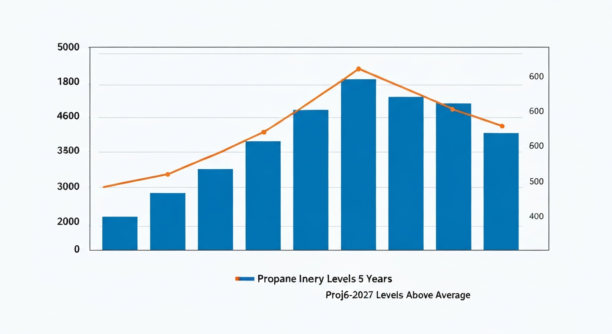
High Inventory Levels Could Pressure Prices Through Late 2026
The propane market may be heading into one of its most stable supply periods in recent years. According to the latest forecast from the U.S. Energy Information Administration, propane inventories are expected to remain above the five-year average through late 2026, with stockpiles projected to peak in October ahead of the winter heating season.
For propane retailers and delivery companies, that outlook could create both opportunity and pressure. Higher inventory levels generally help stabilize supply and reduce the risk of sharp winter price spikes. At the same time, falling wholesale prices can compress margins if companies are carrying higher-cost inventory. The result is a market that rewards disciplined purchasing, smart pricing strategies, and strong inventory management.
Why Propane Inventories Are Climbing
Several factors are contributing to the supply buildup. Domestic natural gas production remains strong, continuing to generate large volumes of natural gas liquids, including propane. Refinery output has also stayed steady, while back-to-back milder winter seasons reduced the inventory drawdowns typically seen during peak heating demand.
The EIA expects inventories to continue building into the fall, creating a more comfortable supply cushion heading into winter. For customers, that could translate into more stable residential pricing and fewer emergency supply concerns during periods of severe weather. For retailers, however, abundant supply changes the competitive landscape.
What Lower Prices Mean for Propane Businesses
When inventories rise, wholesale propane prices often soften. That can benefit marketers looking to secure lower-cost supply contracts, but it can also create challenges for companies holding expensive inventory purchased earlier in the year. Retailers may also face increased pricing competition as suppliers work aggressively to move product. Still, many operators see opportunity in the current environment.
Lower propane prices can help companies:
• Promote fixed-price and budget-payment programs
• Attract price-sensitive residential customers
• Encourage fleet conversions to propane autogas
• Expand agricultural and commercial accounts
• Lock in winter supply at more predictable rates
For fleet operators and commercial users already dealing with rising diesel costs, competitive propane pricing could make alternative-fuel decisions easier.
Inventory Management Will Matter More Than Ever
In a high-supply market, purchasing discipline becomes critical. Companies that overbuy early in the season risk carrying inventory that loses value as wholesale prices decline. On the other hand, businesses with flexible purchasing strategies may be able to capture lower replacement costs and improve margins later in the year. Industry analysts say successful retailers will focus on:
- Monitoring Supply Trends Closely – Weekly inventory reports and regional supply updates can provide early signals about pricing direction.
- Managing Storage Strategically – Companies should evaluate how much product they truly need on hand versus how much can be purchased opportunistically throughout the season.
- Communicating With Customers Early – Stable market conditions create a good opportunity to promote pre-buy programs, budget plans, and long-term customer agreements.
- Protecting Margins Carefully – Even in a softer market, disciplined pricing remains important. Aggressive discounting can quickly erode profitability if operational costs remain high.
A Competitive Window for Growth
The EIA forecast may ultimately create a rare advantage for growth-oriented propane marketers. When supply is stable and pricing is predictable, companies can focus less on crisis management and more on customer acquisition, operational efficiency, and service improvements.
Retailers with strong delivery operations, flexible supply agreements, and proactive customer communication may be able to gain market share while competitors remain cautious. The companies that move strategically – instead of reactively – will likely be in the strongest position heading into the 2026 heating season.