July 17, 2026
Why Every Bobtail Driver Is the First Line of Defense Against Propane Emergencies
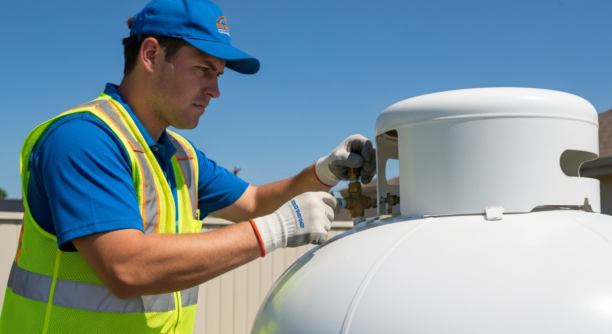
A propane delivery doesn’t end when the hose is disconnected and the paperwork is complete. Every stop presents an opportunity to identify a problem before it becomes a serious incident. Propane leaks and residential explosions serve as reminders that early detection often makes the difference between a routine service call and a major emergency. For propane companies, the first person to recognize a developing hazard is frequently the delivery driver.
Safety Starts Before the Delivery
Experienced bobtail operators understand that inspections begin long before product enters the tank. A thorough walk-around before leaving the bulk plant and another careful inspection at the customer’s location help identify equipment problems that might otherwise go unnoticed.
Visible damage to the tank, regulators, piping, valves, or fittings should never be dismissed as routine wear. Drivers are also trained to pay attention to less obvious warning signs, including the odor of propane, hissing sounds, frost forming on regulators or fittings, excessive corrosion, disturbed soil around underground systems, or dead vegetation that could indicate a leak. While not every unusual condition signals an emergency, each deserves careful evaluation according to company procedures.
Small Observations Can Prevent Major Incidents
Many propane emergencies begin with relatively minor issues that worsen over time. A loose fitting, damaged regulator, deteriorated hose, or leaking valve may initially produce only a slight odor or a barely noticeable pressure loss. When drivers recognize these warning signs early and report them immediately, repairs can often be completed before customers are placed at risk or emergency responders become involved. This level of awareness comes from experience, regular safety training, and following inspection procedures consistently rather than relying on assumptions.
Every Driver Should Know the Emergency Plan
Detecting a leak is only part of the job. Drivers must also know exactly how to respond. Company emergency procedures should clearly define when to stop operations, notify dispatch, contact emergency responders, secure the area, and prevent potential ignition sources from creating additional hazards.
Fast, well-coordinated communication allows propane companies to protect customers, support first responders, and reduce the likelihood of injuries or property damage. Regular refresher training helps ensure these procedures become second nature, even during high-pressure situations.
A Strong Safety Culture Protects the Business
Every preventable incident carries financial consequences that extend well beyond equipment repairs. Regulatory investigations, insurance claims, legal expenses, operational downtime, and damage to a company’s reputation can far exceed the cost of investing in driver training and routine inspections.
Companies that emphasize observation, documentation, and consistent safety practices reduce operational risk while strengthening customer confidence. A reputation for professionalism and safe operations often becomes a competitive advantage in the communities they serve.
Vigilance Is Part of Every Delivery
Technology continues to improve propane operations, but no monitoring system replaces a trained professional standing in front of the equipment. Bobtail drivers remain one of the industry’s most valuable safety resources because they see propane systems in real-world conditions every day.
When every delivery includes a careful inspection, prompt reporting of unusual conditions, and strict adherence to established safety procedures, small problems are more likely to be resolved before they become major emergencies. That’s good for customers, good for employees, and good for the long-term health of every propane business.