
July 3, 2026
NPGA White Paper Positions Propane as a Reliability Partner in an Electrified Future
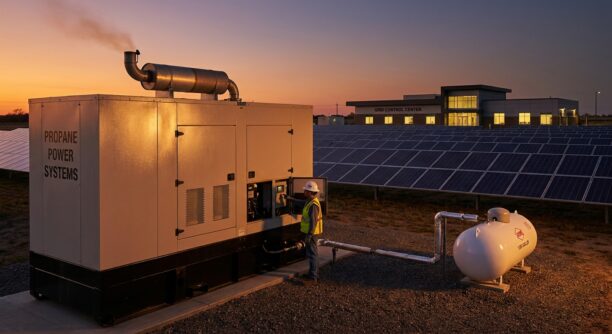
As states continue pursuing electrification initiatives across residential, commercial, and transportation sectors, questions surrounding grid reliability are becoming increasingly difficult to ignore. Extreme weather events, rising electricity demand, and the rapid expansion of renewable generation have prompted policymakers and energy providers to examine how reliability can be maintained during periods of peak consumption.
A new white paper from the National Propane Gas Association’s State Affairs team addresses those concerns directly. Titled The Reliability Challenge: Electrification and the Future of Energy Security, the report explores the growing pressures facing the electric grid and outlines how propane can contribute to a more resilient energy strategy.
The paper arrives at a time when many states are encouraging greater adoption of electric technologies. While these efforts are intended to reduce emissions and modernize energy infrastructure, they also place additional demands on electrical systems that are already facing capacity challenges in some regions. The report argues that reliability must remain a central consideration as policymakers shape future energy frameworks.
One of the key themes of the white paper is the role of energy diversity. As renewable resources such as wind and solar continue to expand, their variable nature creates challenges that must be addressed through complementary energy solutions. According to the report, propane’s ability to be stored on-site and deployed when needed positions it as an important resource during power disruptions, peak demand events, and emergency situations.
Backup power applications are highlighted as one area where propane can provide immediate value. Unlike grid-dependent energy sources, propane-fueled generators can deliver power during outages without requiring extensive infrastructure investments. This capability becomes particularly important for critical facilities, emergency services, businesses, and households that cannot afford prolonged interruptions.
The white paper also discusses the growing opportunity for propane to work alongside emerging smart grid technologies. Rather than viewing propane and electrification as competing concepts, the report presents them as complementary components of a broader energy strategy. In this model, propane helps support reliability while renewable generation and electrification continue to expand.
For propane marketers, the findings point to potential opportunities beyond traditional heating markets. Backup power systems, emergency preparedness planning, and resilience-focused energy projects are becoming increasingly important topics for municipalities, utilities, healthcare facilities, and commercial property owners. Companies that can effectively communicate propane’s reliability advantages may find new opportunities emerging within these sectors.
The report further encourages policymakers to recognize the value of dispatchable fuels when developing future energy regulations. Recommendations include support for on-site fuel storage, streamlined permitting processes for emergency power systems, and policies that account for the reliability benefits propane can provide during grid stress events.
As discussions about electrification continue across the country, the propane industry is increasingly positioning itself as part of the solution rather than an alternative to progress. The NPGA white paper reflects that approach, emphasizing that a resilient energy future will likely require a diverse mix of technologies and fuel sources working together to meet consumer needs.
For propane retailers and distributors, the message is straightforward: reliability is becoming a larger part of the energy conversation. Companies that understand this shift and align their business strategies accordingly may be well-positioned to participate in the next phase of energy infrastructure development.