
June 12, 2026
Stable Supply, Uneven Markets: Why Regional Propane Pricing Still Matters
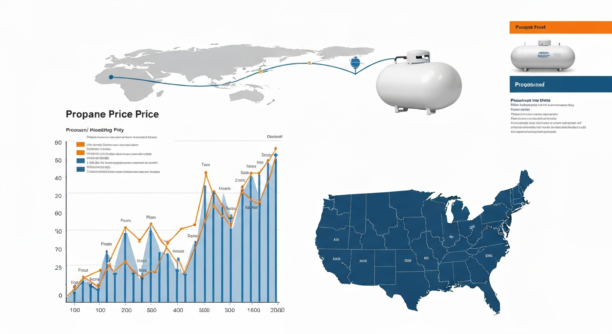
The long-term outlook for propane supply remains favorable thanks to strong domestic production and abundant natural gas liquids (NGL) output. However, propane retailers should not mistake national supply stability for uniform pricing. Regional transportation costs, storage availability, weather patterns, and local competition continue to create significant differences in wholesale and retail propane markets across the country.
Strong Production Continues to Support the Market
For more than a decade, U.S. propane production has benefited from growth in shale oil and natural gas development. As producers extract natural gas liquids from major basins across the country, propane remains one of the most abundant energy products available to domestic consumers.
Industry forecasts suggest that production levels should remain strong well into the next decade, helping prevent the severe supply shortages that once created significant market disruptions. For propane marketers, that generally translates into a more predictable supply environment and greater confidence when planning seasonal purchasing strategies. The challenge is that abundant supply does not always guarantee stable local pricing.
High Inventories Don’t Tell the Whole Story
National inventory figures often make headlines, but they rarely tell the complete story for local propane businesses. Even when inventories are well above historical averages, regional bottlenecks can create pricing pressure. Transportation constraints, rail availability, pipeline maintenance, terminal congestion, and weather events can all affect local markets regardless of overall national supply levels.
A marketer in the Midwest may experience entirely different market conditions than a retailer in New England or the Pacific Northwest, even when both are buying into the same national supply environment. This disconnect between national inventory levels and local market realities has become increasingly common as export markets continue to play a larger role in balancing U.S. propane production.
Why Regional Price Differences Persist
While propane is produced and traded within a national market, retail prices are ultimately determined by local economics. Transportation remains one of the biggest factors. Moving propane from major production and storage hubs to distant markets adds costs that can vary significantly from region to region. States with limited storage infrastructure or fewer supply options often experience greater price volatility than areas located near major distribution centers.
Seasonal demand patterns also play a role. A colder-than-normal winter in one region can tighten local supplies even when national inventories remain healthy. Likewise, agricultural demand, crop-drying activity, and industrial consumption can create localized market pressures that are not reflected in broader supply reports. For propane retailers, understanding these regional influences is often more valuable than focusing solely on national market trends.
Customer Education Remains Important
Periods of stable supply often create opportunities to strengthen customer relationships through education and transparency. One common source of customer confusion remains the industry’s 80% fill guideline. Some customers mistakenly assume they are being charged for unused tank capacity when deliveries stop before the tank appears full.
In reality, the 80% fill level is a safety requirement designed to allow room for propane expansion as temperatures change. Taking time to explain these safety standards can help build trust and reduce service-related questions during busy seasons. Simple conversations about supply conditions, pricing factors, and safety practices often go further in building customer loyalty than discounting alone.
What Propane Businesses Should Watch
As the industry moves through the remainder of the year, retailers should continue monitoring inventory trends, export activity, transportation availability, and regional weather forecasts. While current production levels suggest a healthy supply outlook, localized market conditions can change quickly. Companies that combine national market intelligence with a strong understanding of their local supply chain are typically better positioned to manage margins, maintain competitive pricing, and respond effectively to changing conditions.
Looking Ahead
The propane market appears well supplied, and domestic production continues to provide a solid foundation for the industry. Yet successful propane businesses know that national trends are only part of the story. Regional market dynamics will continue to shape pricing, customer expectations, and purchasing decisions.
Companies that stay informed, communicate clearly with customers, and maintain flexibility in their supply strategy will be in the strongest position to navigate whatever the market delivers next. In today’s propane sector, stable supply is valuable – but understanding local market conditions is what often separates good operators from great ones.